Pompous logo
www . DanYEY . co . uk
Archive : New York & Boston

Another winter trip to New York (previously, previously) allowed me to see more cities in New England.

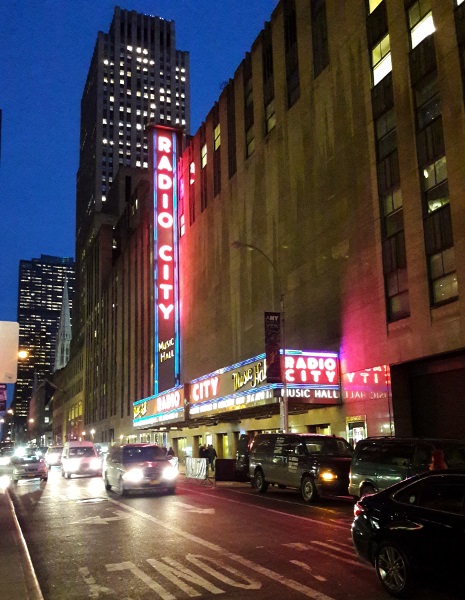
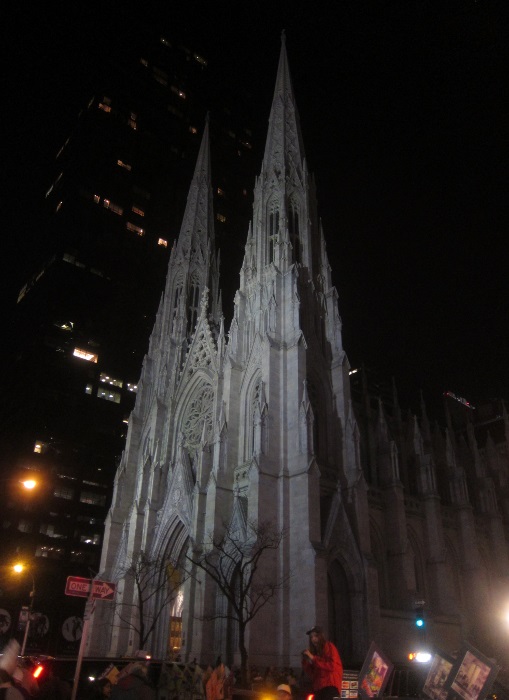
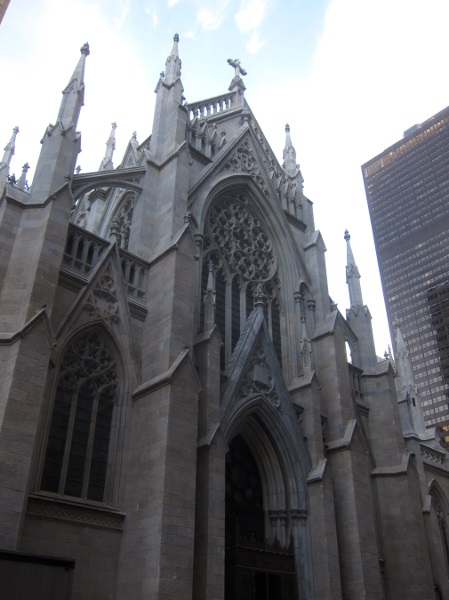
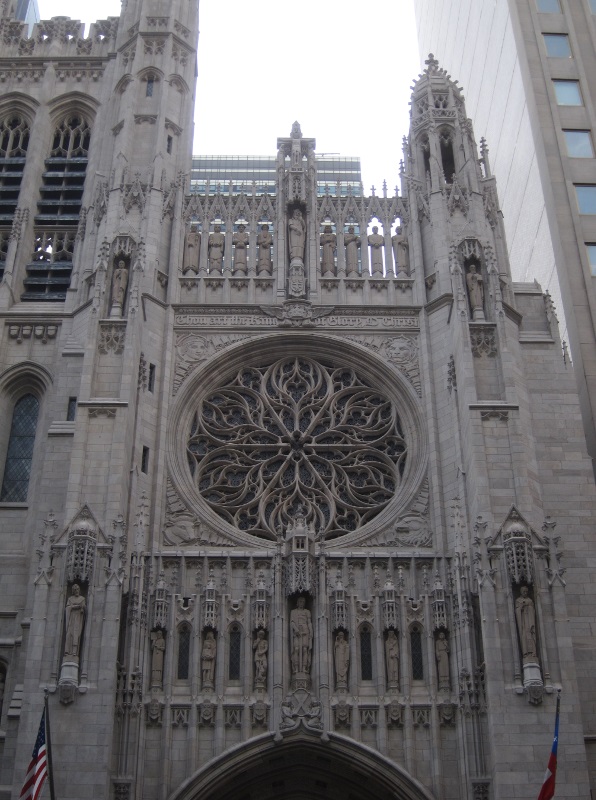
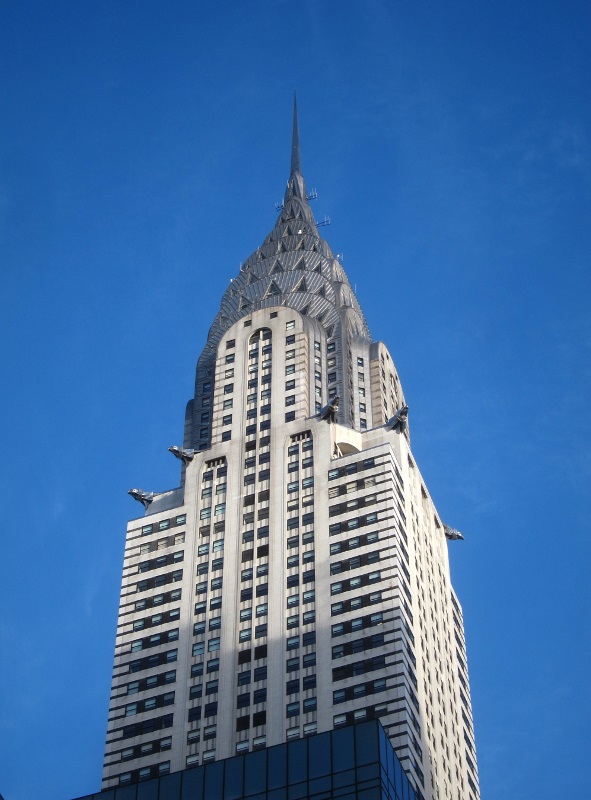
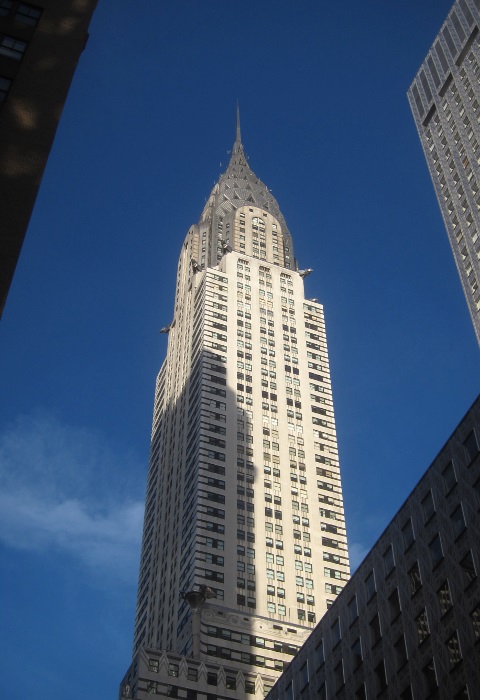
The Chrysler Building, the queen of Manhattan. Radio City Music Hall. St. Patrick's Cathedral.
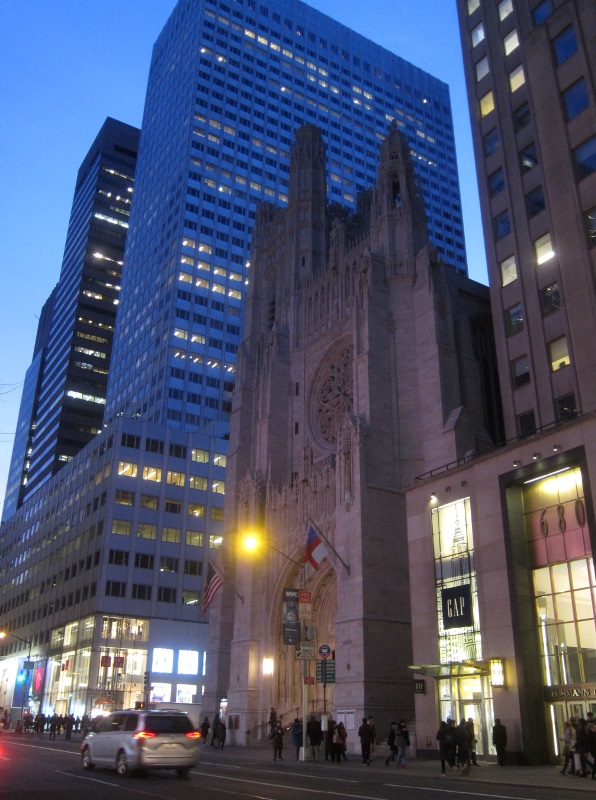
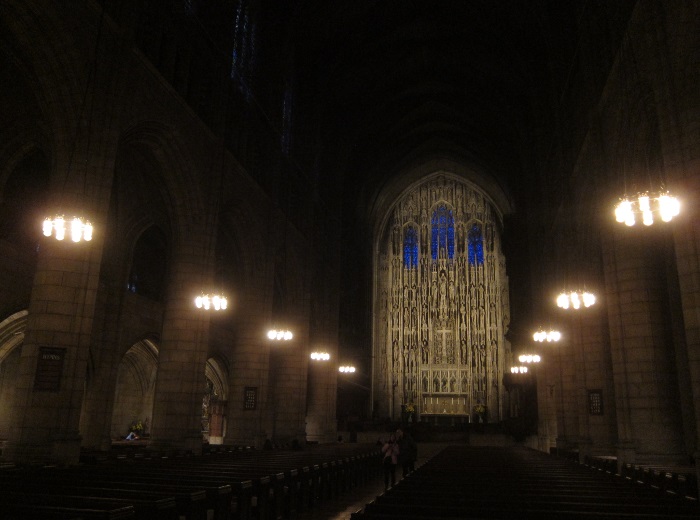
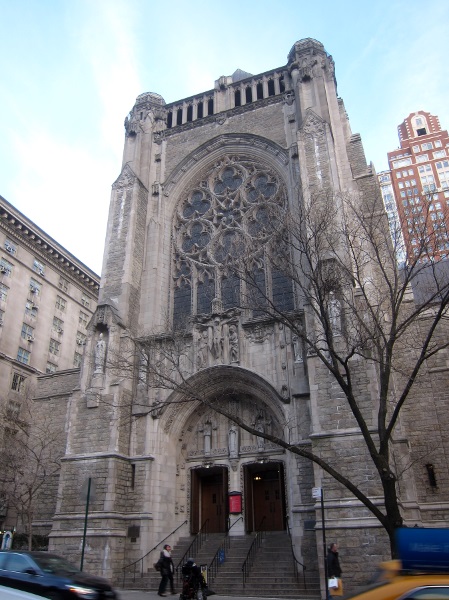
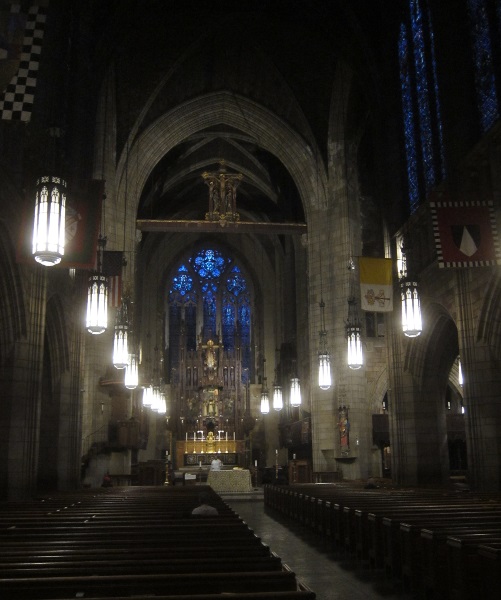
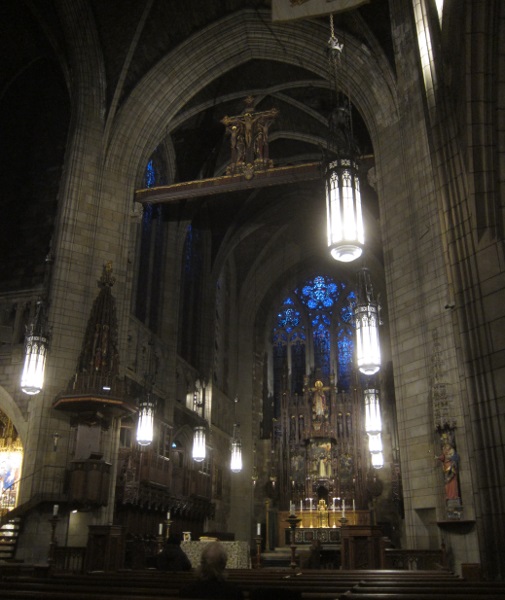
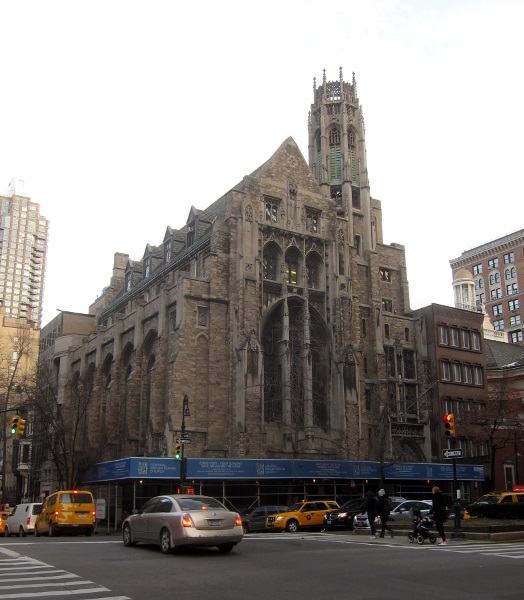
St. Patrick's Cathedral. St. Thomas' Church (1914). St. Thomas' Church.
St. Thomas' Church. St. Thomas' Church. St. Thomas' Church.
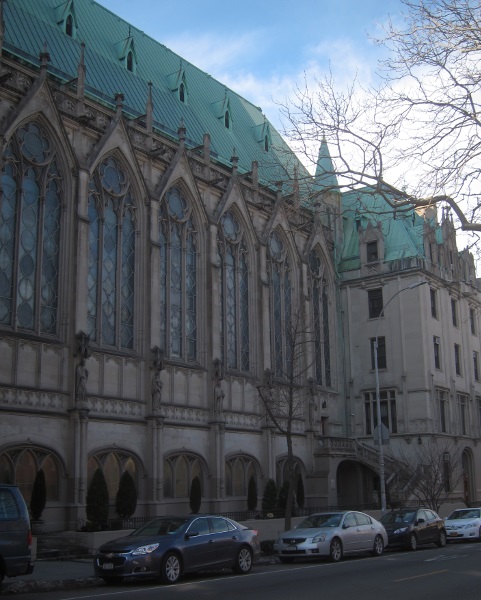
One of the greatest churches in Manhattan is St. Thomas'. What appears today to be a masterful synthesis of French flamboyant and English perpendicular gothic in fact arose from tensions between the architects working in partnership, Ralph Adams Cram & Bertram Goodhue. Cram's design had flamboyant elements, while Goodhue's was perpendicular. The building we have is more French on the outside, with a very English reredos in a gloomy interior that could only make sense in Gotham City. After their work at West Point and Princeton (below), Cram and Goodhue went their separate ways.
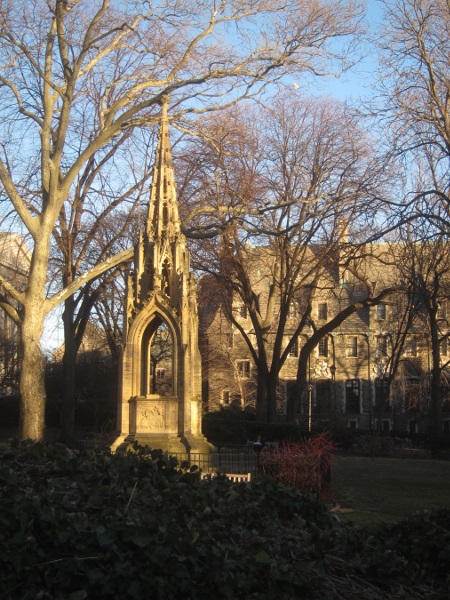
New York Cathedral. Monument beside the cathedral. Apse of the cathedral.
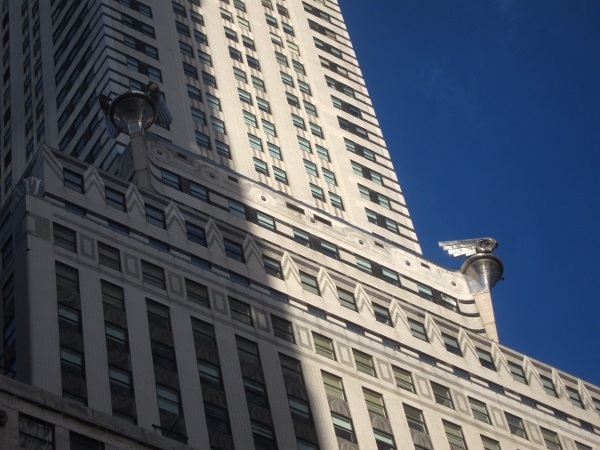
The Chrysler Building. The Chrysler Building. The Chrysler Building.
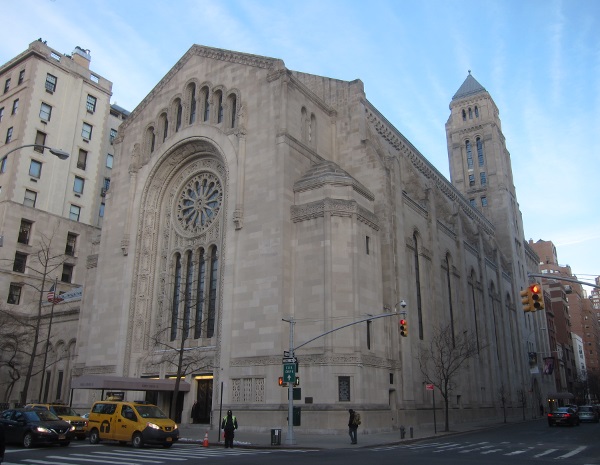
The Plaza Hotel and the Sherman Memorial. Temple Emanuel. The Fletcher Mansion.
St. Vincent Ferrer (1918, Bertram Goodhue). St. Vincent Ferrer. St. Vincent Ferrer.
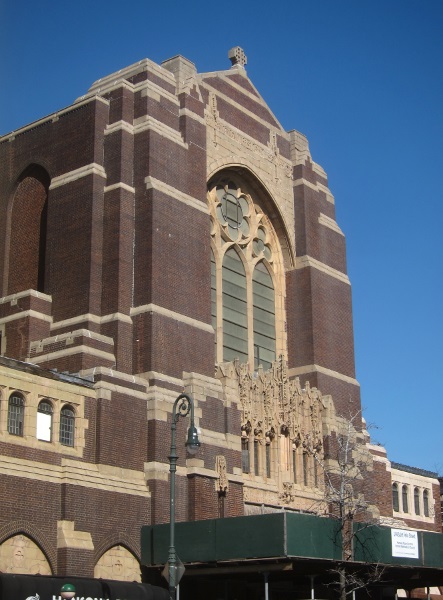
Holy Trinity (Anglican, 1899). Park Avenue Church (1911, Cram). Central Presbyterian Church (1922, Allen & Collens).
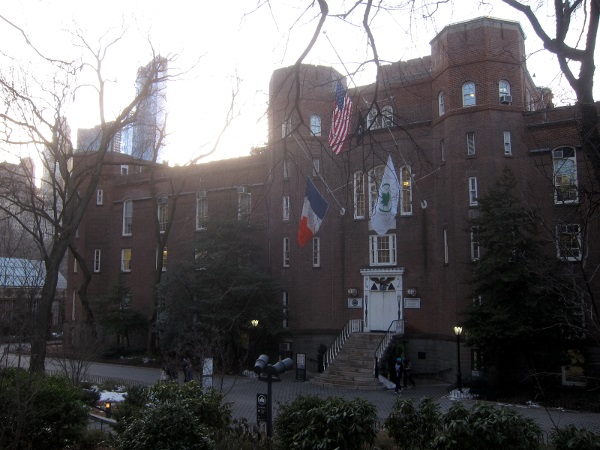
Holy Trinity. The Arsenal in Central Park (Parks & Rec). The Morgan Library.
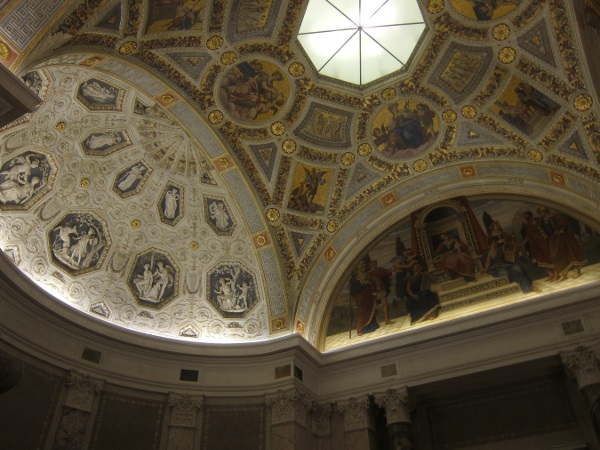
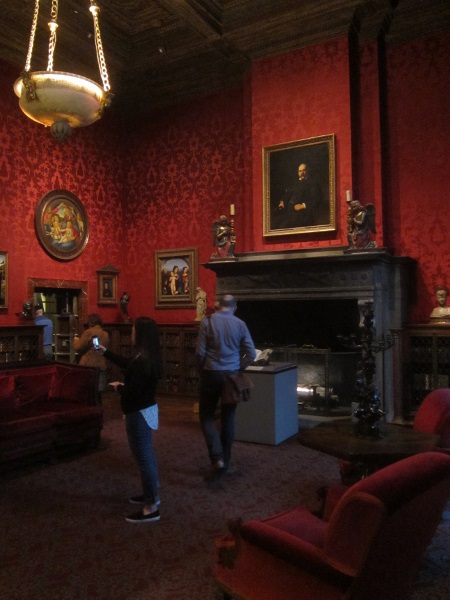
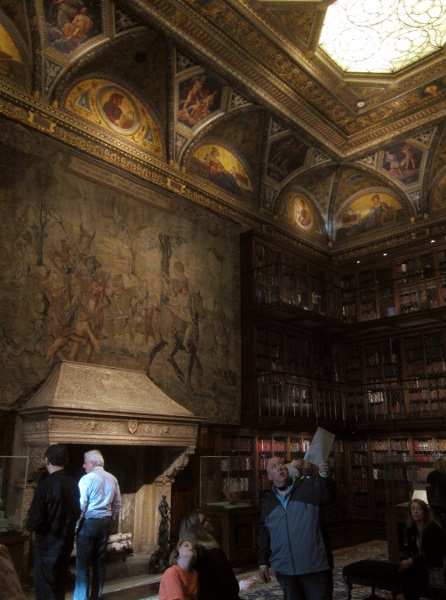
The Morgan Library. The Morgan Library. The Morgan Library.
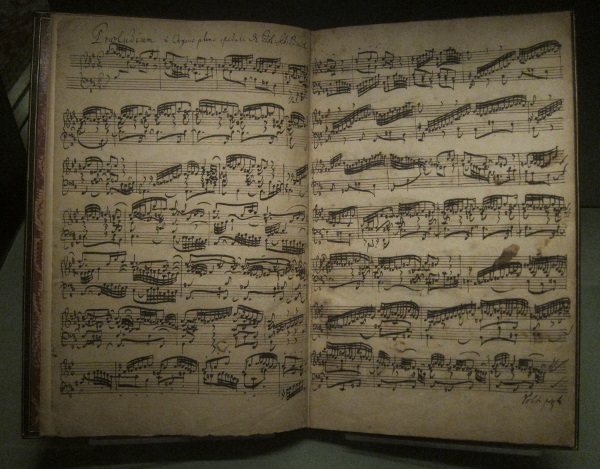
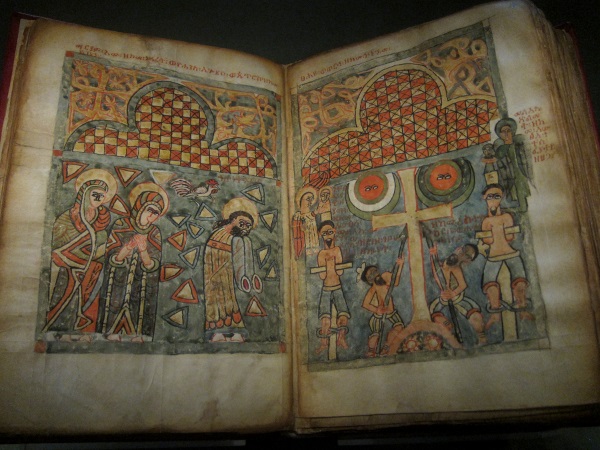
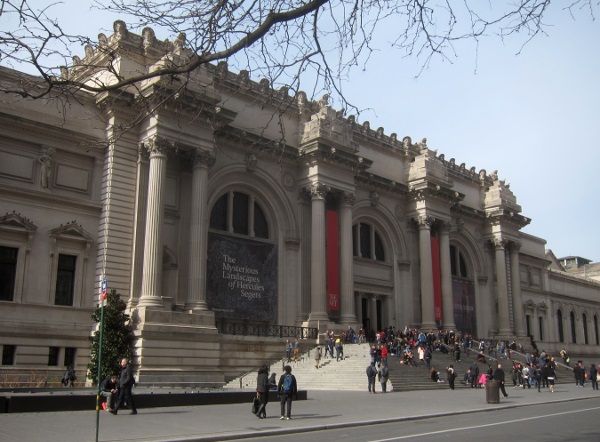
Prelude And Fugue In B Minor (BWV 544). Zir Ganela Gospels. The Met.
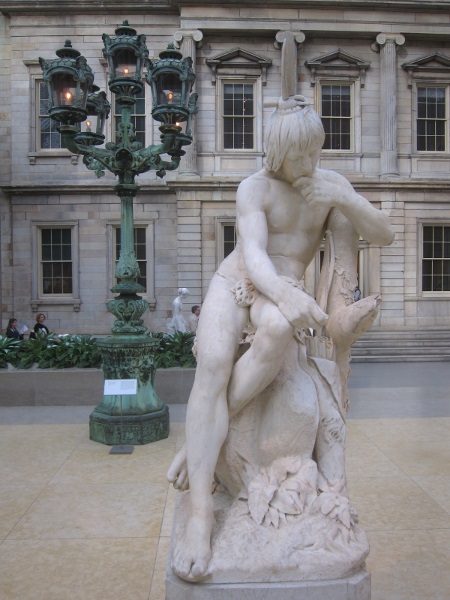
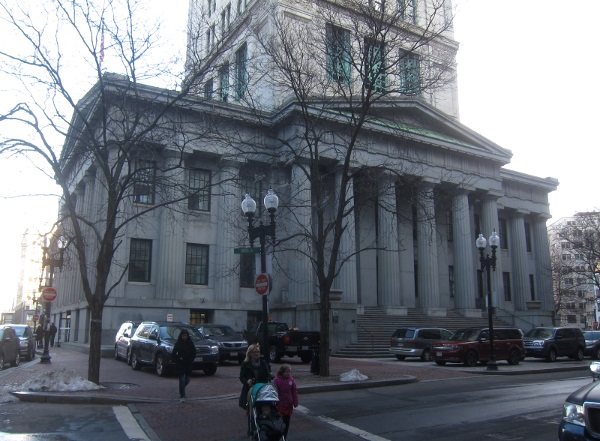
The Met. The Met. Hiawatha, in front of the façade of the Second Branch Bank of the United States.
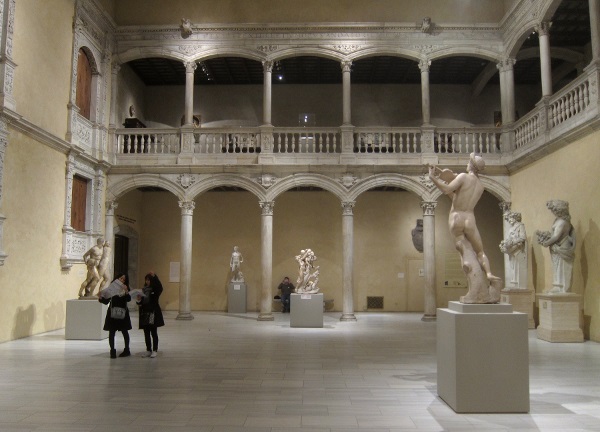
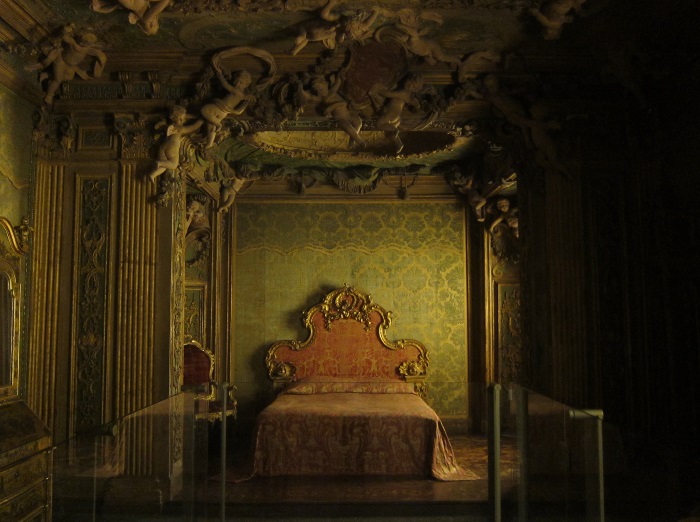
Medieval sculpture hall at the Met. Castle of Velez Blanco. Palazzo Sagredo bedroom.
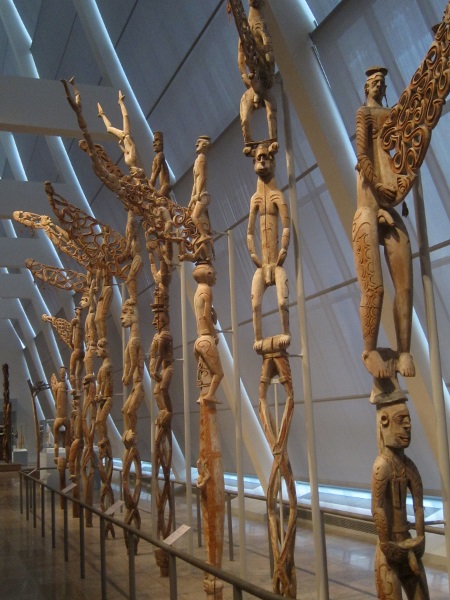
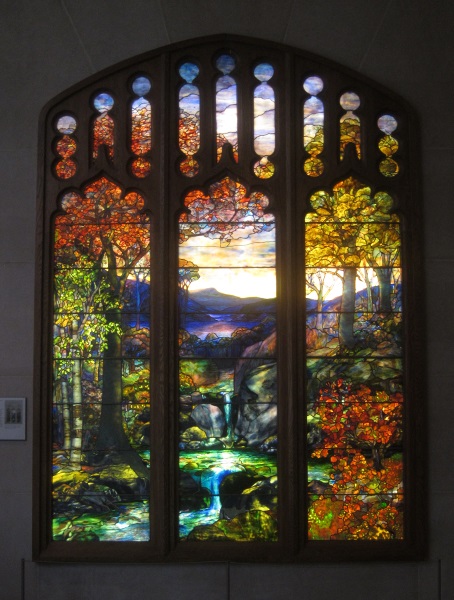
Bis poles from Papua New Guinea. Relic of the tooth of Mary Magdalene. Tiffany window.
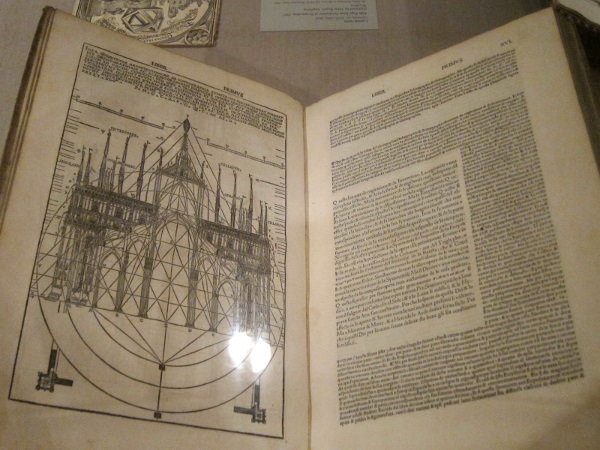
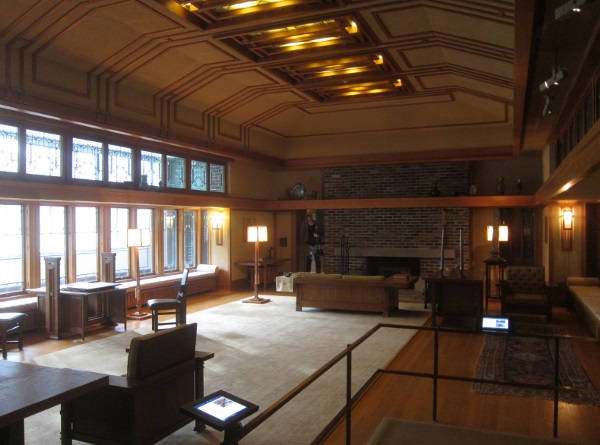
Milan Cathedral in Cesare Cesariano's translation of Vitruvius. Ceiling from a Jain Temple in Gujarat. Room from Frank Lloyd Wright's Little house (1914).
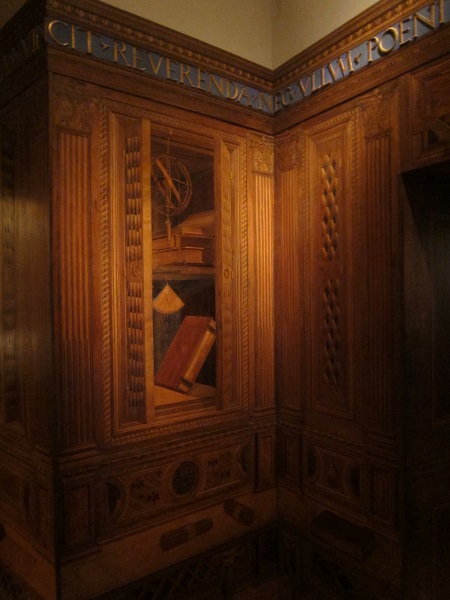
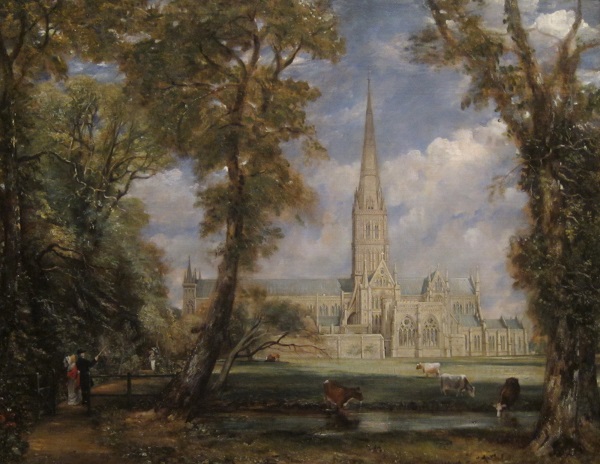
Studiolo from the Ducal Palace in Gubbio. The Damascus Room. Constable's view of Salisbury Cathedral.
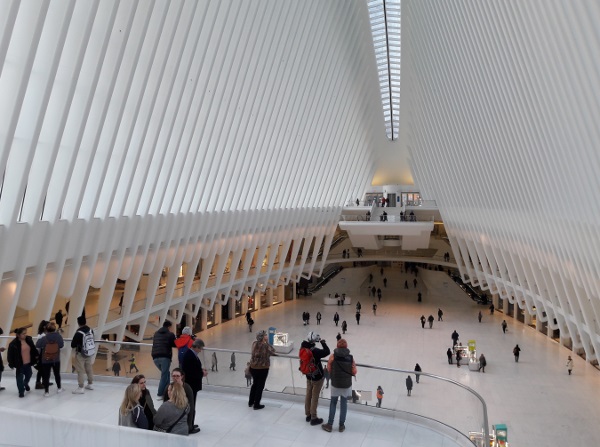
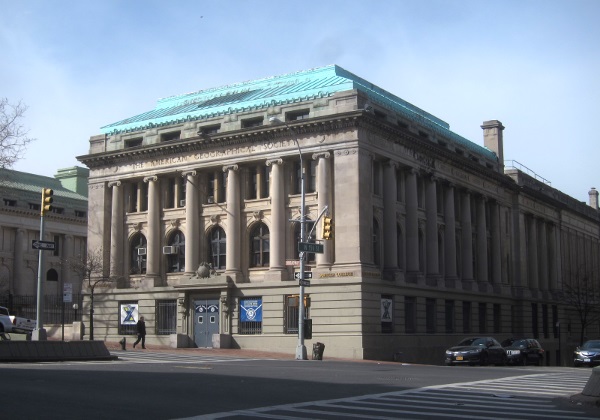
WTC Station (Calatrava). WTC Station. American Geographical Society at Audubon Terrace.
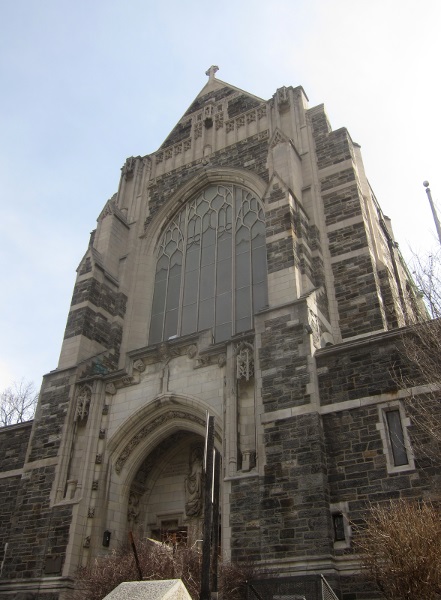
WTC Station. Church Of The Intercession (1915, Goodhue). Church Of The Intercession.
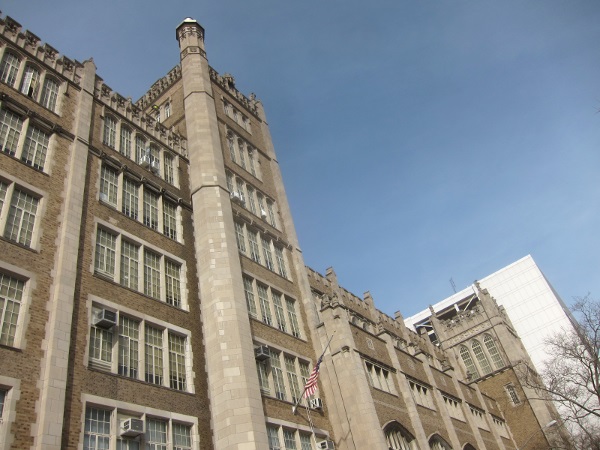
Dime Savings Bank, Brooklyn. Randolf Campus High School. Church Of The Intercession.
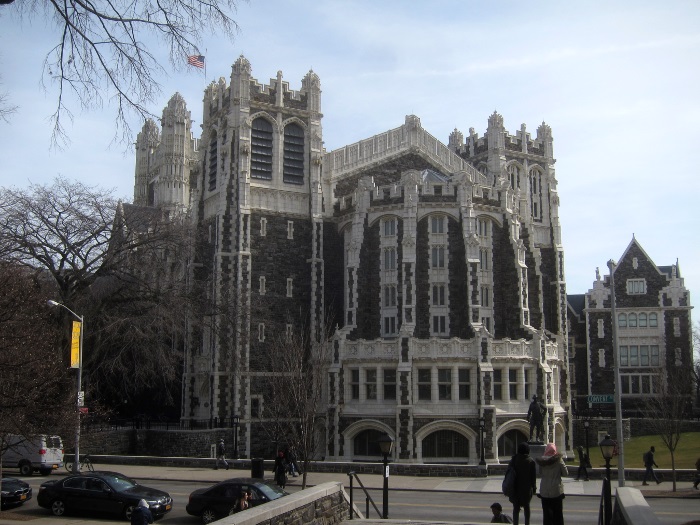
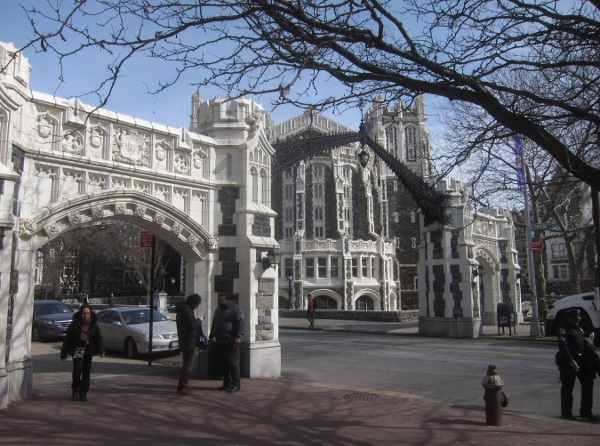
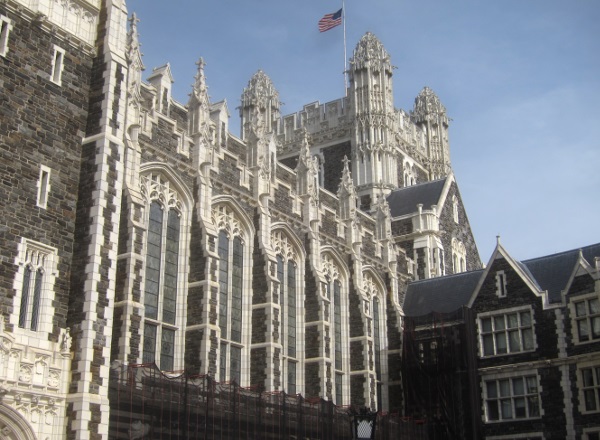
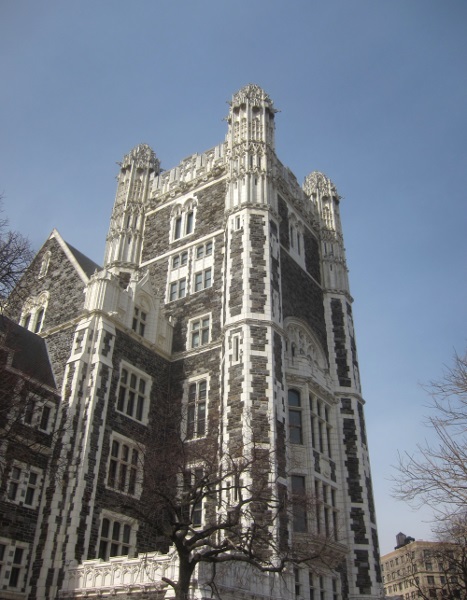
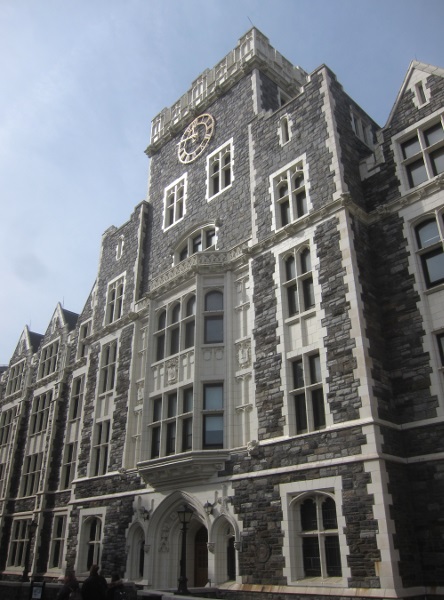
Shepard Hall, The City College Of New York. Shepard Hall (1906). Shepard Hall - strong hints of Wrexham.
Shepard Hall. The Williamsburgh Savings Bank Tower. Townsend Harris Hall.
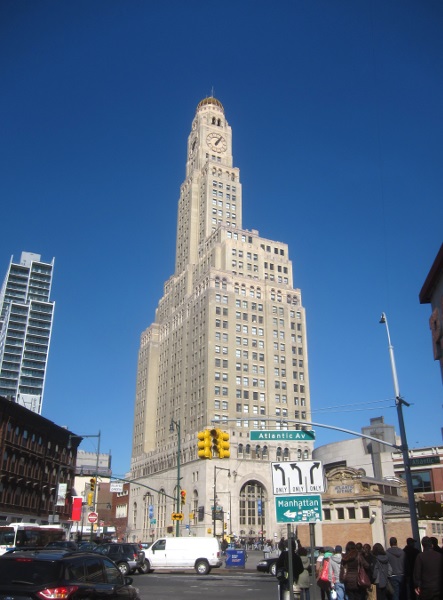
Fort Greene Church. The Williamsburgh Savings Bank Tower. Queen Of All Saints Church.
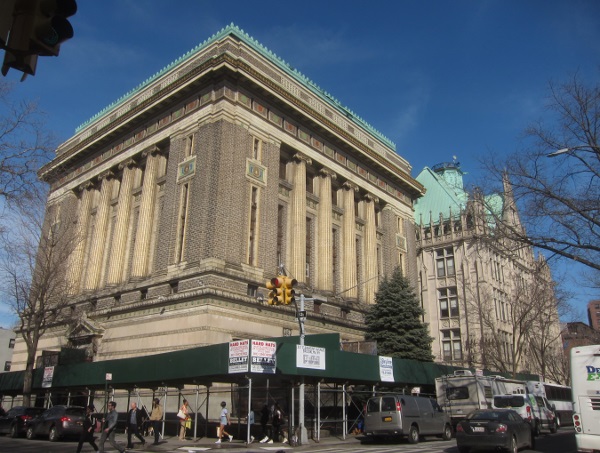
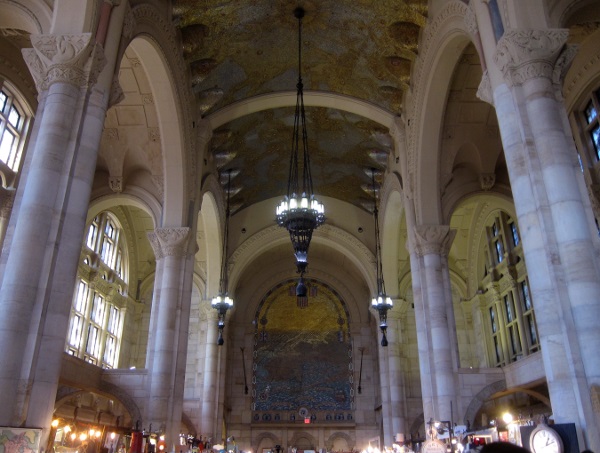
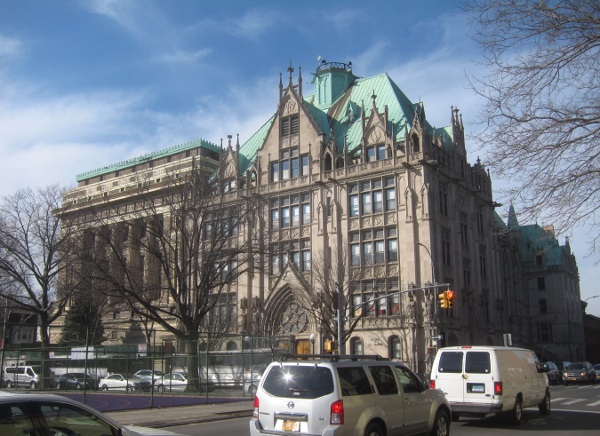
Masonic Temple, Brooklyn. The Williamsburgh Savings Bank Tower. Queen Of All Saints Church.
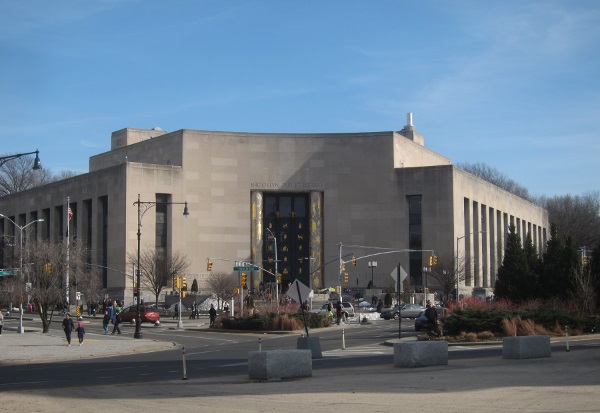
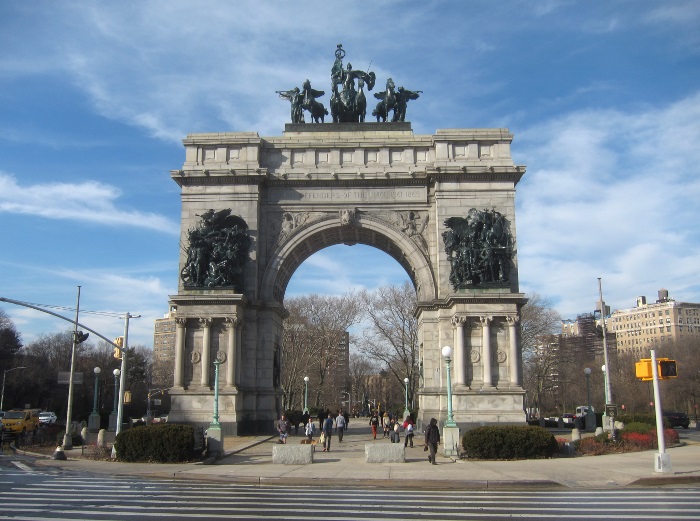
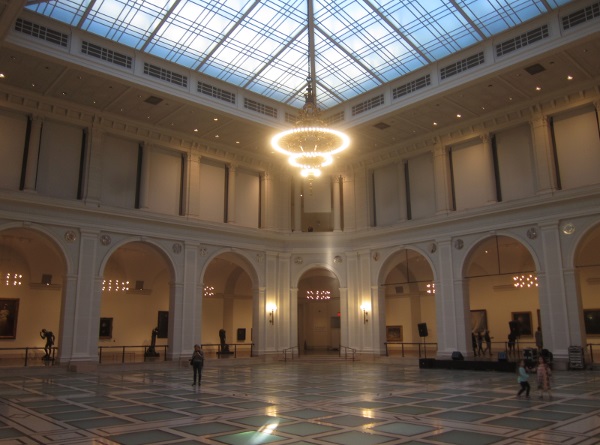
Brooklyn Public Library. Soldiers' and Sailors' Arch, Brooklyn. Brooklyn Museum.
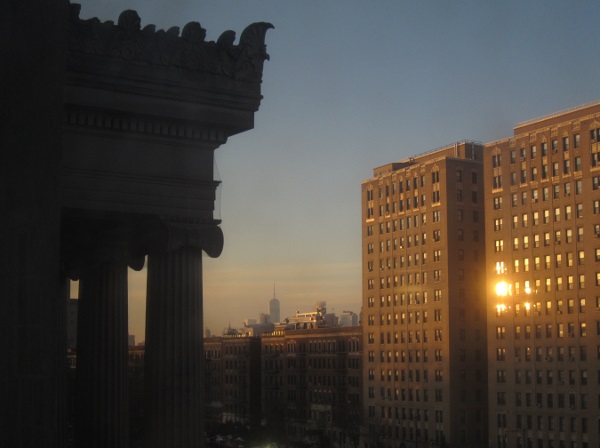
Brooklyn Museum. Brooklyn Museum. Unremarkable perhaps, but for me this photograph captures something quintessentially New York.
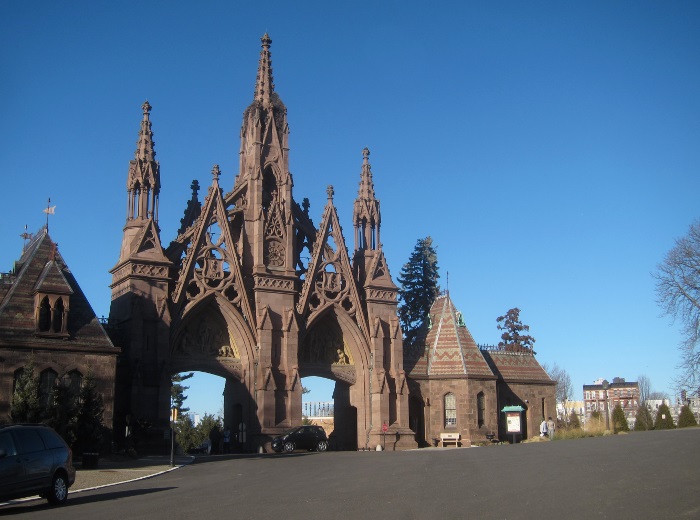
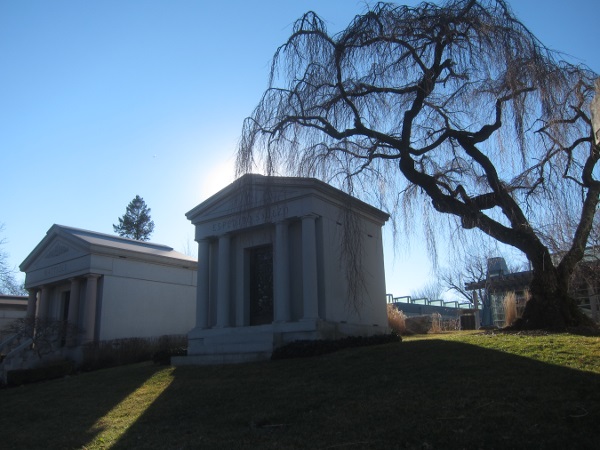
Greenwood Cemetery gatehouse (1863, Richard Upjohn). Greenwood Cemetery. Greenwood Cemetery.
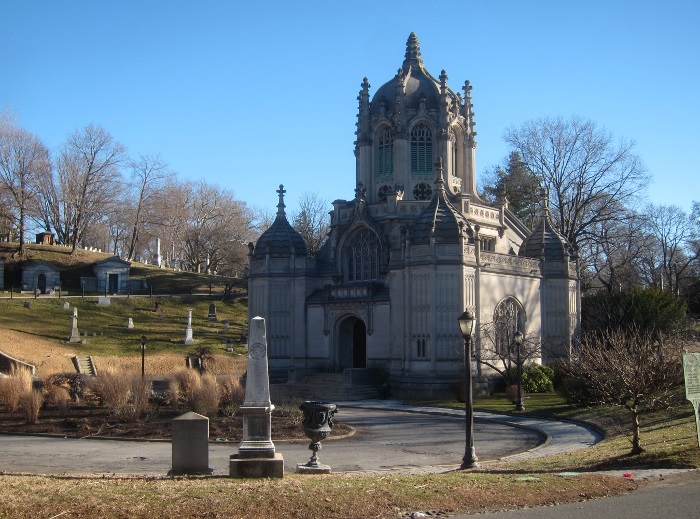
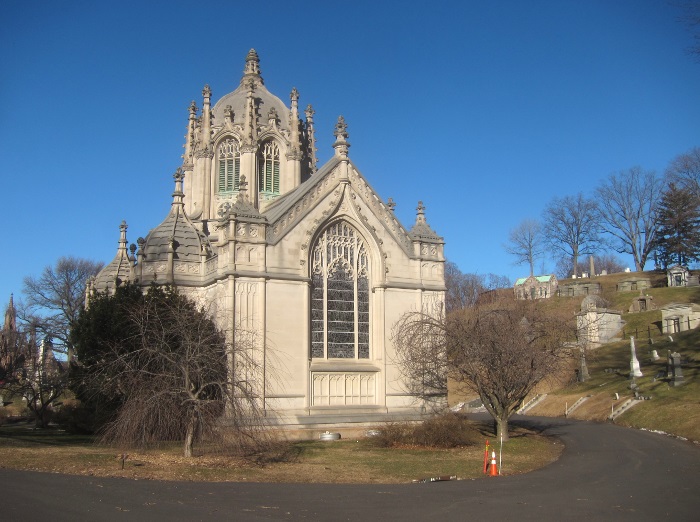
Greenwood Cemetery chapel (1913, Warren & Wetmore). Greenwood Cemetery chapel - echoes of Christ Church, Oxford. View of Manhattan from Greenwood.

Boston will forever be linked in the English imagination with the Boston Tea Party, which sparked punitive legislation from Parliament (including revoking the Massachusetts charter), which in turn led to the Revolutionary War and the independence of the thirteen colonies declared at Philadelphia in 1776.
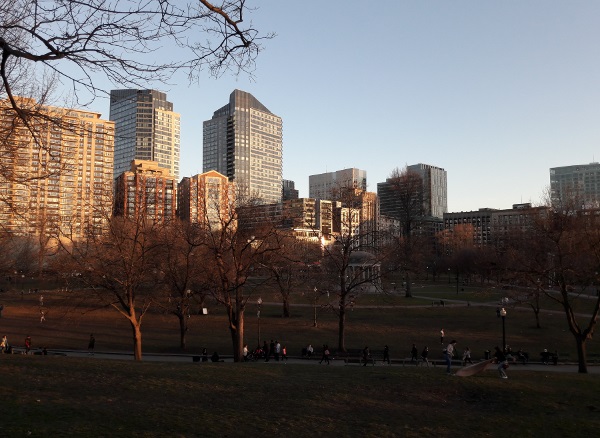
Boston Common.
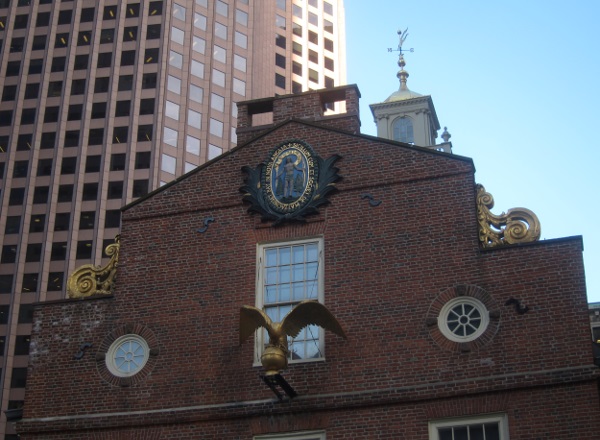
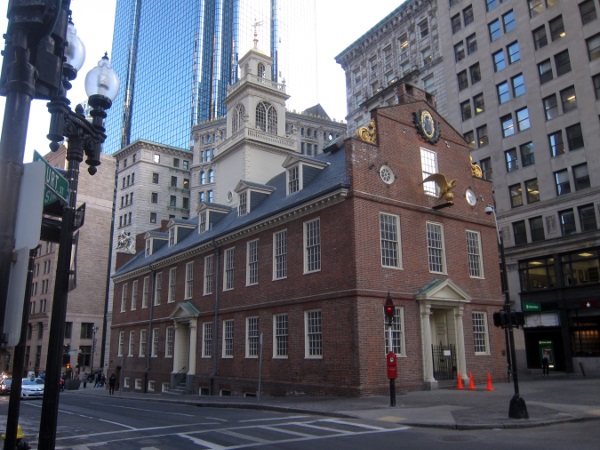
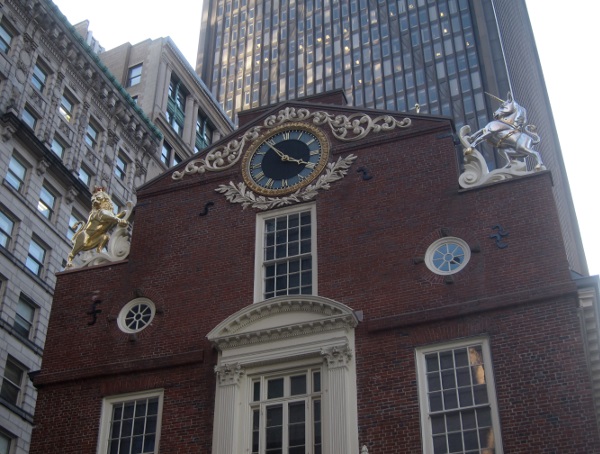
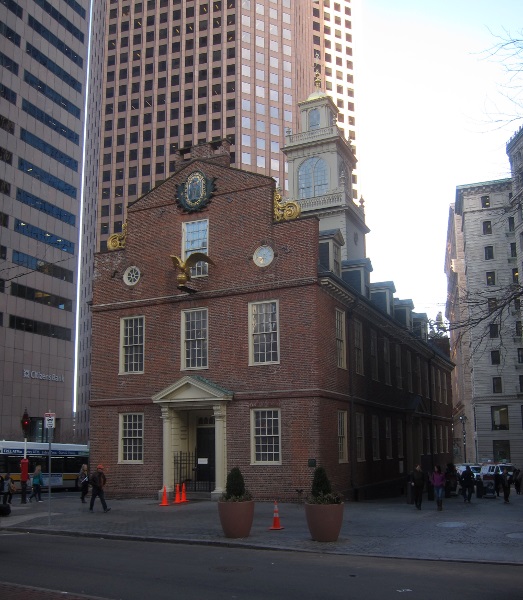
The Old State House (1713). The Old State House. The Old State House.
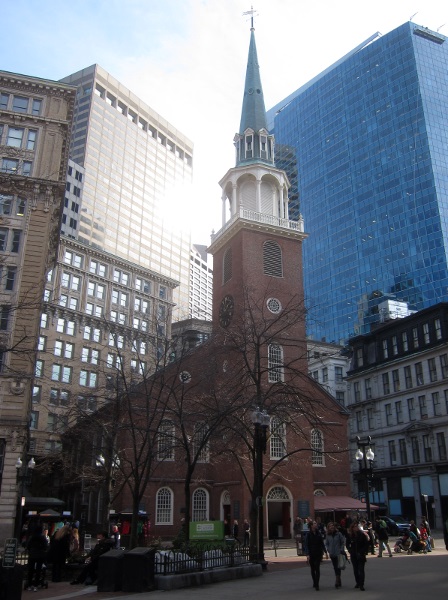
The Old State House. The Old State House. The Old South Meeting House (Robert Twelves, 1729).
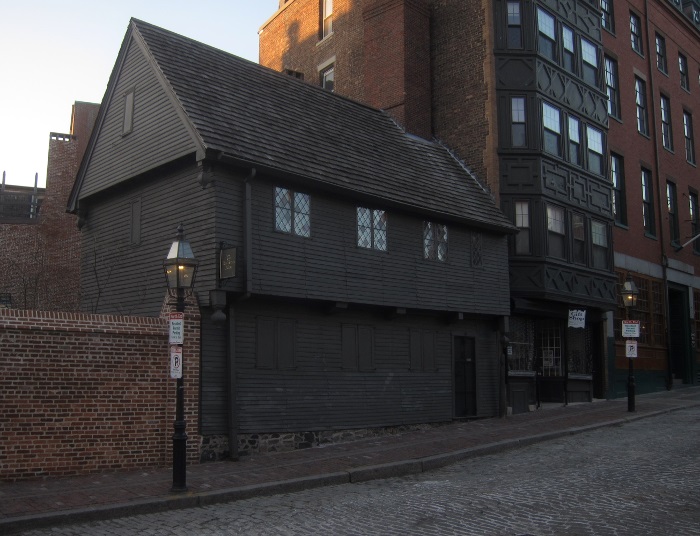
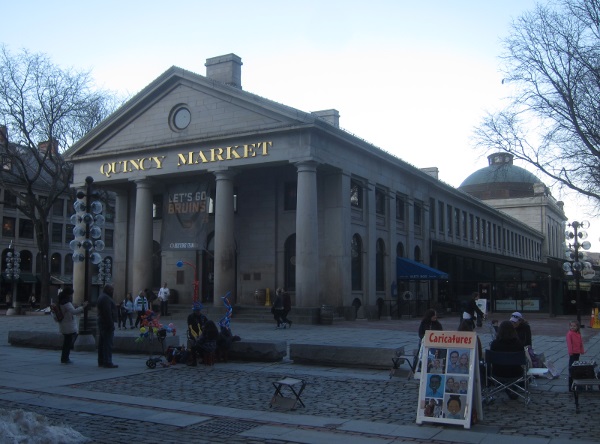
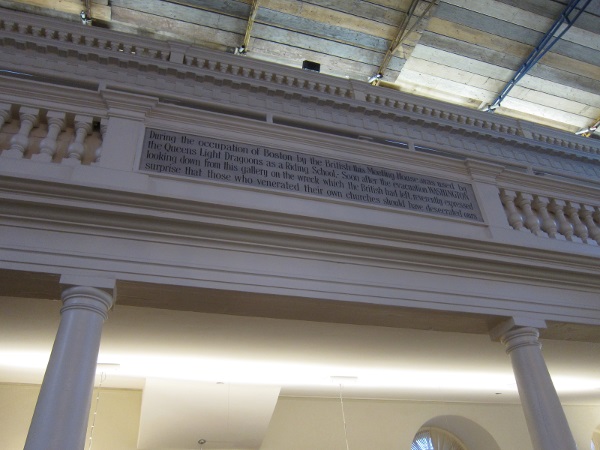
Paul Revere's house (1680). Quincy Market. Interior of the Old South Meeting House - where the Boston Tea Party started and horses were later kept by the British Army.
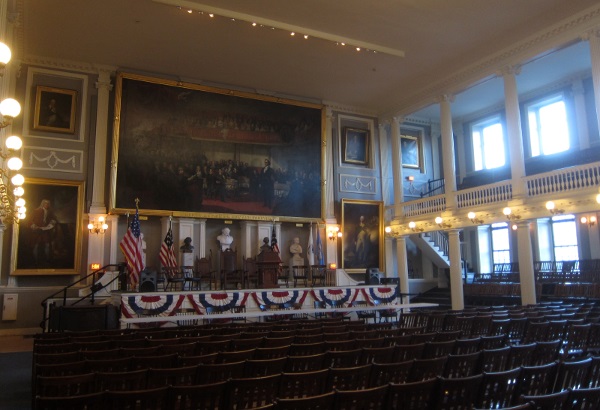
Faneuil Hall (1742 by Scotsman John Smibert). Faneuil Hall. Faneuil Hall.
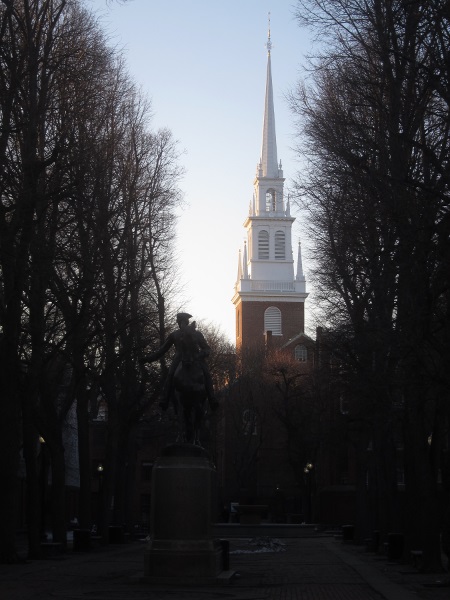
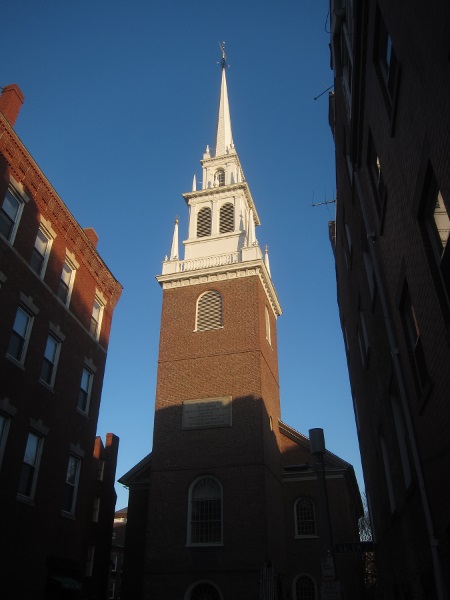
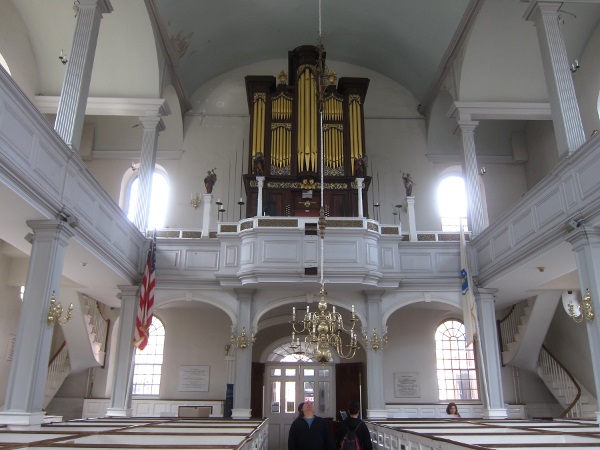
The Old North Church (1723). The Old North Church (1723). Statue of Paul Revere outside St. Stephen's.
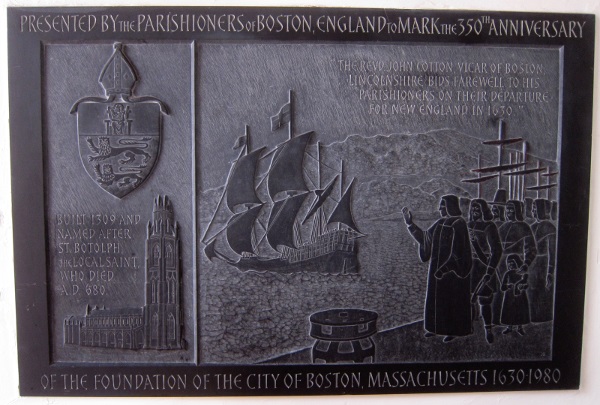
The Old North Church (1723). The Old North Church (1723). Boston (Massachusetts) was named after Boston (England) by Isaac Johnson.
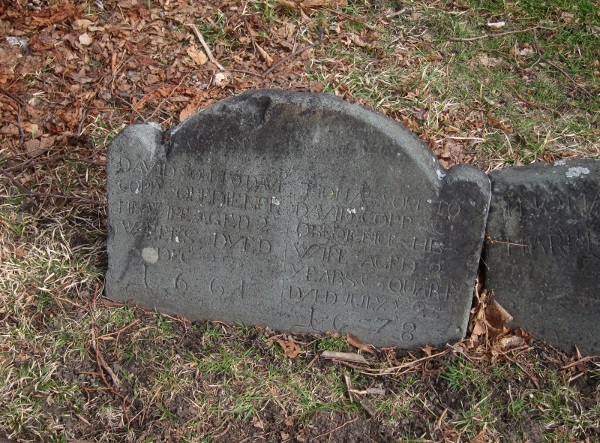
Plaque marking Paul Revere's placing of lanterns in the church tower to indicate arrival of the army before his famous ride. Copp family burials in Copp's Hill Burying Ground. Copp's Hill Burying Ground.
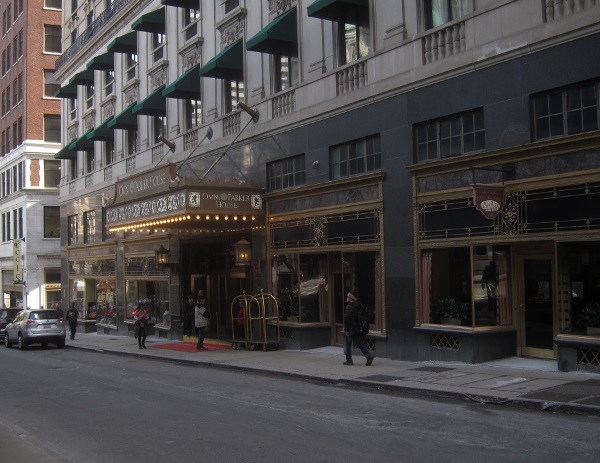
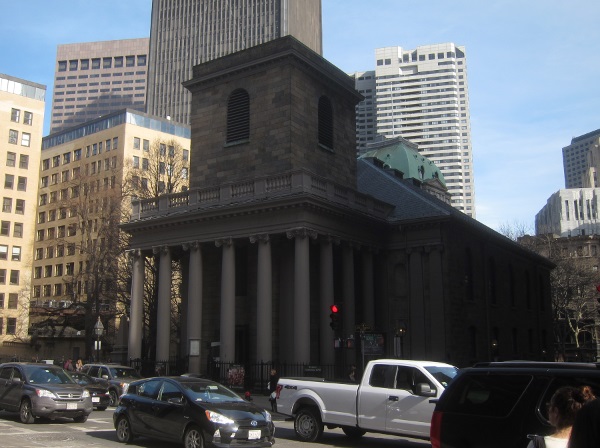
The Parker House hotel. King's Chapel, the first Anglican church in New England (1754, by Englishman Peter Harrison). King's Chapel.
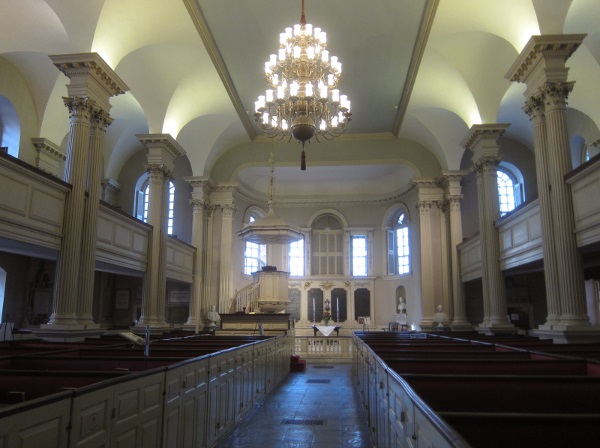
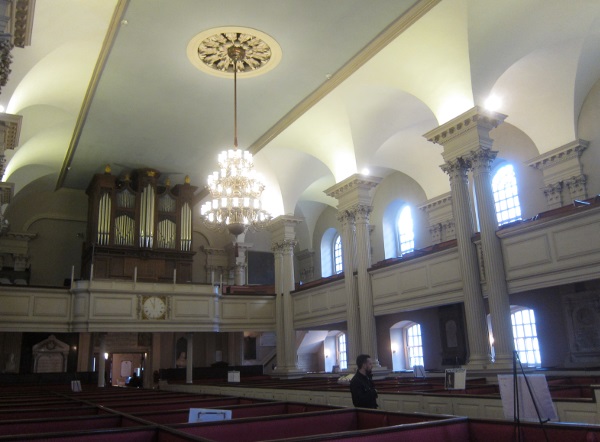
The governor's pew at King's Chapel. King's Chapel. King's Chapel.
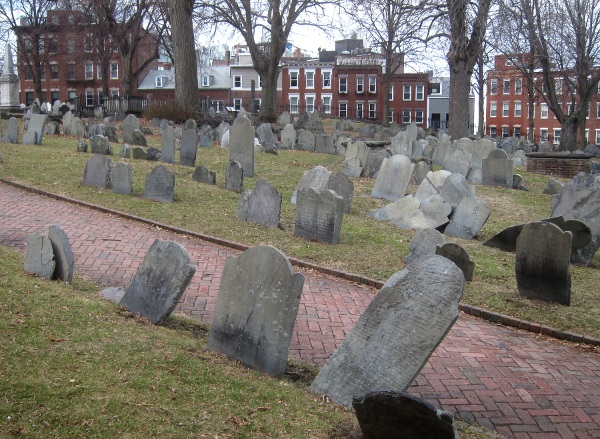
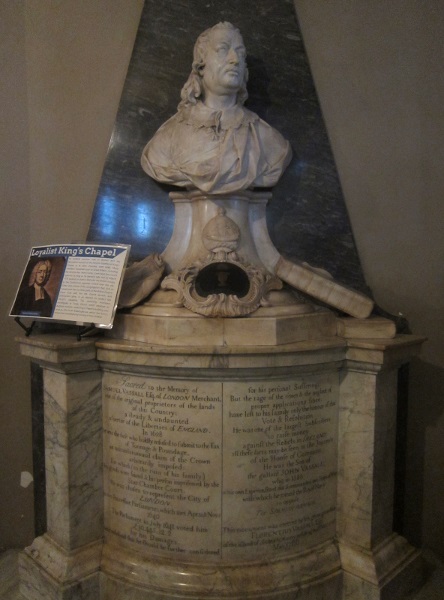
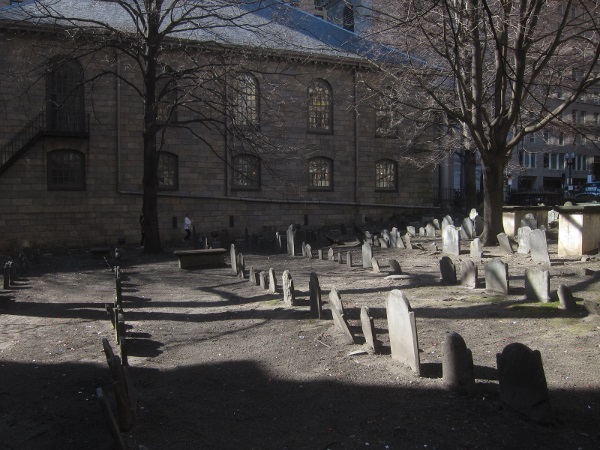
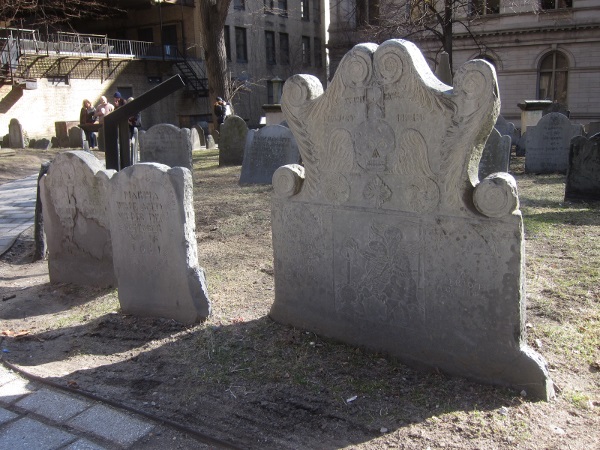
Samuel Vassall, a London merchant. King's Chapel Burying Ground. Grave of Joseph Tapping.
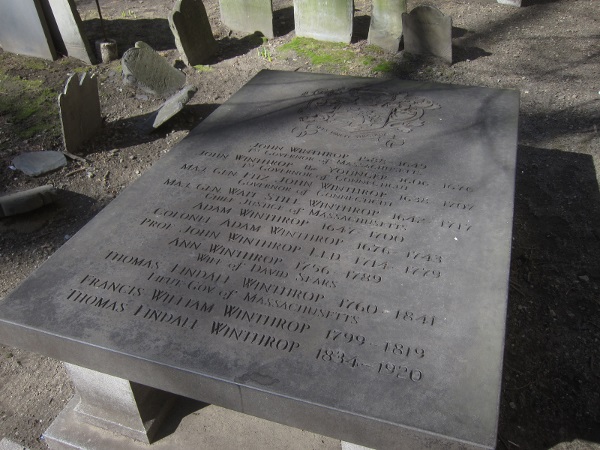
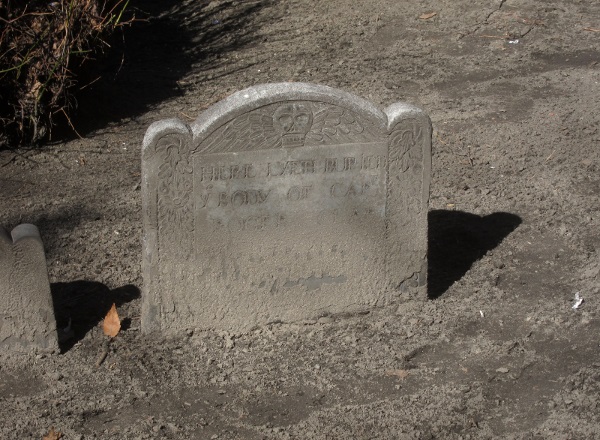
Tomb of John Winthrop (and family), first governor of Massachusetts (1588-1649). Grave of Captain Roger Clap of Exeter (1609-1690). Boston Cathedral.
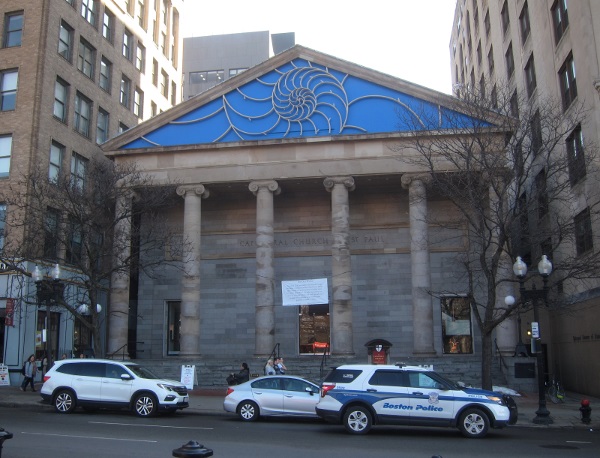
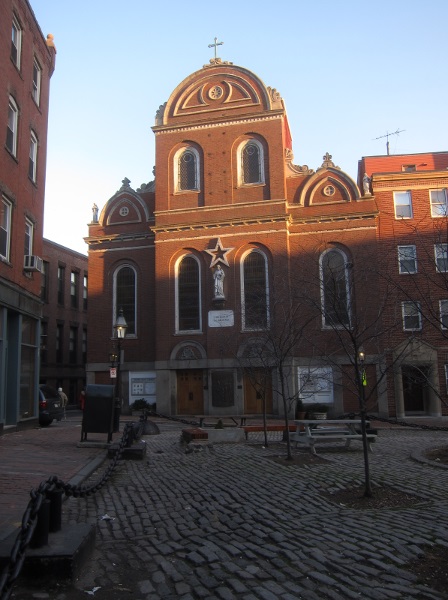
Italian Church Of The Sacred Heart. The Tunnel Traffic Administration Building a.k.a. Police Station No. One. Old City Hall.
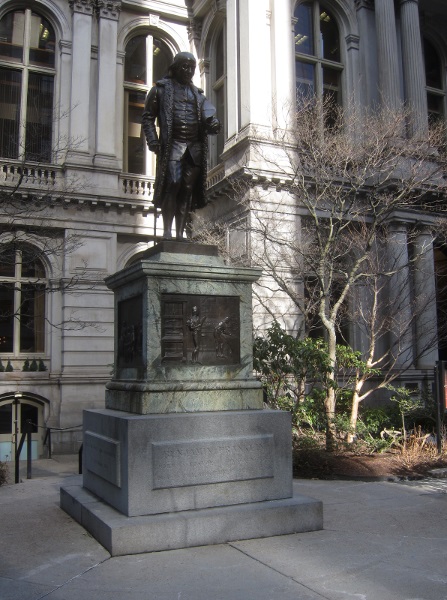
The Custom House. Park St. Church (1809). Statue of Benjamin Franklin.
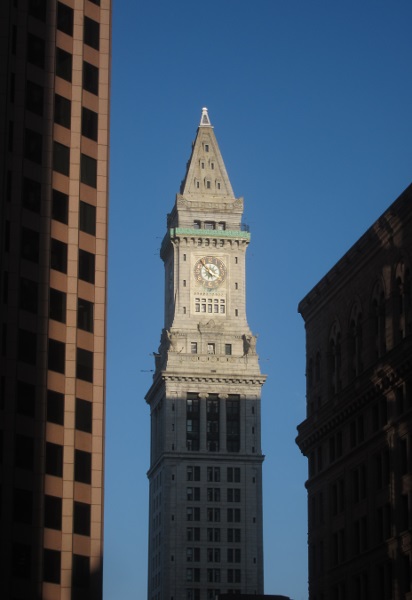
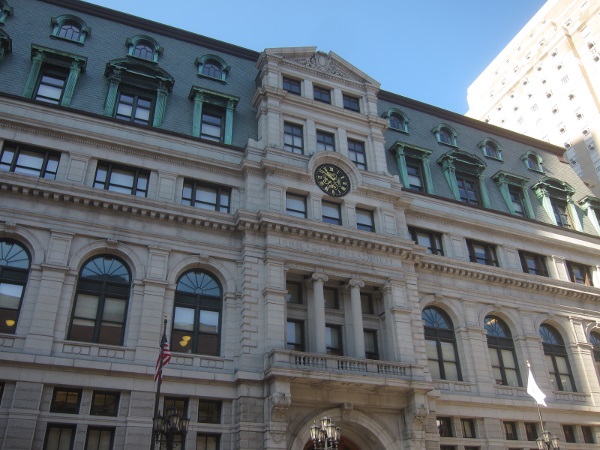
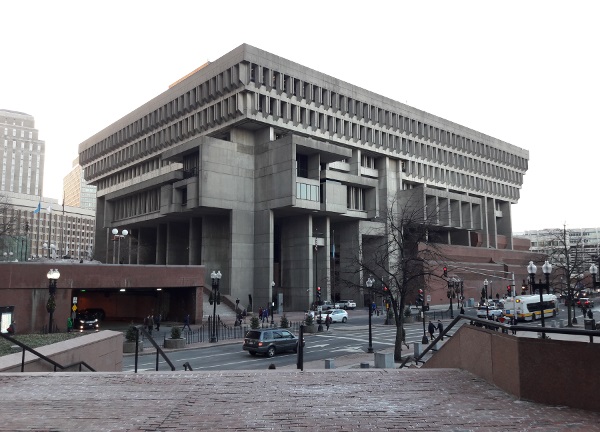
The Custom House (the tower was added later). The John Adams Courthouse (which I knew from Ally McBeal). New City Hall. If architecture is a language, then this building says 'fuck you, puny humans!'
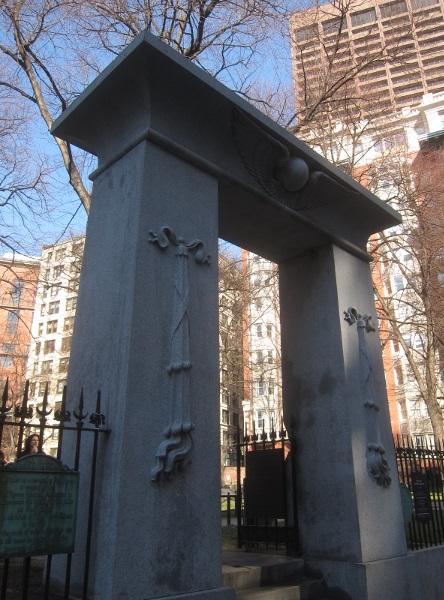
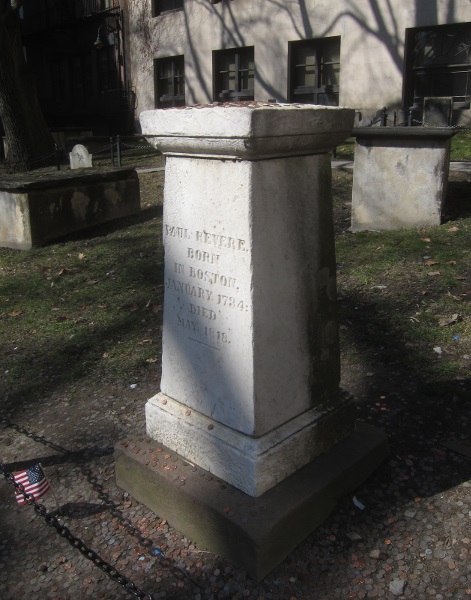
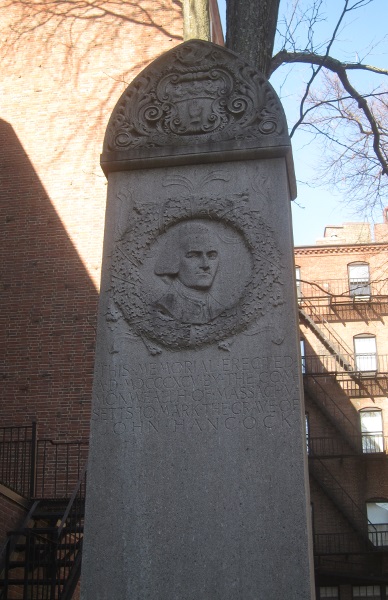
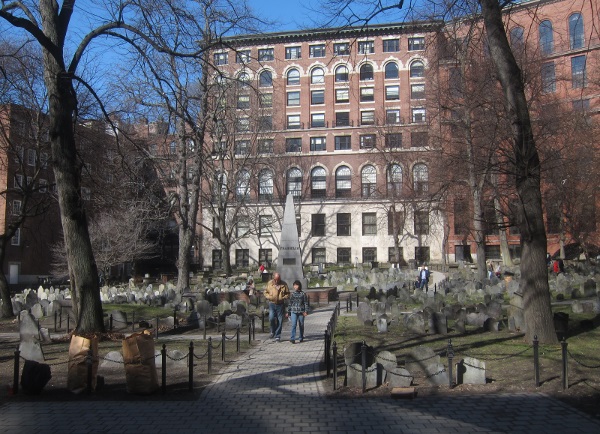
Gate of the Granary Burying Ground. Monument to Paul Revere. The grave of John Hancock, one of the Founding Fathers.
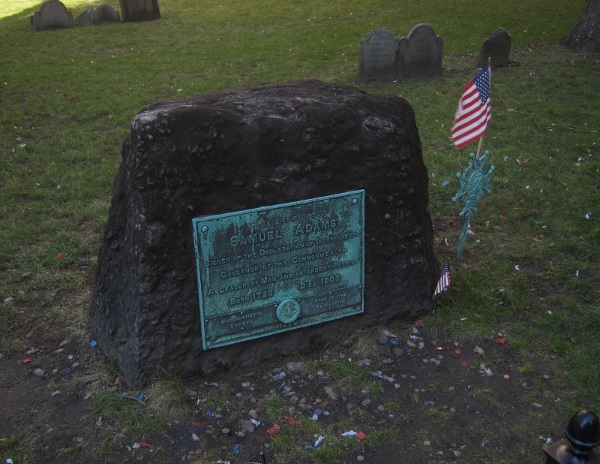
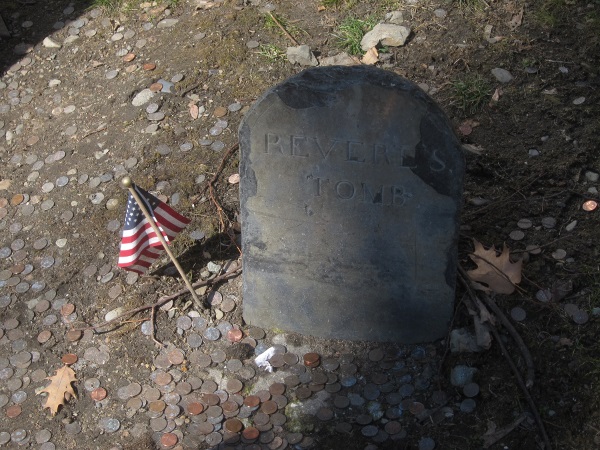
The grave of Samuel Adams, one of the Founding Fathers. Grave of Paul Revere. Granary Burying Ground.
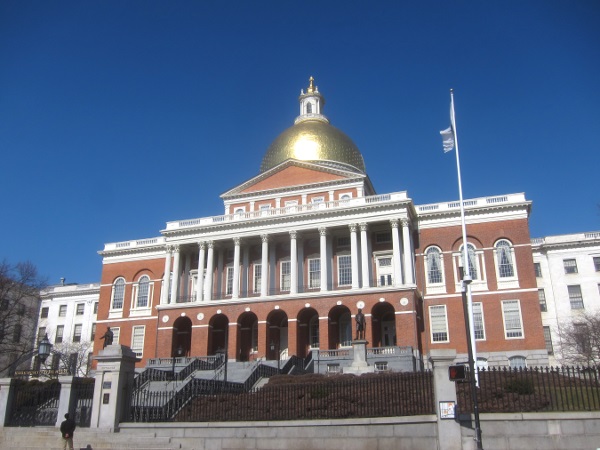
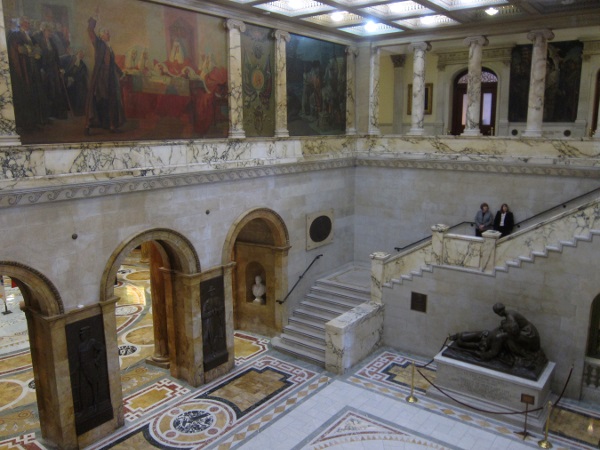
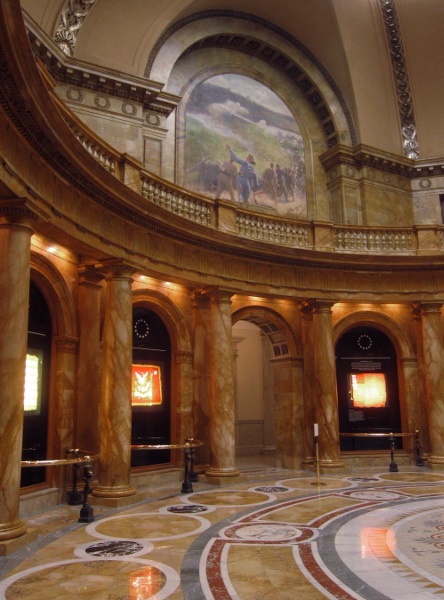
The Massachusetts State House. The Nurses' Hall in the State House. Rotunda in the State House.
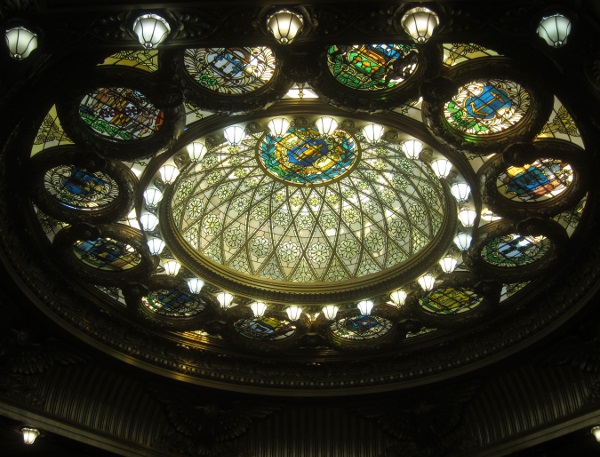
The Soldiers And Sailors Memorial. Rotunda in the State House. Rotunda in the State House.
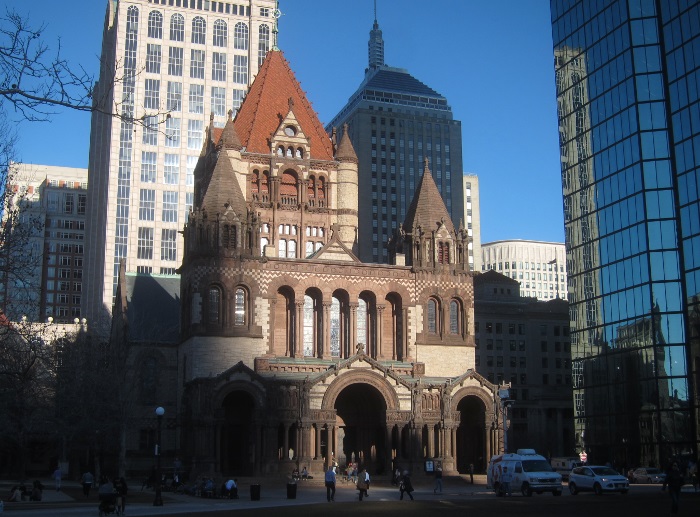
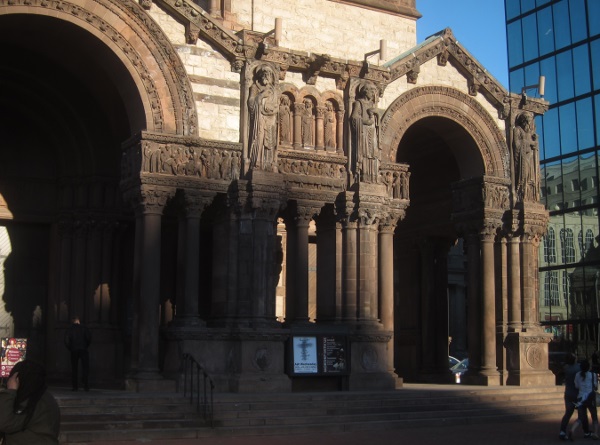
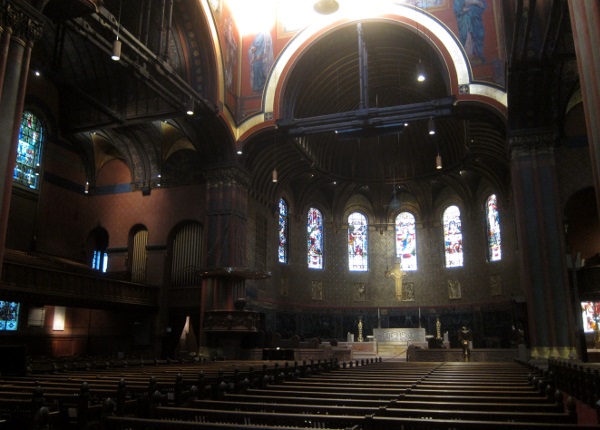
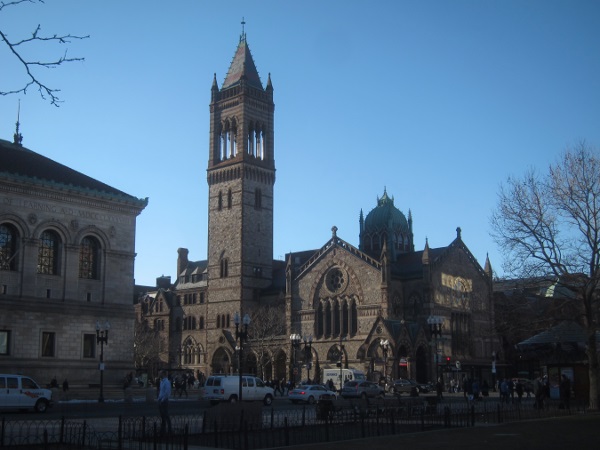
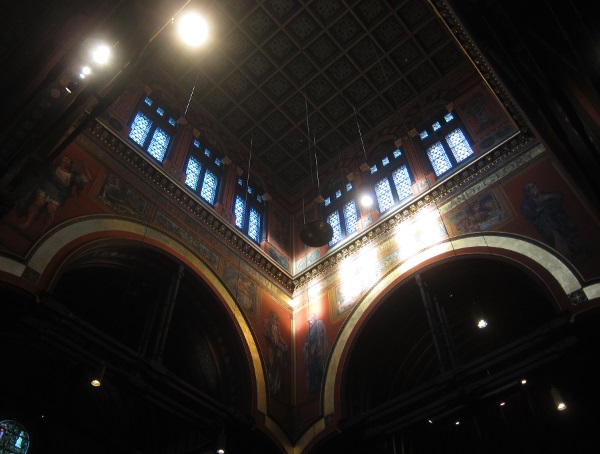
Trinity Church (1877, H.H. Richardson - perhaps his most significant work). Powerful exterior of Trinity Church recalling Arles Cathedral. But the interior, sadly, is a failure.
The Old South Church (1873; a replacement for the Old South Meeting House). South Station. Interior of Trinity Church.
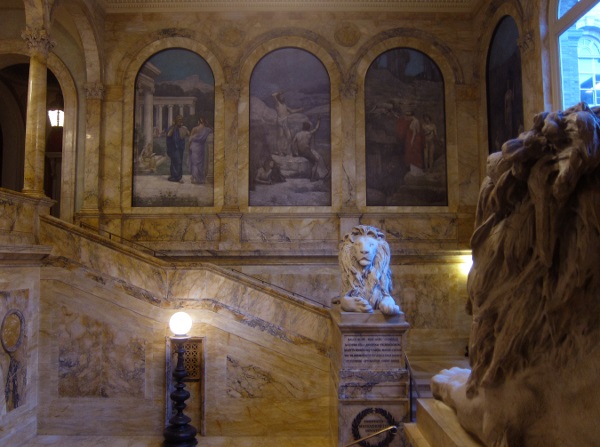
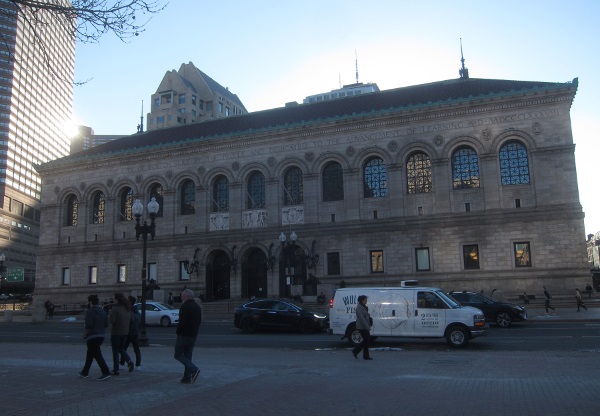
Boston Public Library. The public library. The public library.
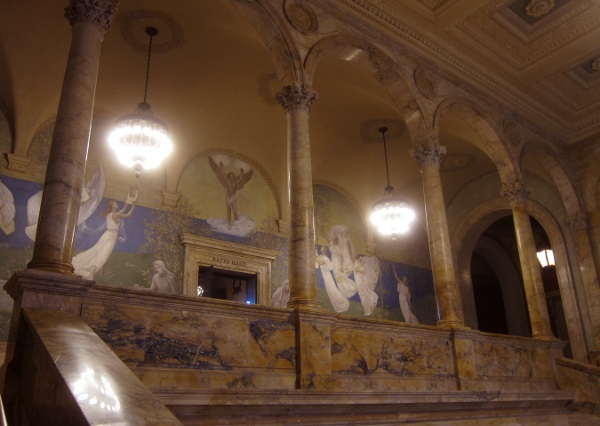
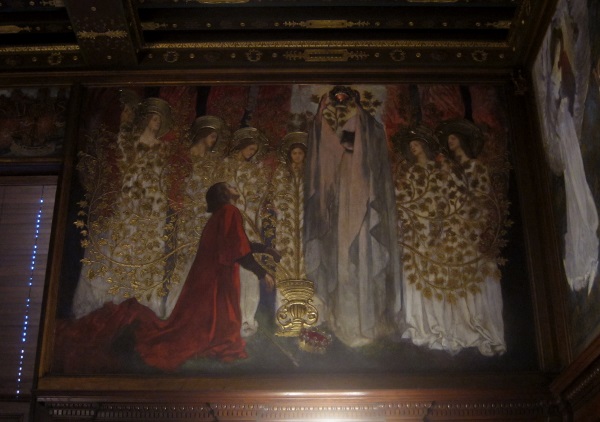
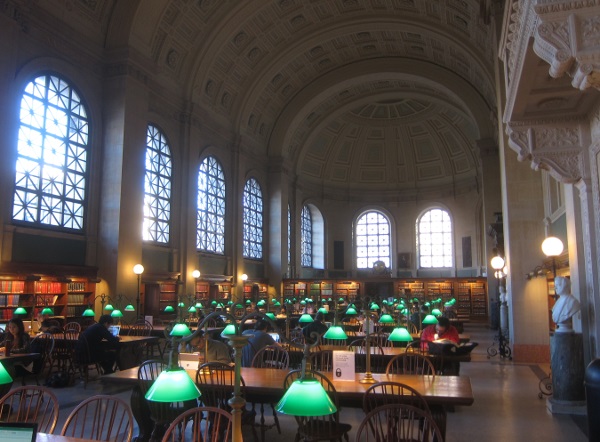
The book delivery room at the public library. The quest for the Holy Grail in the delivery room. Bates Hall in the public library.
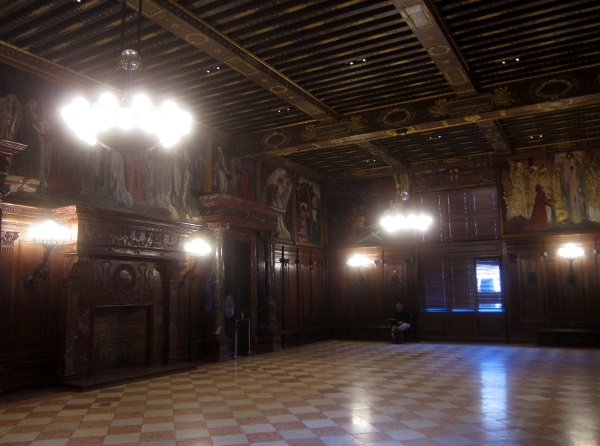
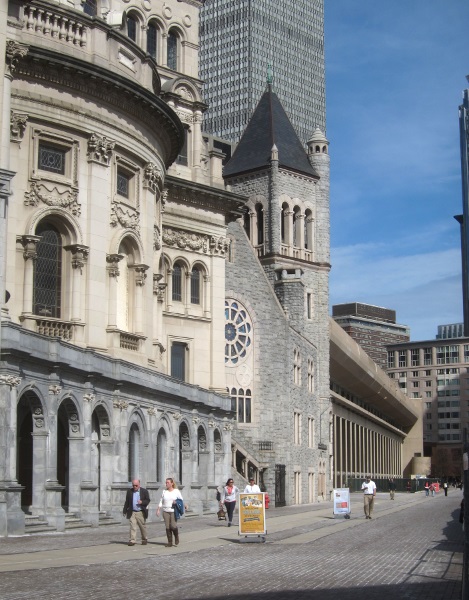
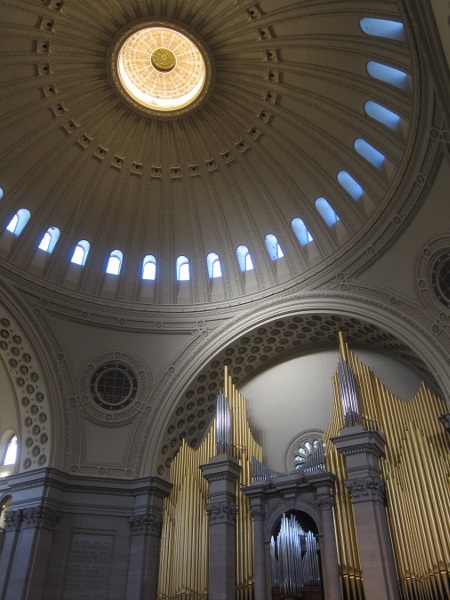
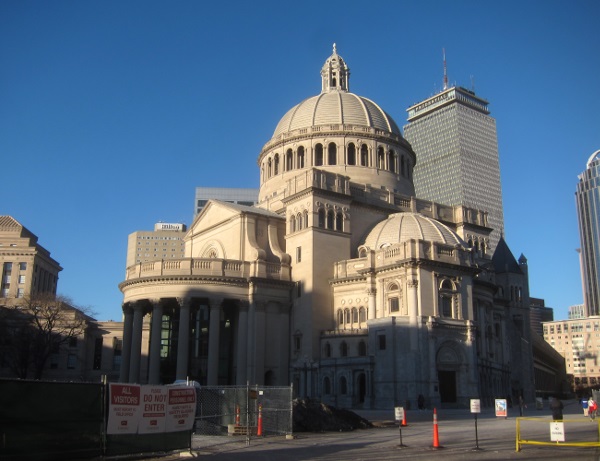
Sargent Hall at the public library. The First Church Of Christ, Scientist (the extension overwhelms the original structure). The First Church Of Christ, Scientist.
Horticultural Hall. The First Church Of Christ, Scientist. The Mary Baker Eddy Library, home to the Mapparium - a stained glass globe from 1935.
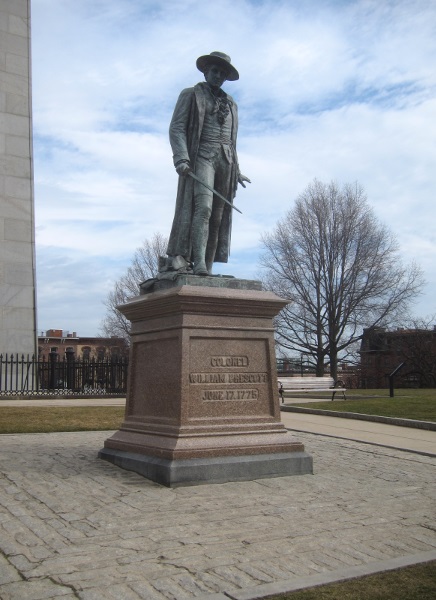
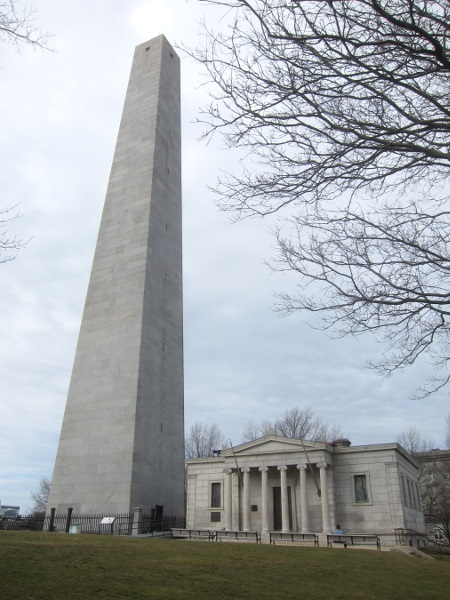
The Bunker Hill Monument (marking the Battle Of Bunker Hill). Statue of William Prescott. The Bunker Hill Monument.
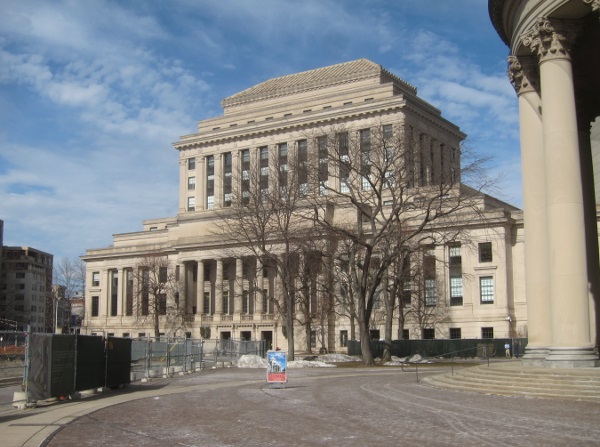
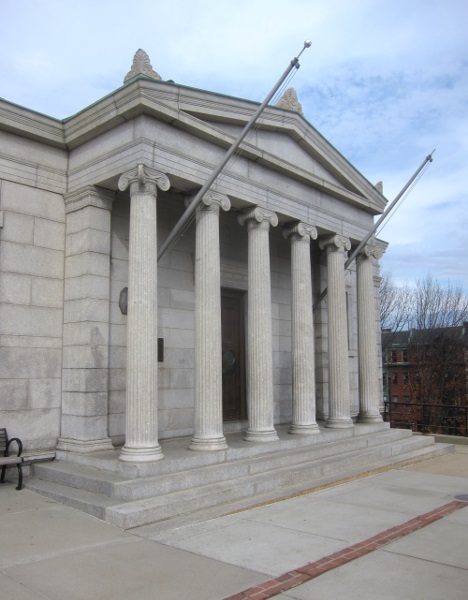
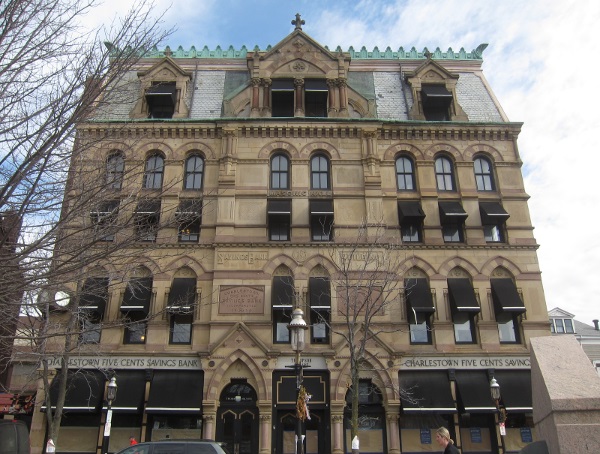
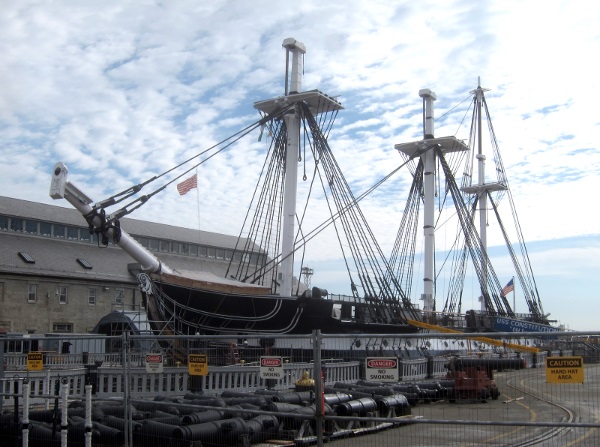
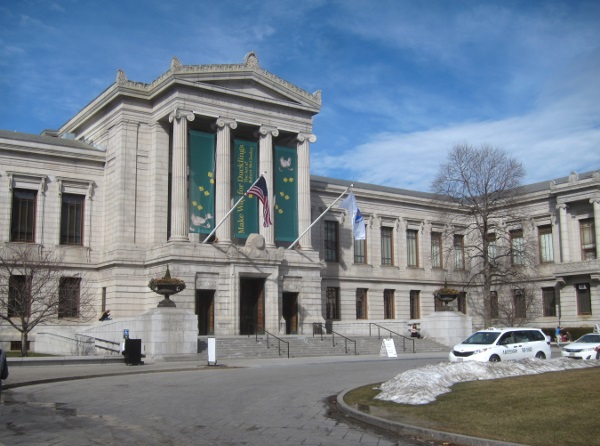
Savings Bank and Masonic Hall, Bunker Hill. USS Constitution. The Museum Of Fine Arts.
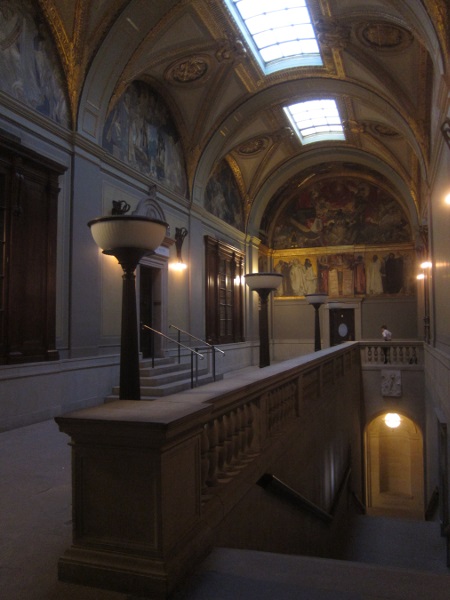
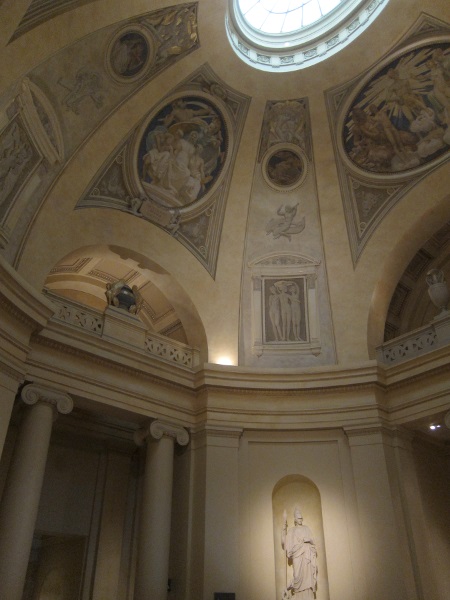
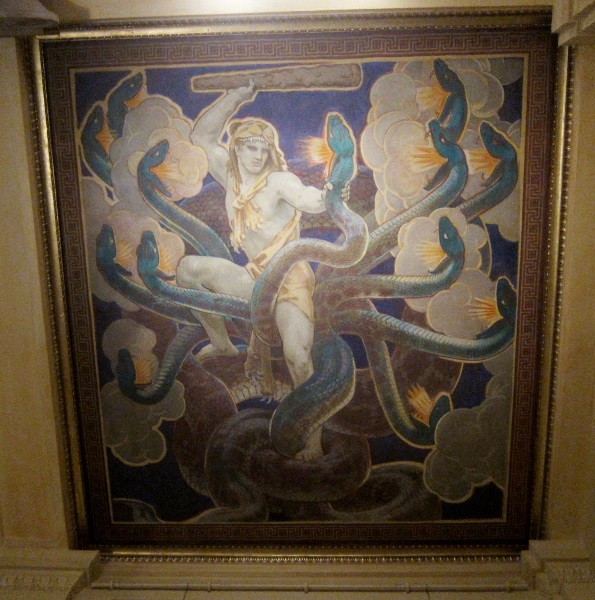
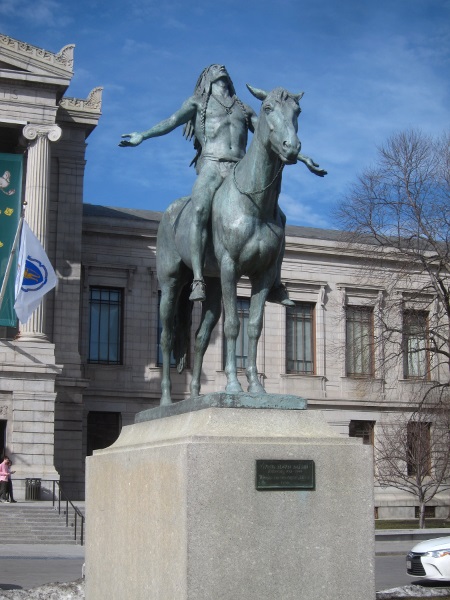
The Museum Of Fine Arts. Murals by Sargent. 'Appeal to the Great Spirit'.
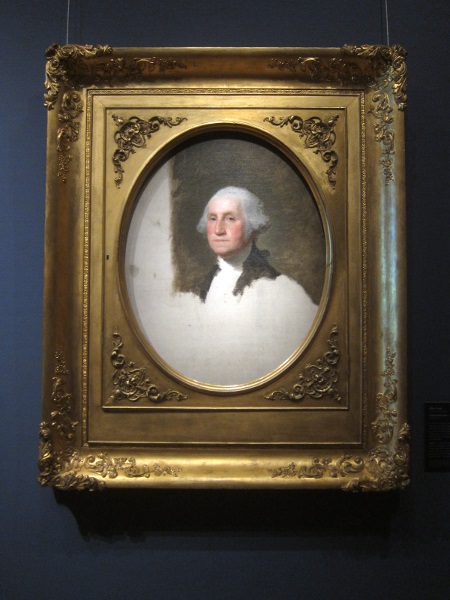
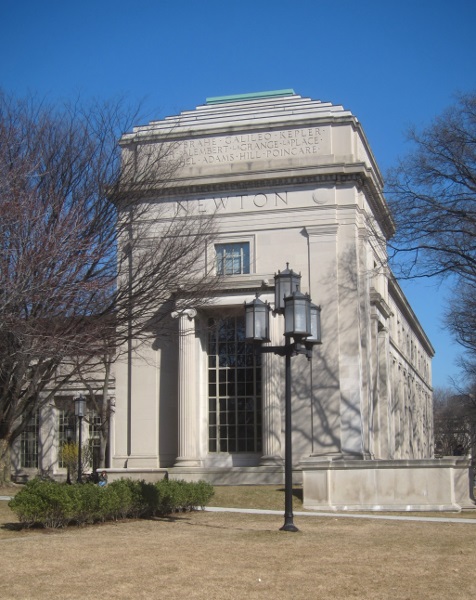
The Athenaeum Portrait of Washington. The Massachusetts Institute Of Technology (MIT). MIT (1916, W.W. Bosworth).
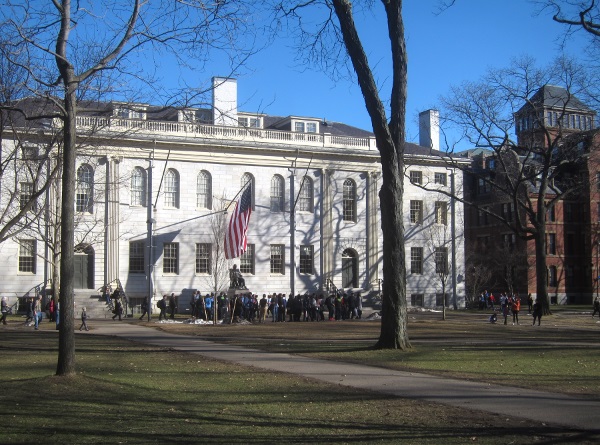
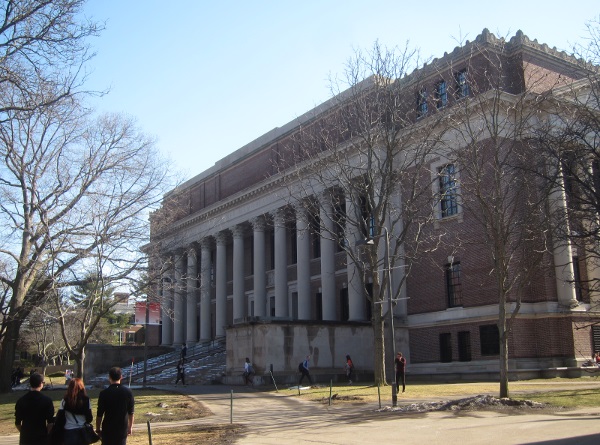
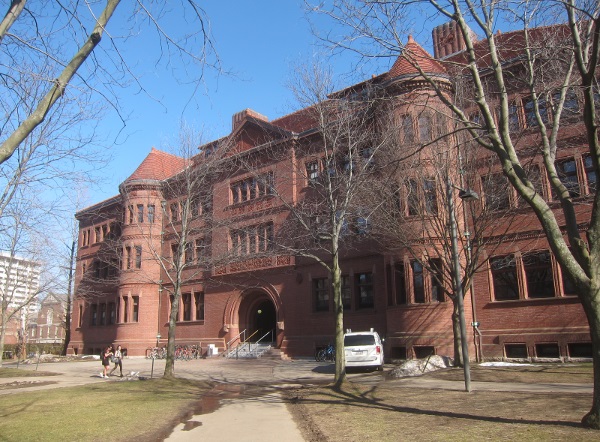
University Hall, Harvard University (with the statue of John Harvard). The Widener Library. Sever Hall (Richardson, 1878).
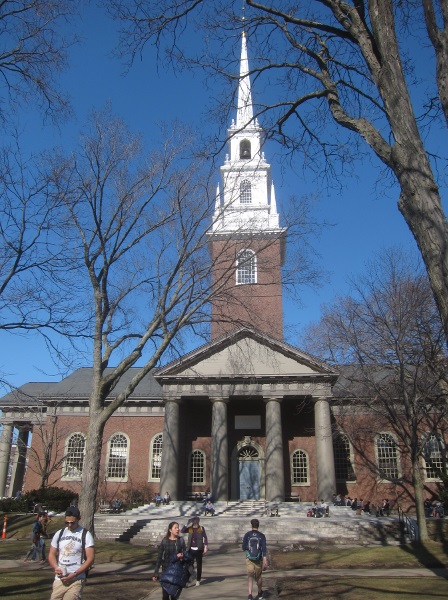
Harvard University was founded in 1636 by the Massachusetts legislature, though this was challenged by the authorities in London. The Harvard campus is more eclectic and less architecturally distinguished than Princeton's (below).
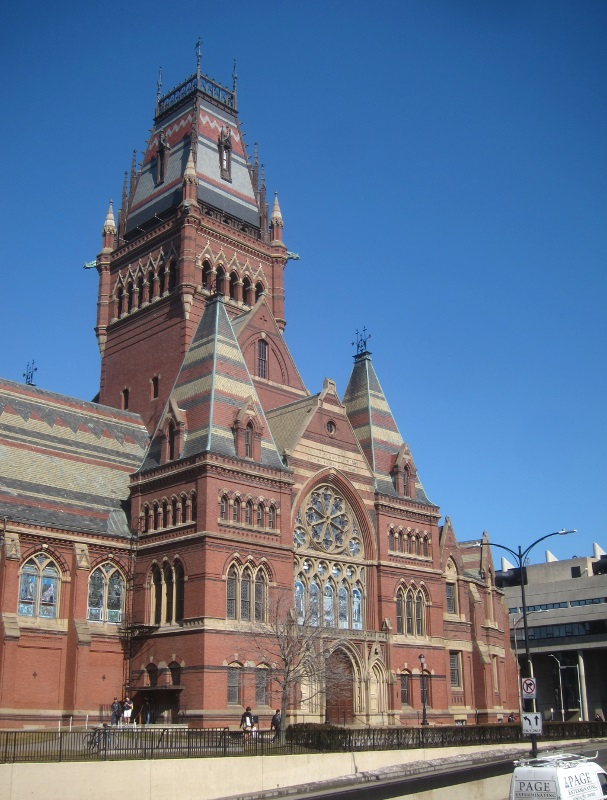
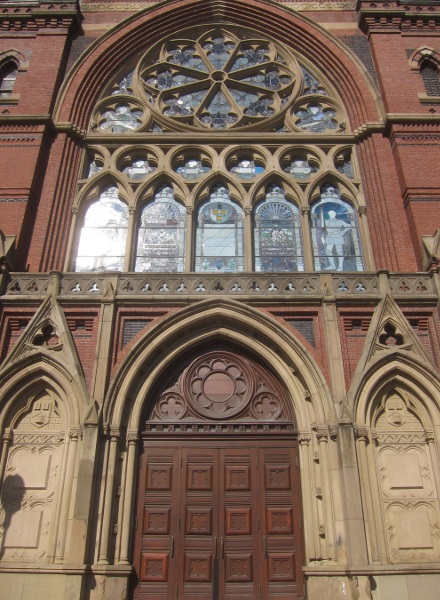
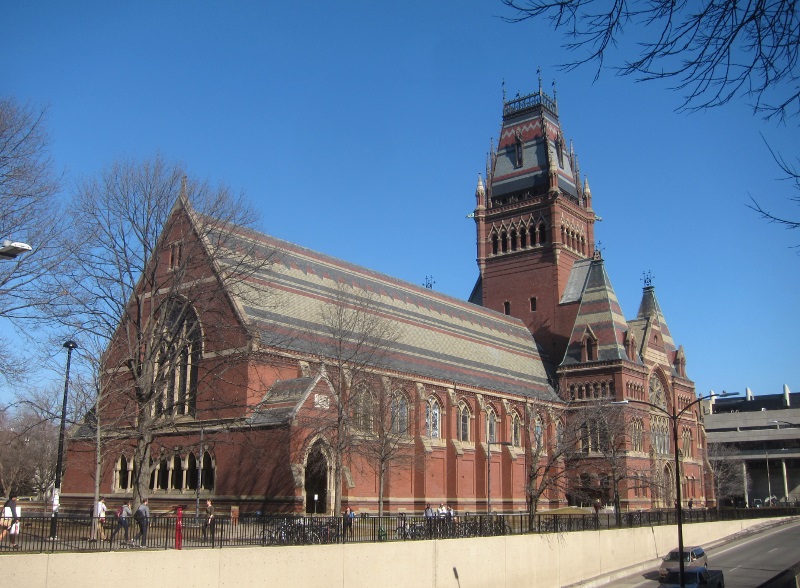
Memorial Church. Memorial Hall (Ware & Van Brunt, 1877). Memorial Hall.
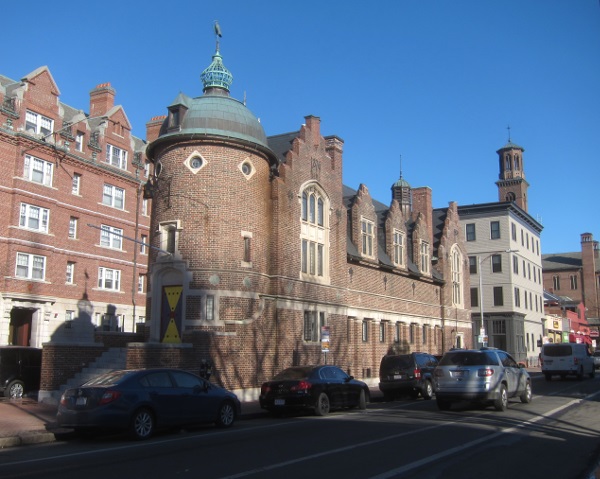
The Harvard Lampoon 'Castle'. Memorial Hall. Lowell House.
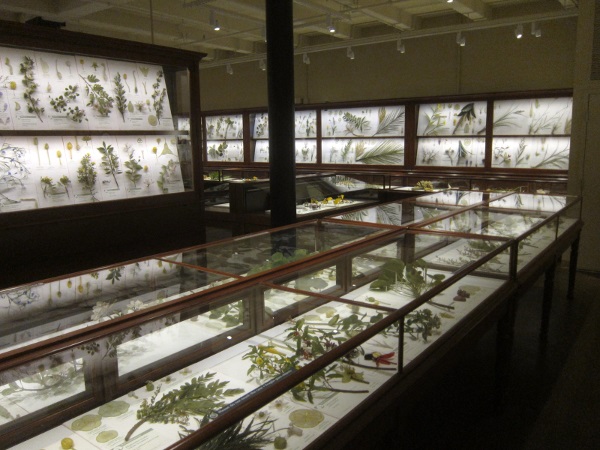
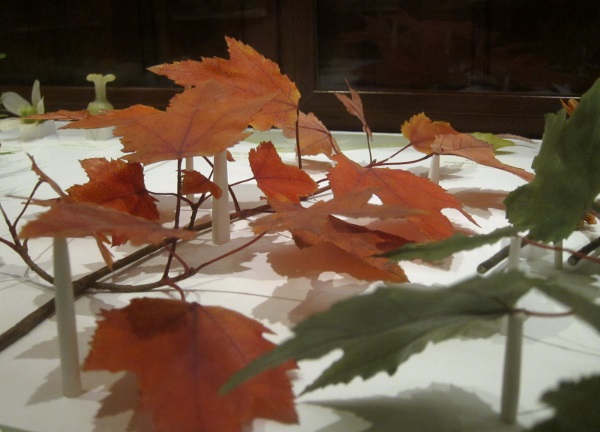
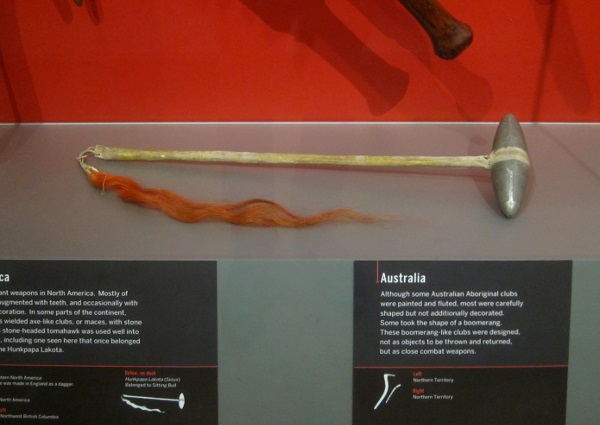
The Blaschka glass flowers at Harvard Museum Of Natural History. Glass leaves. A club owned by Sitting Bull (who fought Custer at Little Bighorn).
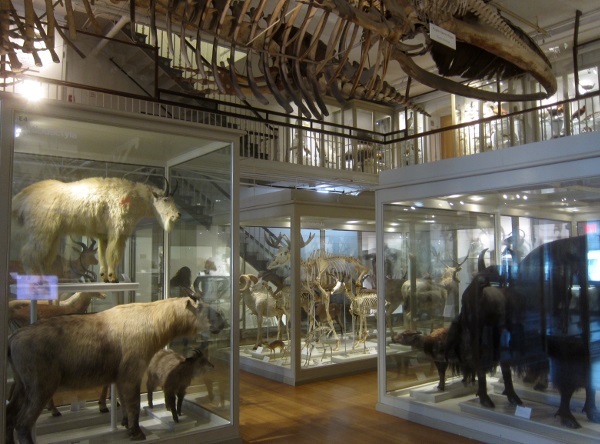
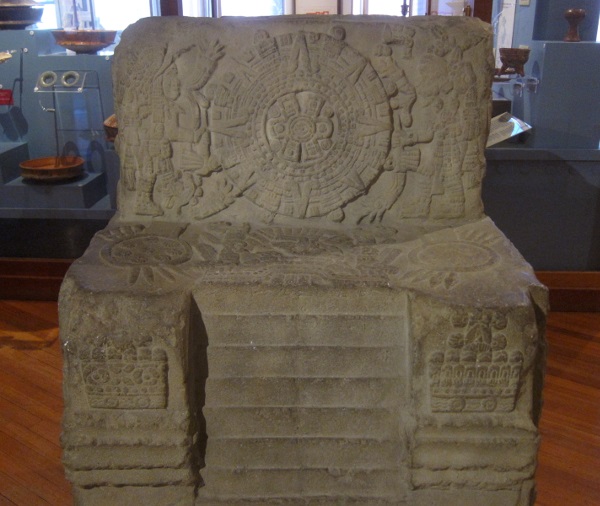
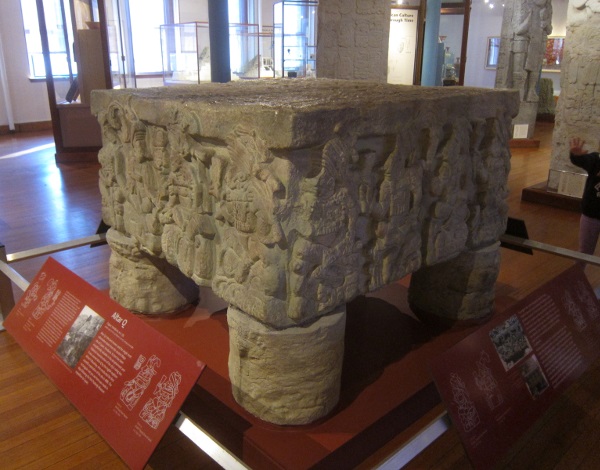
Museum Of Natural History. Cast of the Teocalli Of The Sacred War (original in Mexico City). Cast of altar Q at Copan (Honduras).

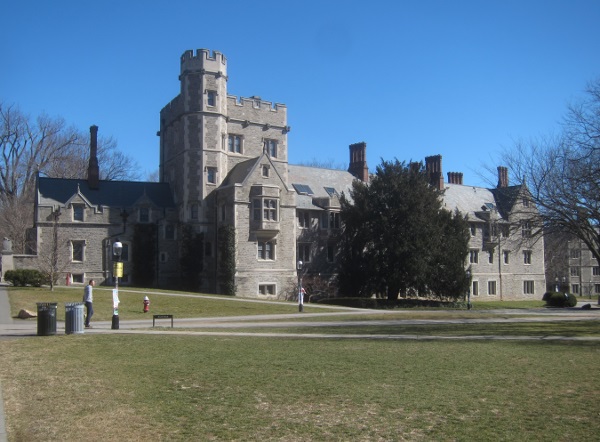
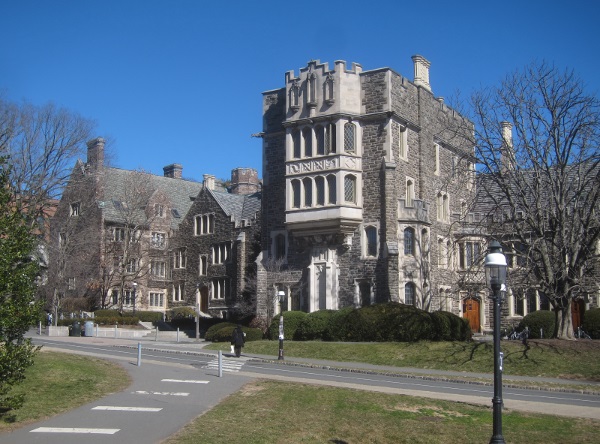
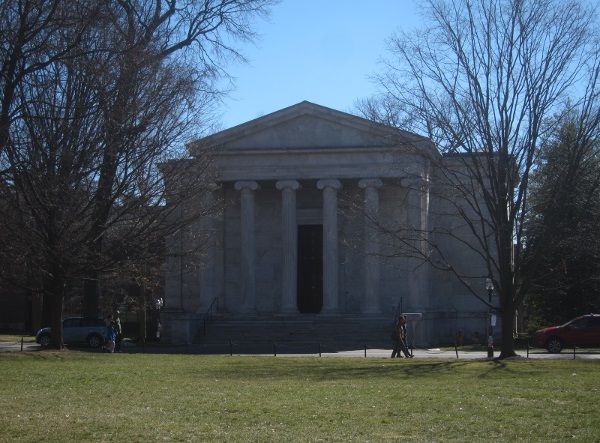
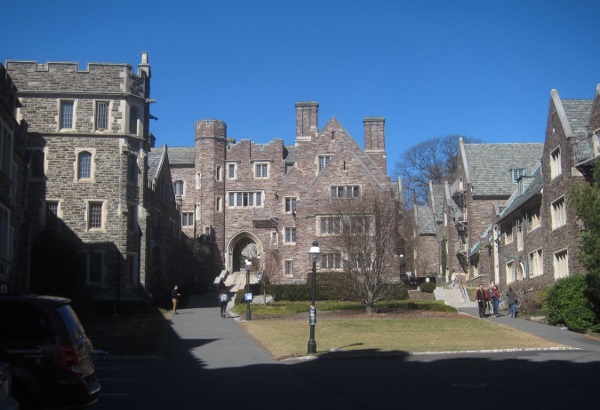
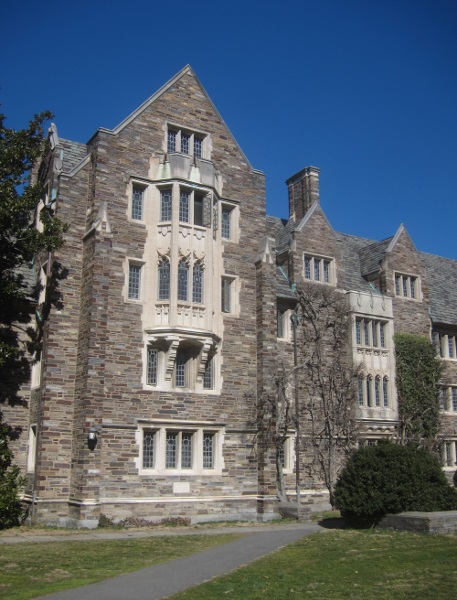
Princeton University was established by Royal Charter as the College Of New Jersey in 1746. Today the campus is full of perpendicular gothic buildings in direct emulation of Oxford and Cambridge, and has a dedicated station off the main railway line, served by a tiny train called the Dinky.
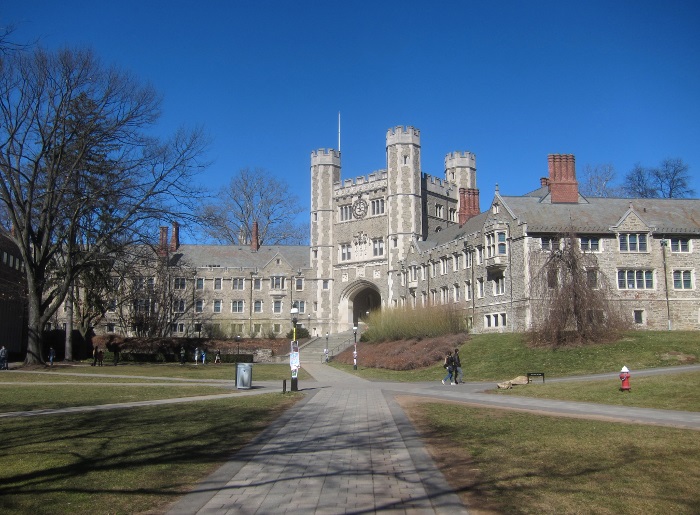
Princeton University.
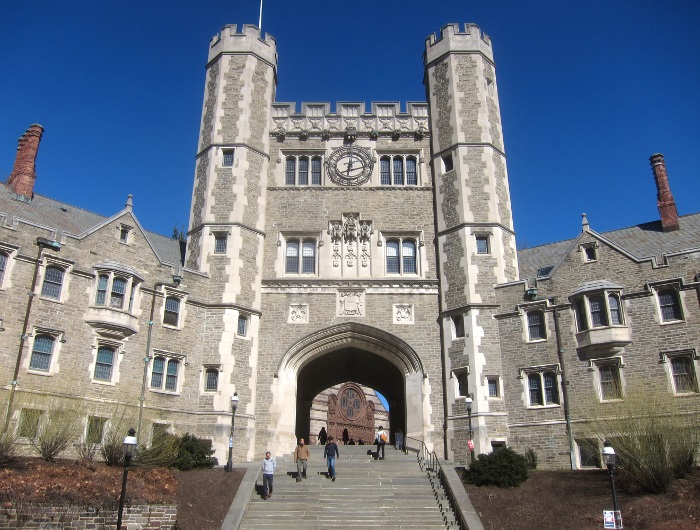
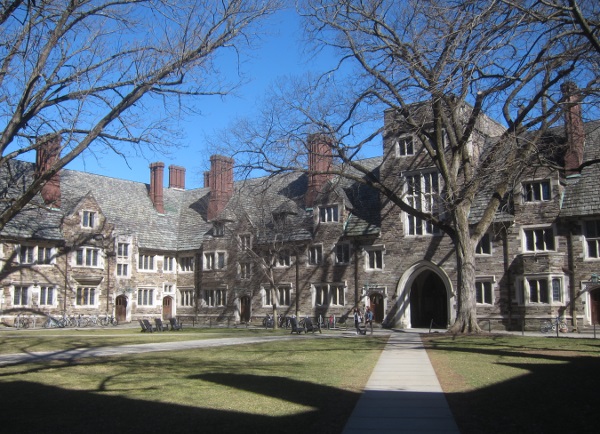
Little Hall (Cope & Stewardson, 1898). Blair Arch, Mathey College (Cope & Stewardson, 1896). Laughlin Hall.
Patton Hall. Nassau Hall. Whig Hall.
Patton and Cuyler Hall (Klauder & Day, 1912). Princeton Seminary. Richardson Auditorium (William Appleton Potter, 1894 - unrelated to H.H. Richardson even if built in his style).
Edwards Hall. Pyne Hall. Richardson Auditorium.
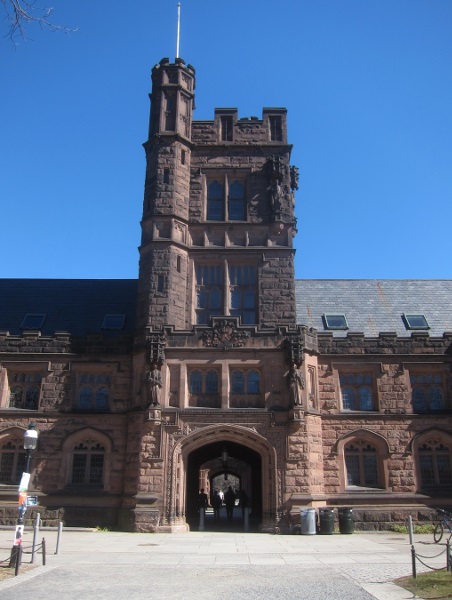
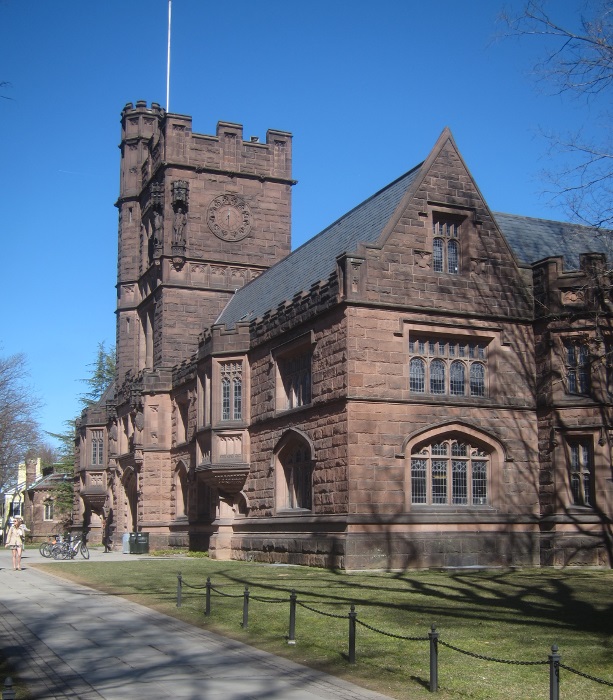
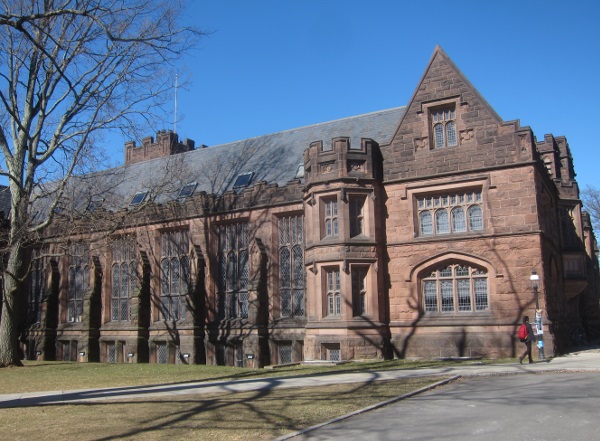
Firestone Library. East Pyne Hall (built as the Pyne Library, William Appleton Potter, 1897). East Pyne Hall.
Community Hall. East Pyne Hall. Chancellor Green Hall.
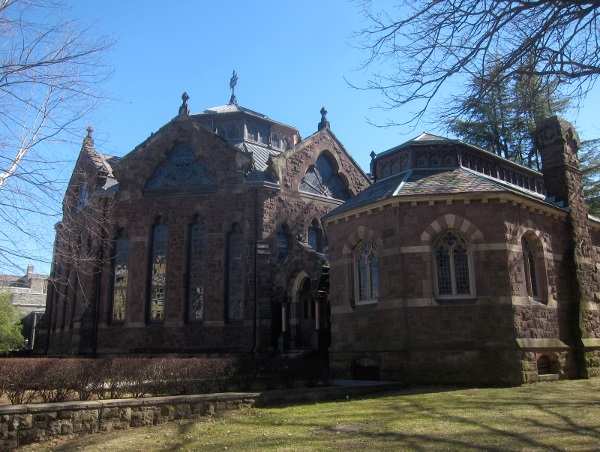
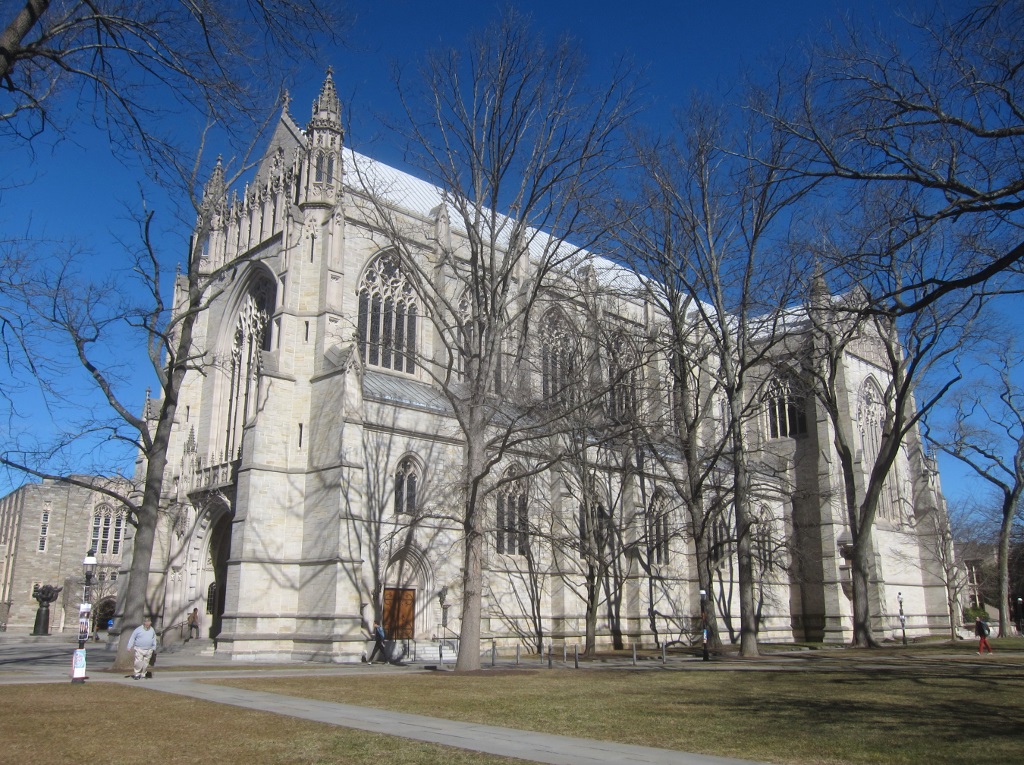
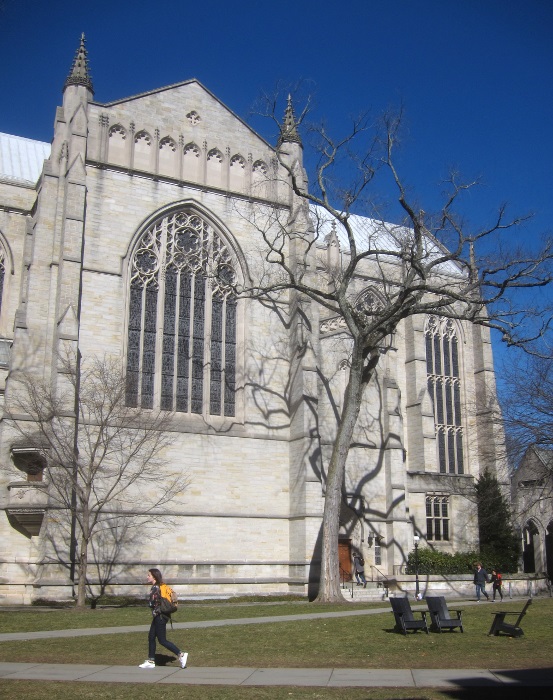
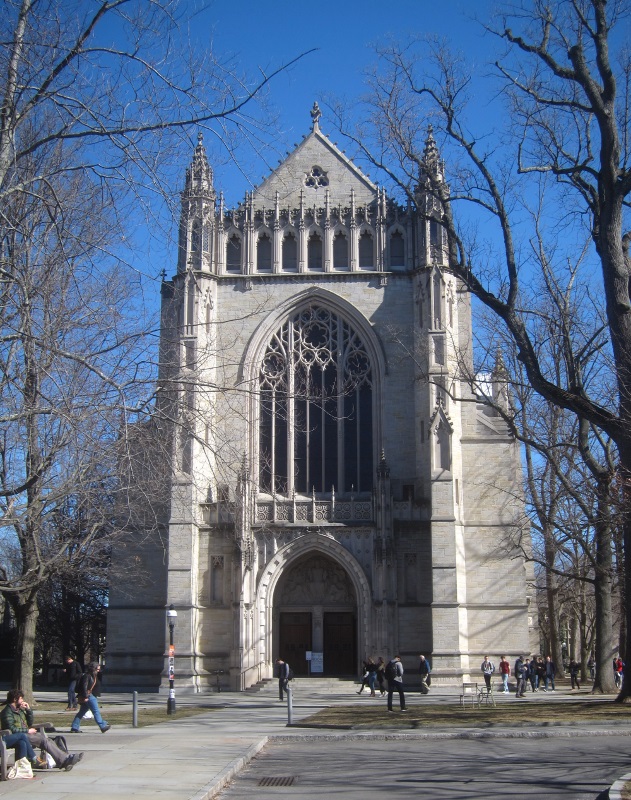
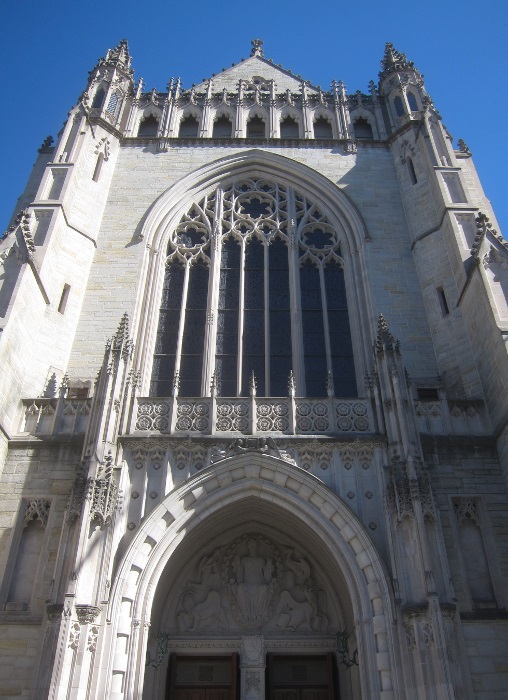
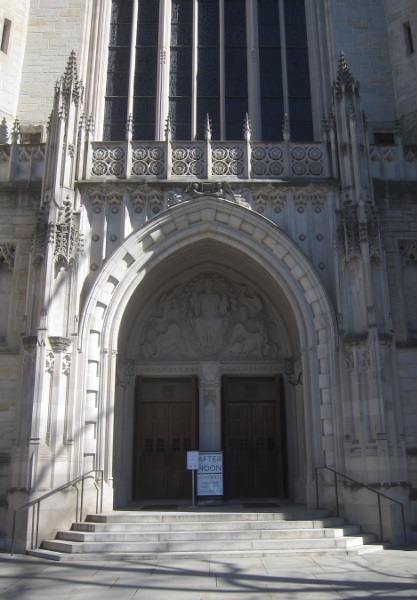
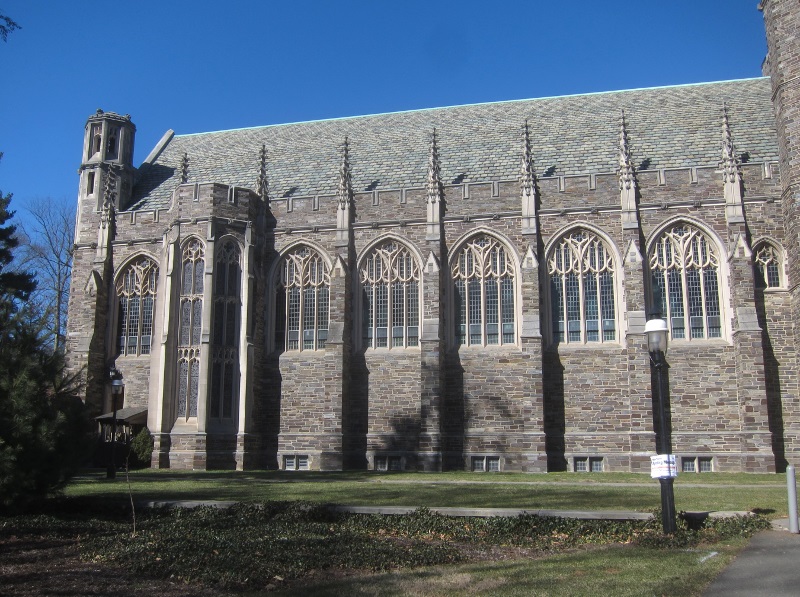
The chapel (Ralph Adams Cram, 1928). The chapel.
The chapel. The chapel. The chapel.
The university chapel was designed by Ralph Adams Cram, possibly the greatest of the American architects, who also did major work in New York as seen above. Woodrow Wilson (at that time president of the university) worked with Cram to create the campus master plan.
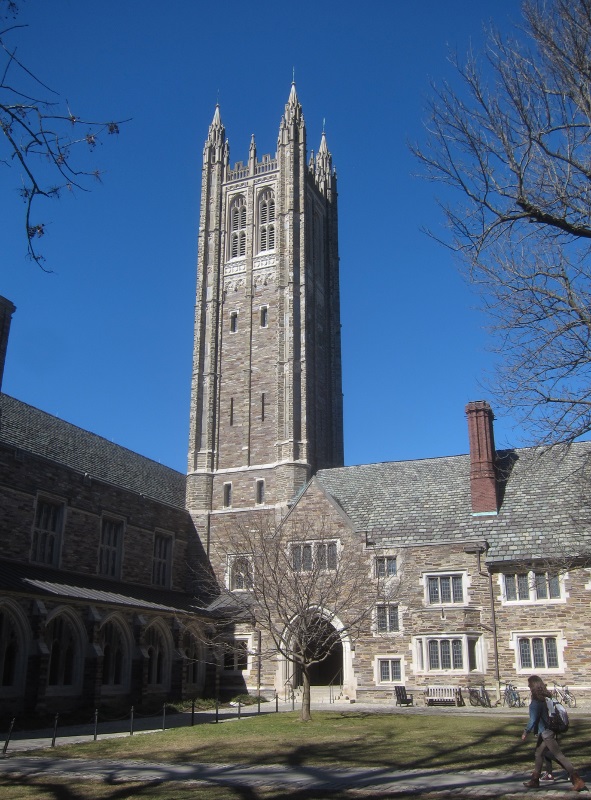
Holder Memorial Tower, Rockefeller College (Klauder & Day, 1911). Clearly inspired by Bell Harry Tower in Canterbury (John Wastell, 1498). Holder Memorial Tower. Madison Hall, Rockefeller College (Klauder & Day, 1916).
Holder Hall, Rockefeller College (Klauder & Day, 1911). Madison Hall. Madison Hall.
The Graduate College is another exquisite work by Cram, but several of the other halls are by Charles Klauder and Frank Day. Their work pushed the limits of the perpendicular into what we now call art deco - most obviously in Klauder's Cathedral Of Learning in Pittsburgh.
Lockhart Hall. The Graduate College. The Graduate College.
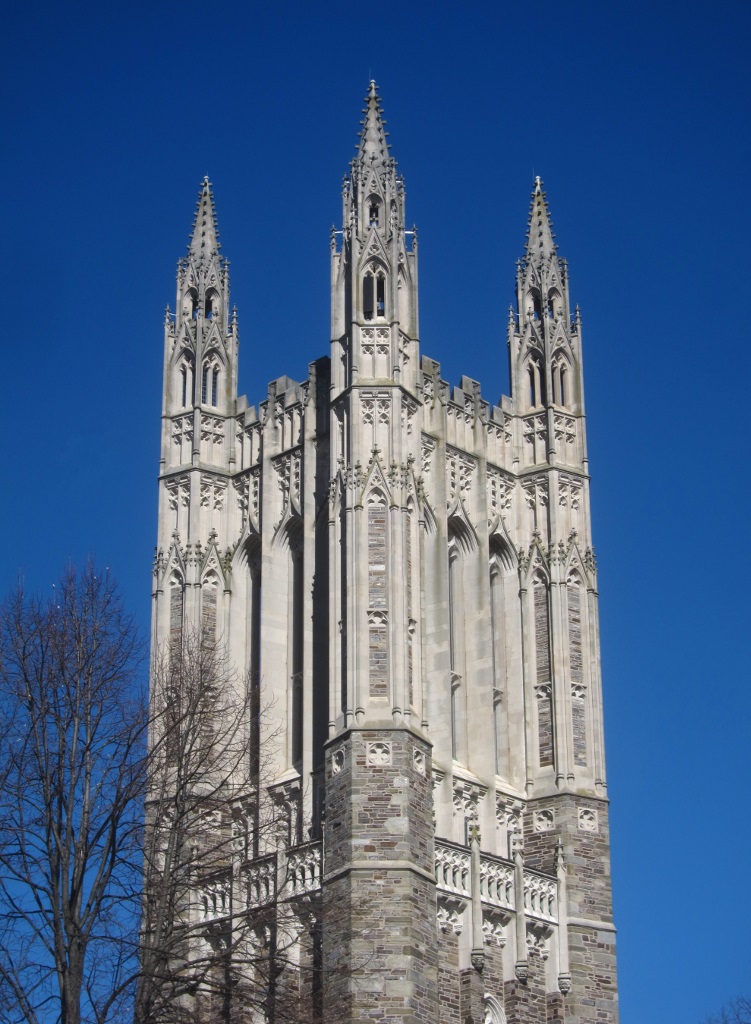
Cleveland Tower, the Graduate College (Ralph Adams Cram, 1913). Cleveland Tower. Cleveland Tower.