
www . DanYEY . co . uk
| Archive : Cologne & Brabant |
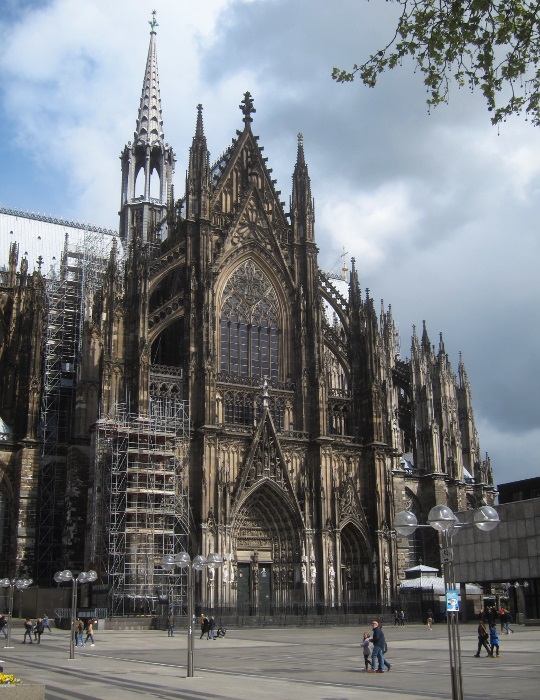
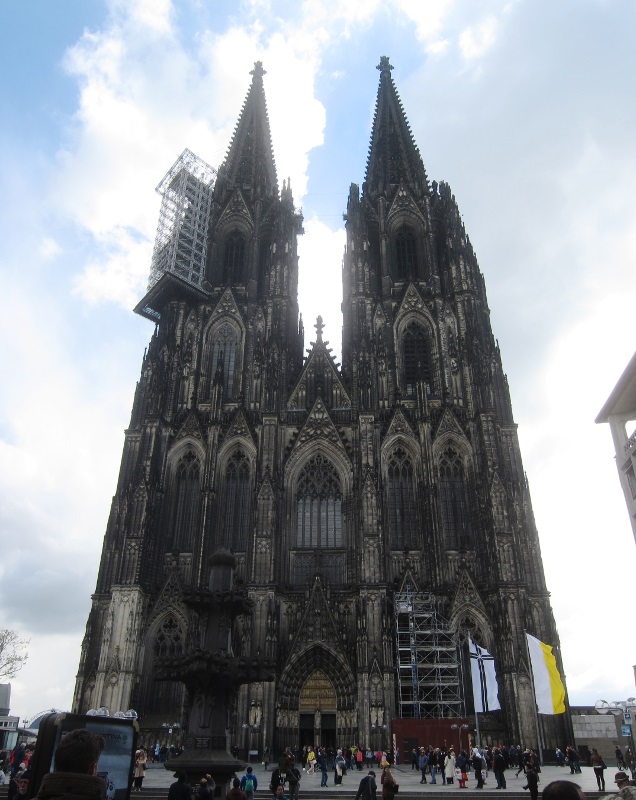
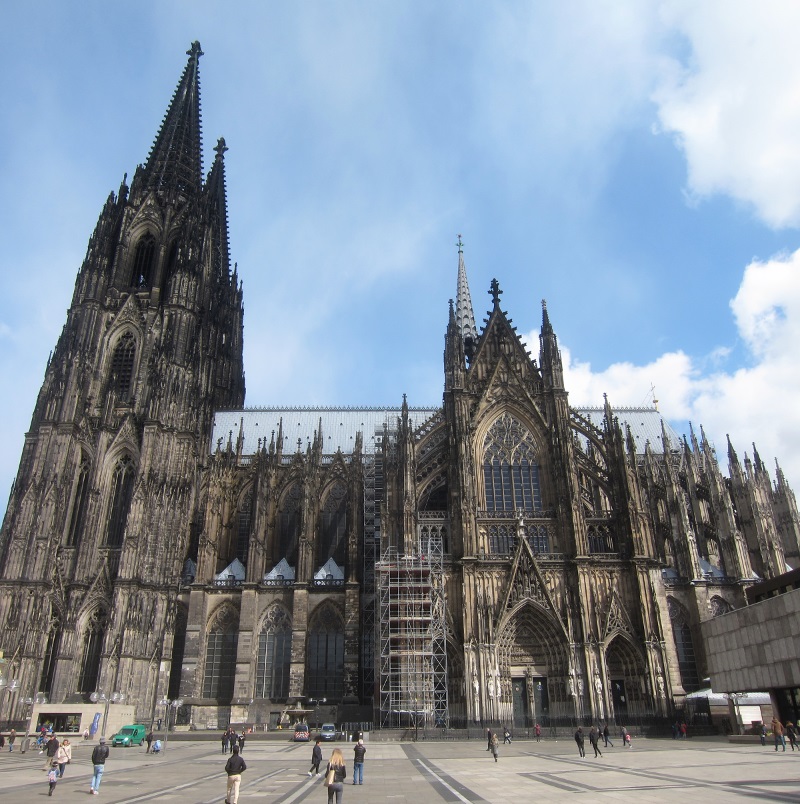
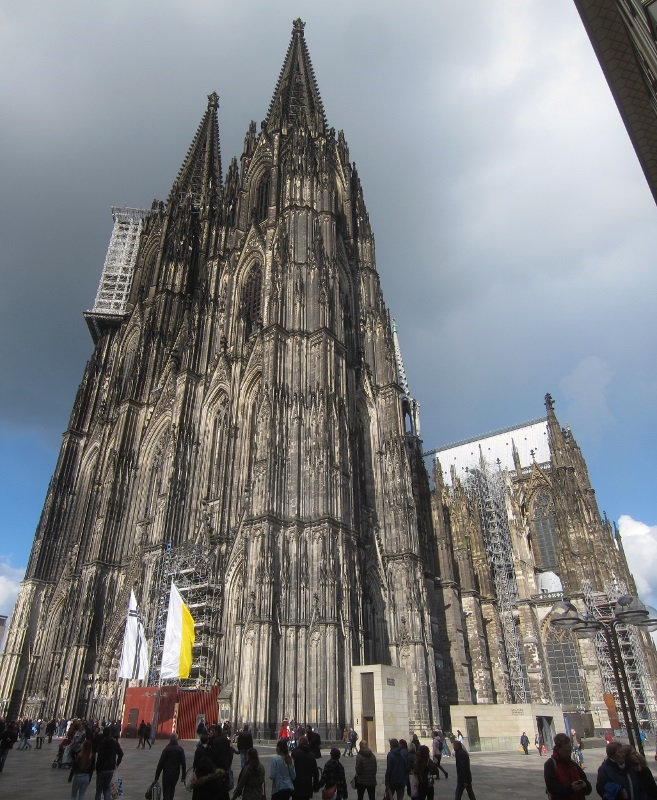
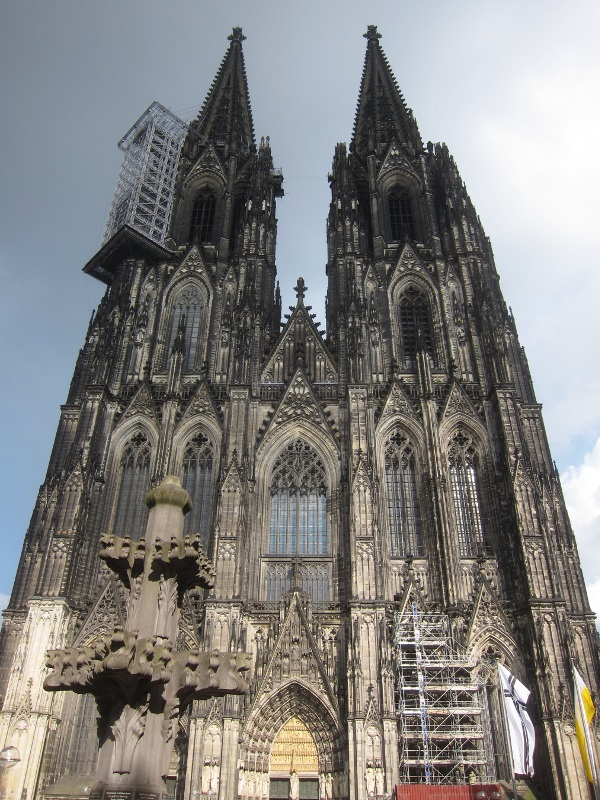
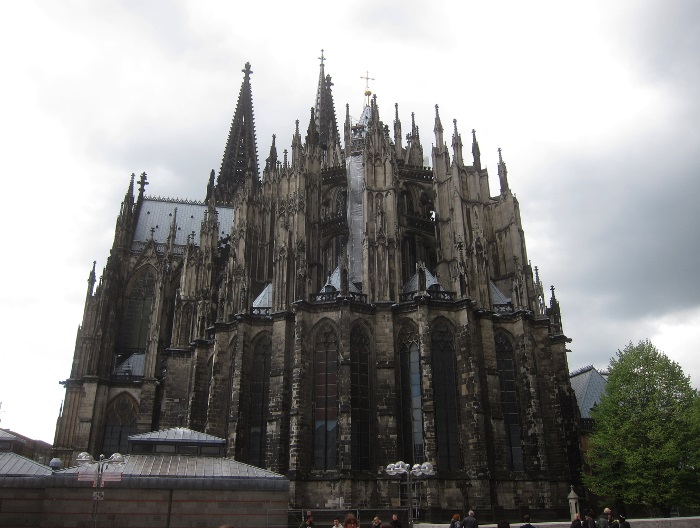
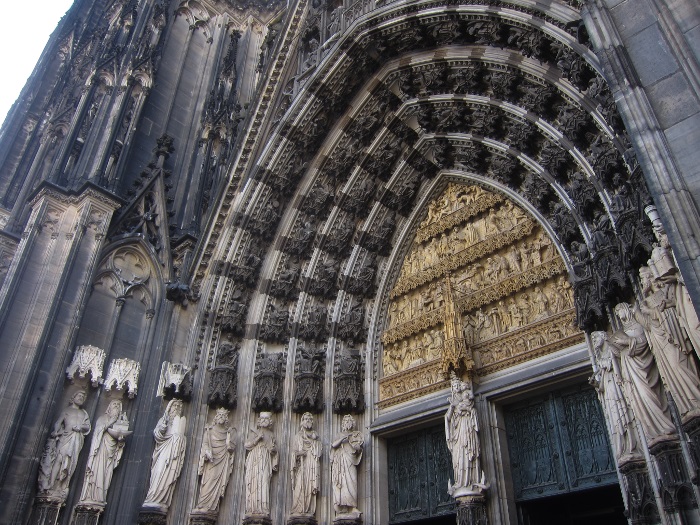
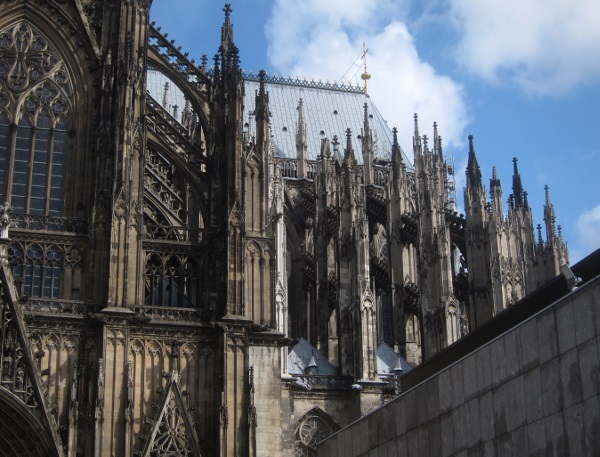
The famous photographs of the ruins of Cologne after world war two show the near-miraculous survival of the black mountain of stone that is the cathedral.
 |
||
 |
 |
|
 |
||
 |
 |
|
 |
||
 |
 |
 |
 |
 |
|
 |
||
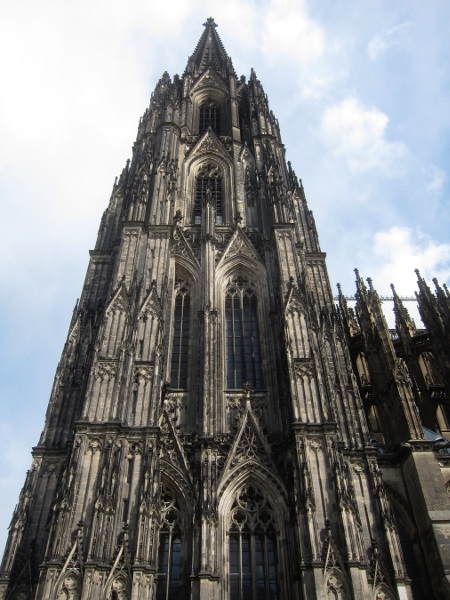
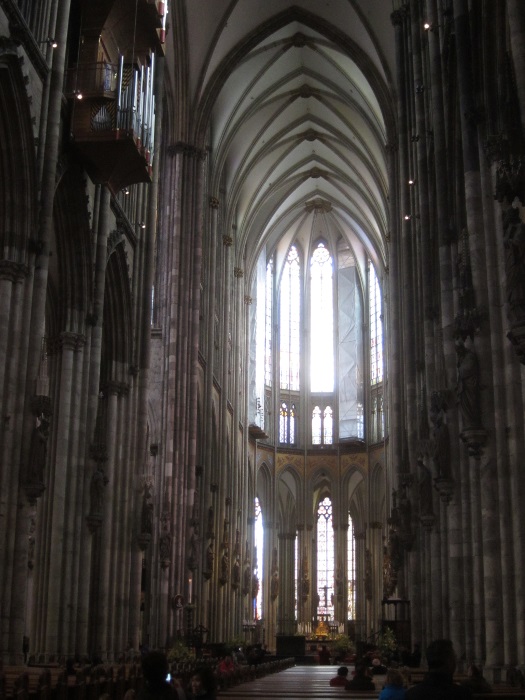
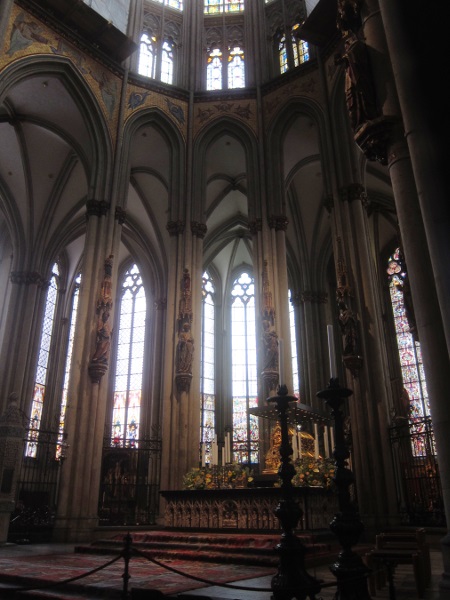
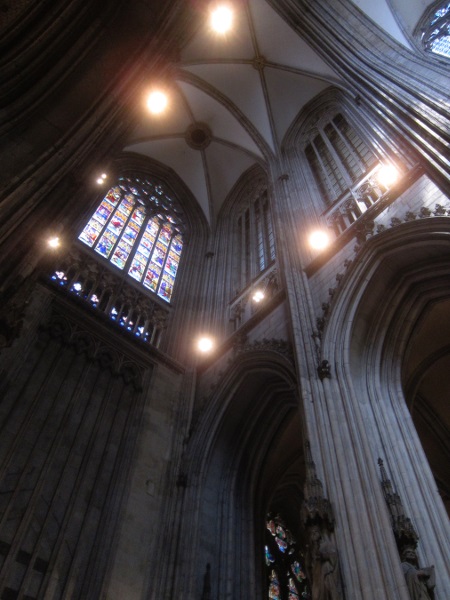
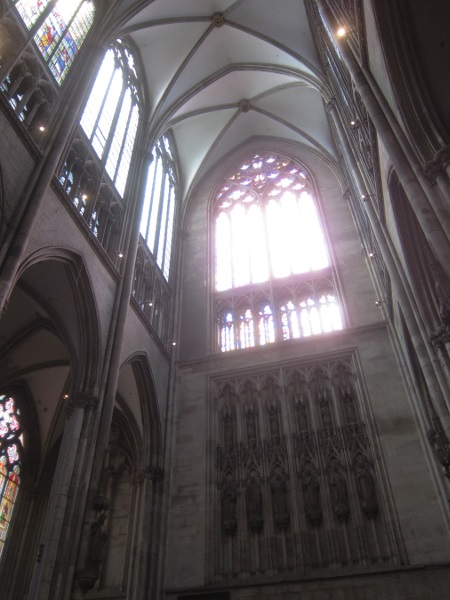
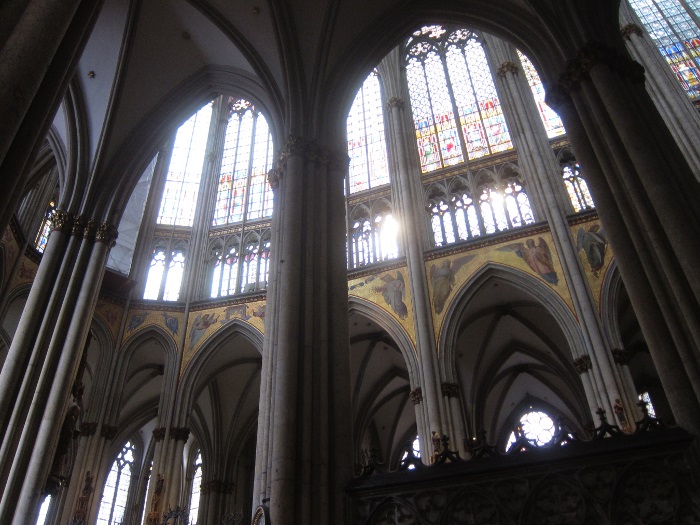
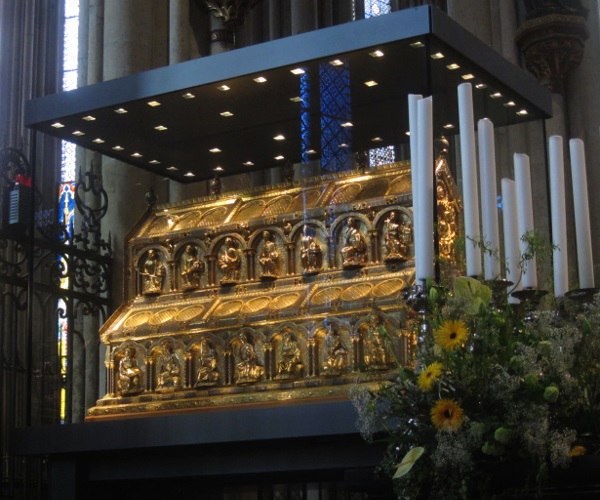
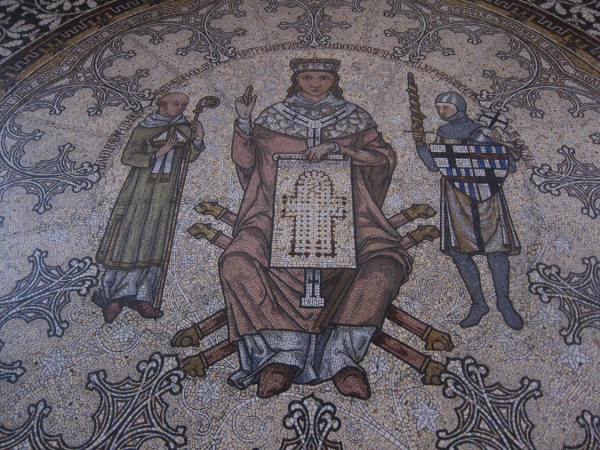
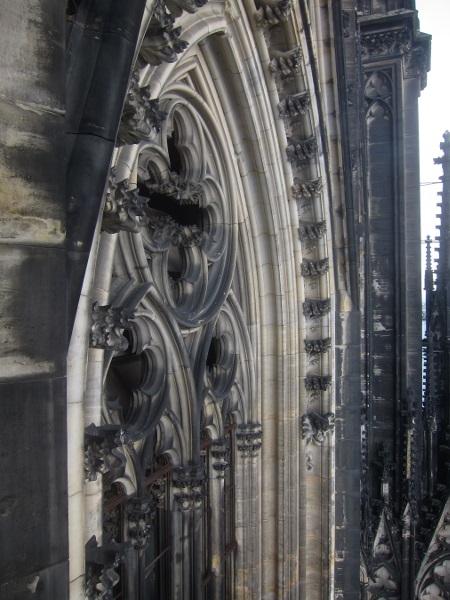
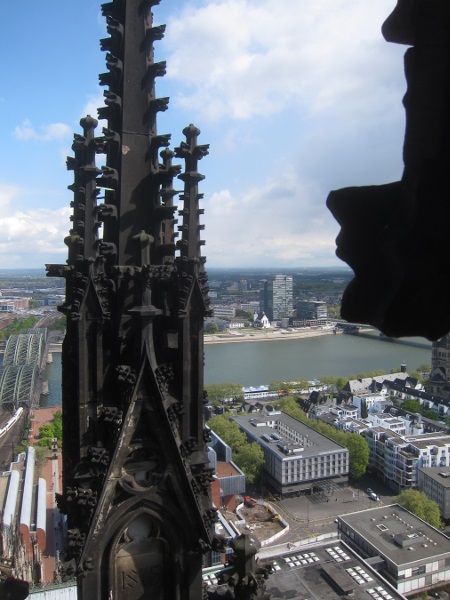
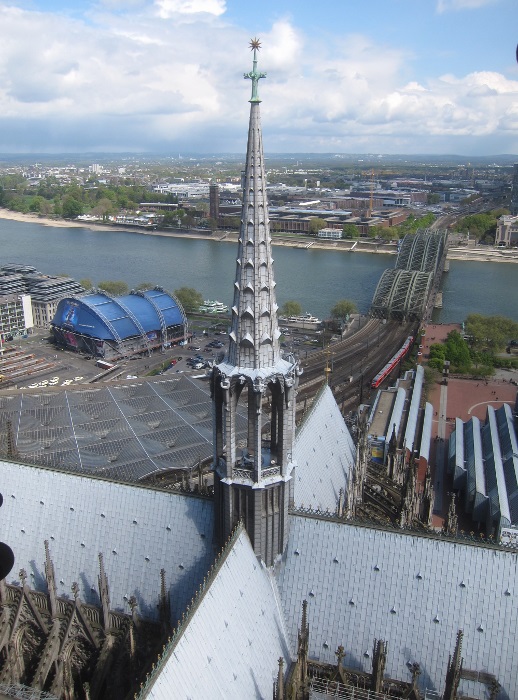
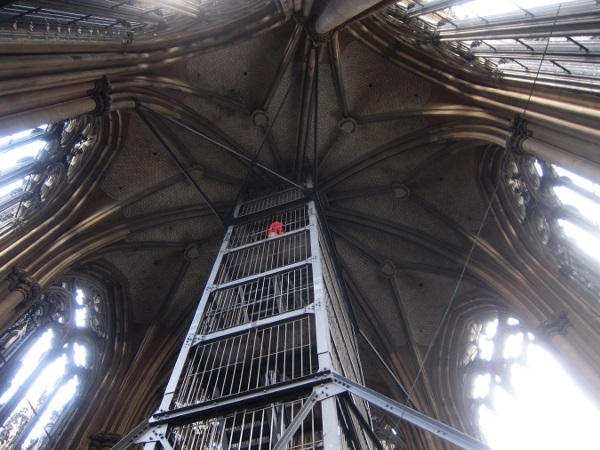
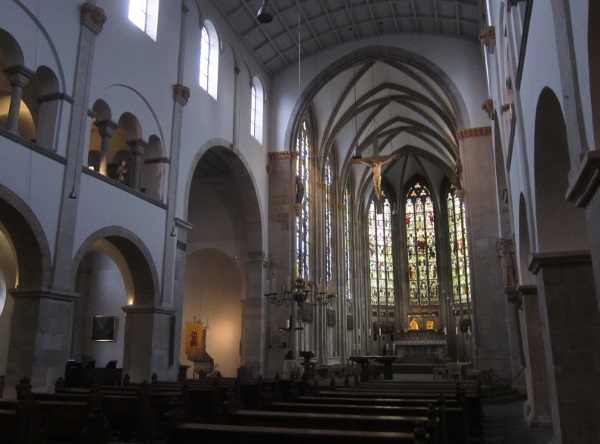
| The undeniably mighty structure of Cologne Cathedral (with a nave higher than Amiens but lower than Beauvais) was unfinished for 400 years. The choir and the lower stage of the south tower were started in 1248 by Gerhard Von Ryle (under Archbishop Konrad Von Hochstaden) and then left incomplete until the 19th century, when work resumed using the original plans (Fassadenplan F). The cathedral was finished in 1880, at which point it was briefly the tallest building in the world. | ||
 |
 |
 |
 |
 |
 |
| According to legend, the design of the cathedral was stolen from the devil by the architect, who defended himself using one of the bones of the 11,000 virgins of St. Ursula. As construction progressed, the architect climbed the tower to affix a plaque bearing his name and then, as a thunderstorm gathered, he fell to his death. Another version of the story, which ends the same way, has the architect making a bet with the devil that he would complete the cathedral before the devil could build a canal. | ||
 |
 |
 |
 |
 |
 |
 |
 |
 |
 |
 |
 |
 |
 |
 |
 |
 |
 |
 |
 |
 |
 |
 |
 |
 |
 |
 |
 |
 |
 |
 |
 |
 |
 |
 |
 |
 |
 |
 |
 |
 |
 |


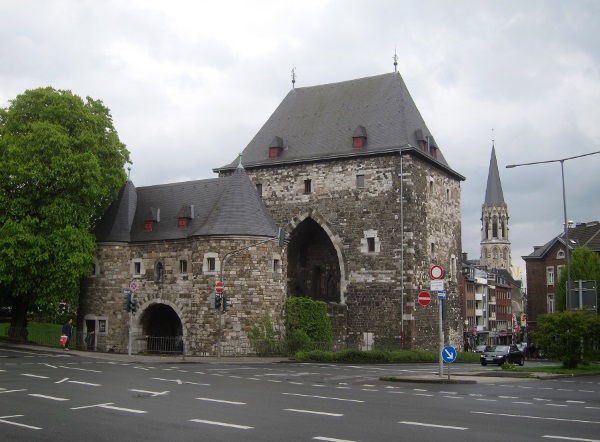
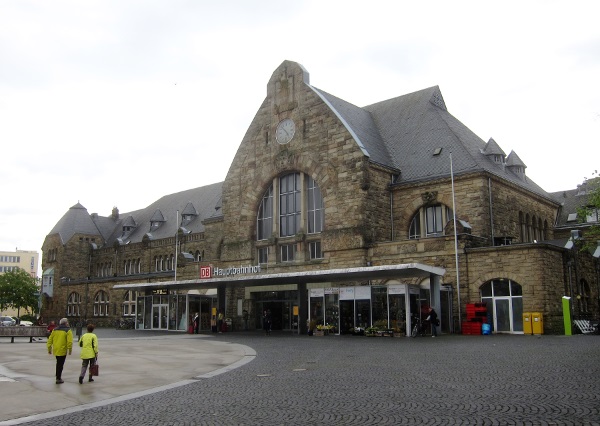
Rather off the beaten track today, Aachen (Aix-La-Chapelle) played a central role in the creation of modern France, Germany and the Low Countries.
 |
||
 |
 |
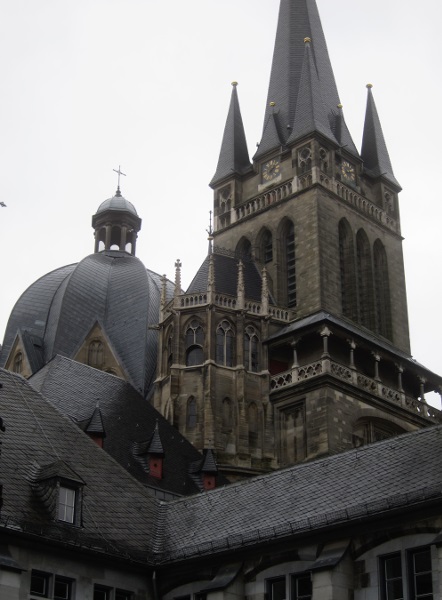 |
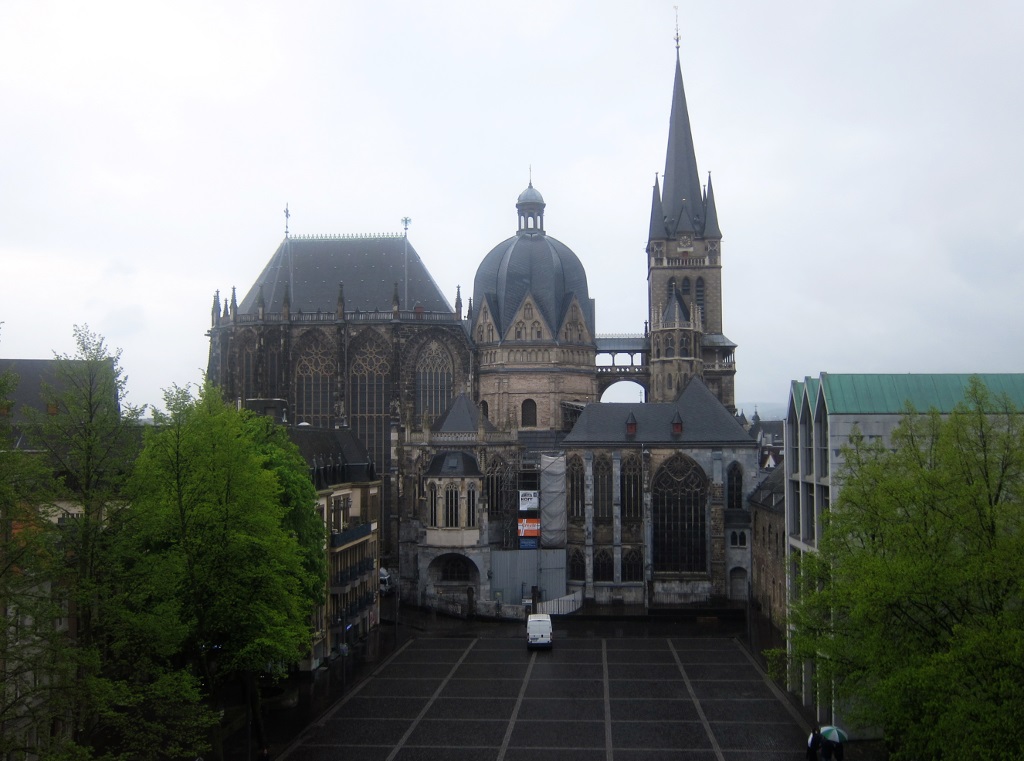
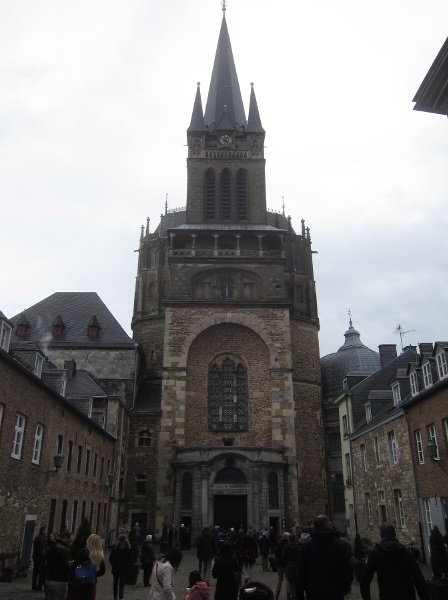
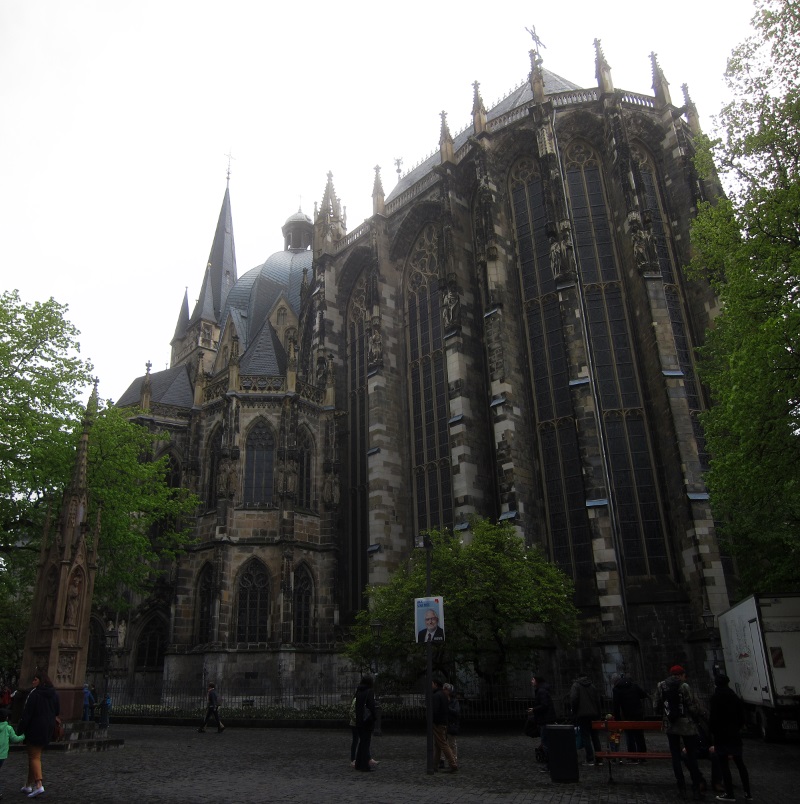
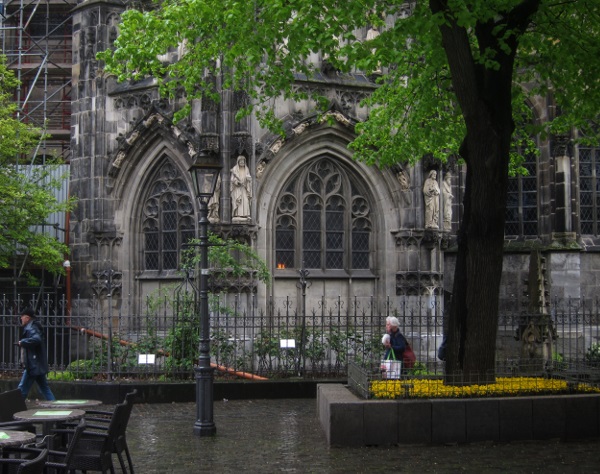
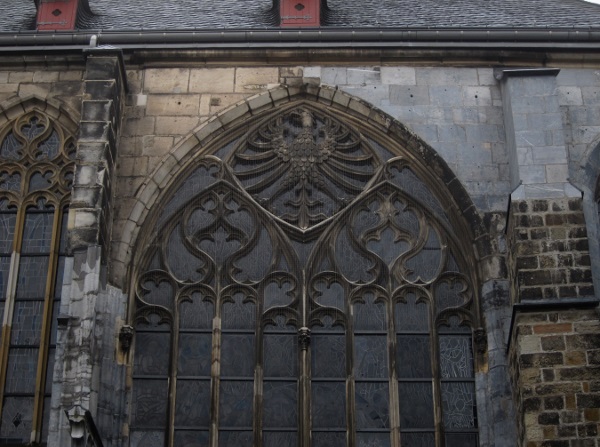
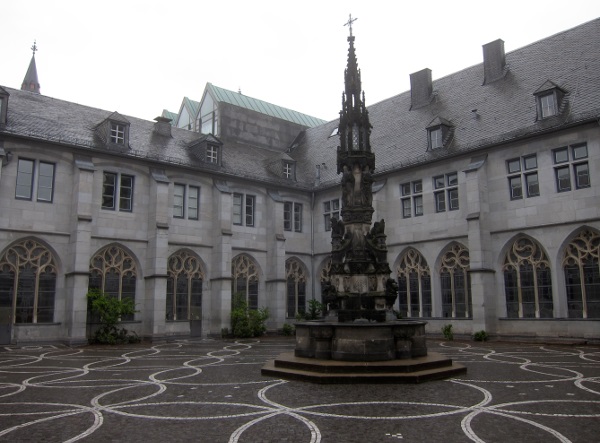
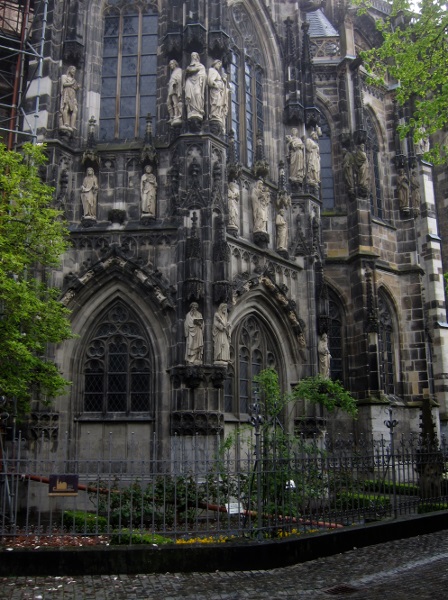
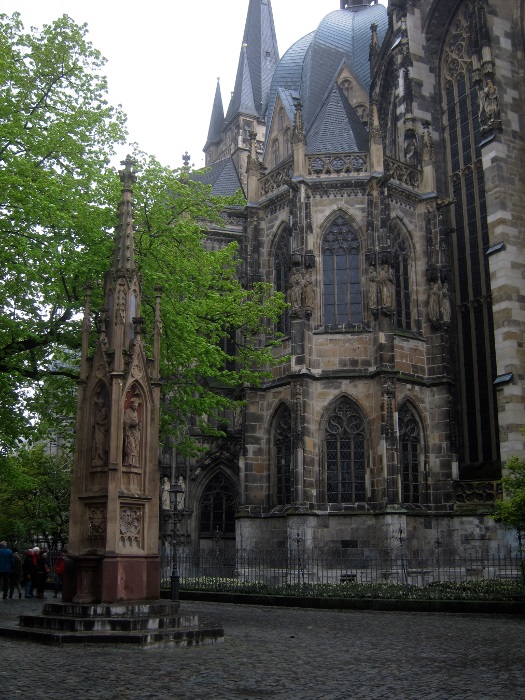
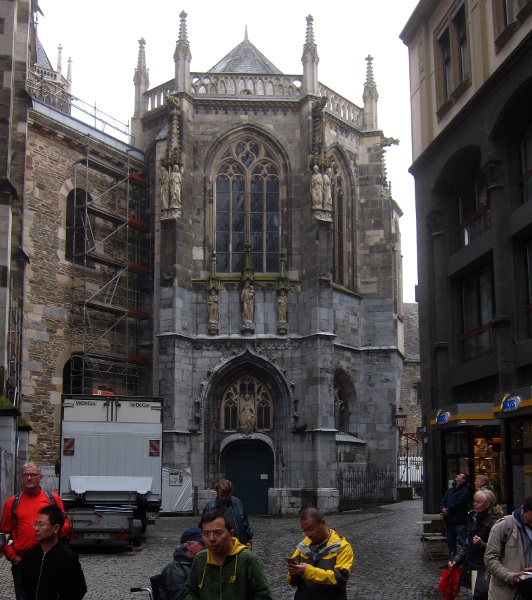
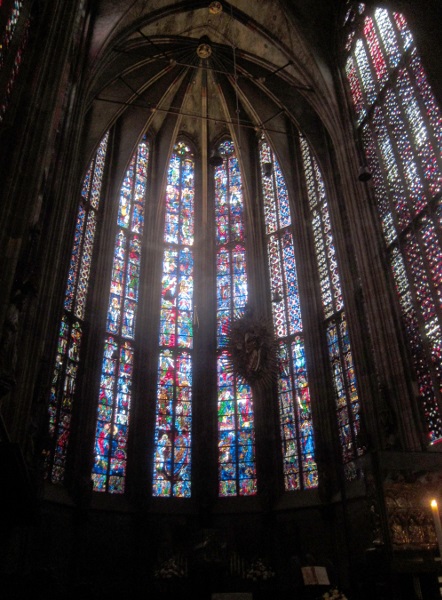
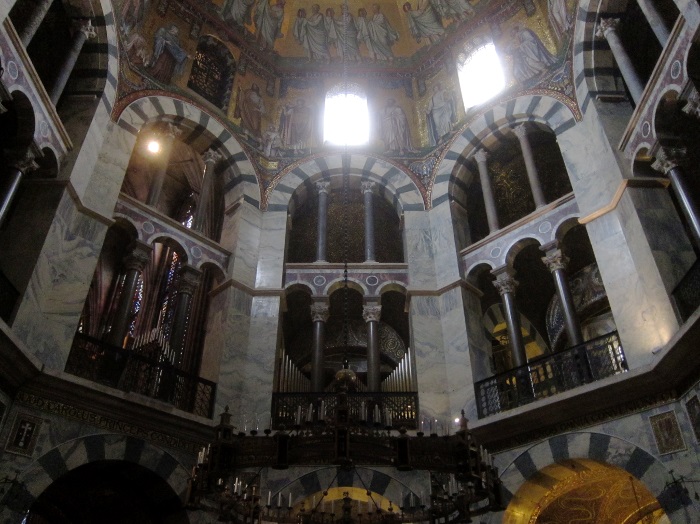
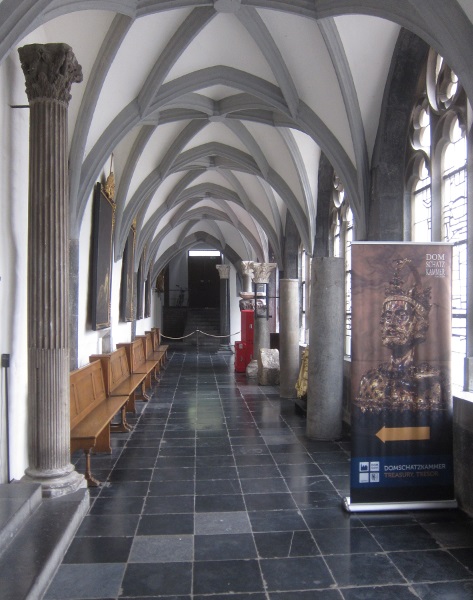
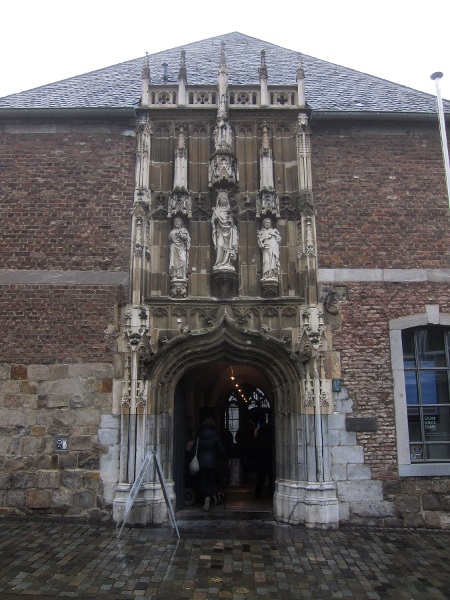
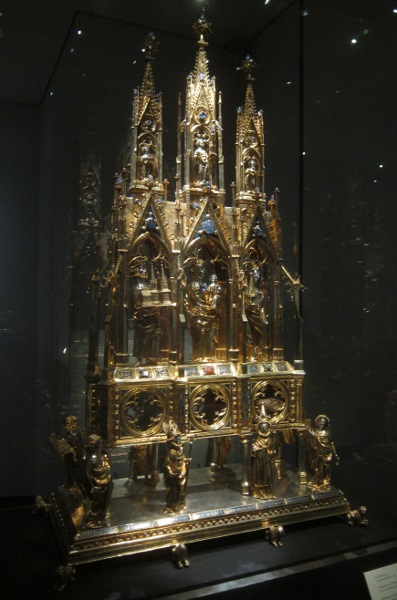
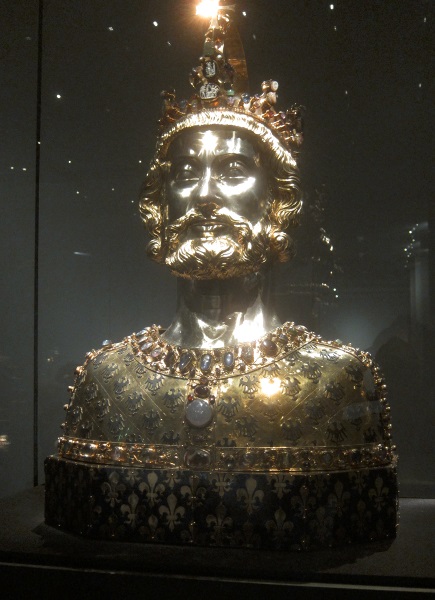
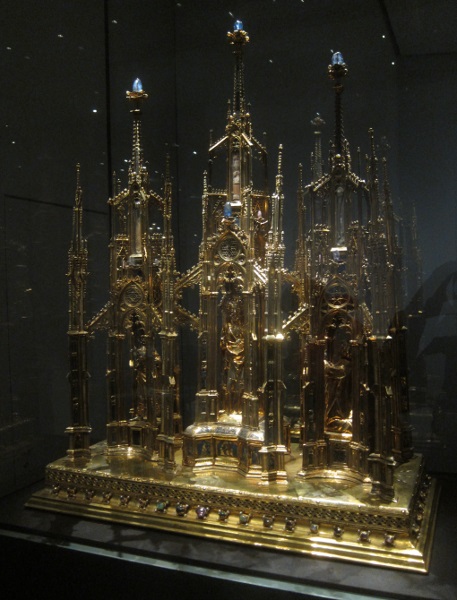
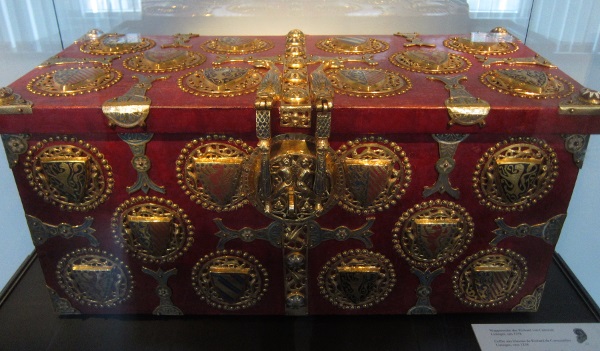
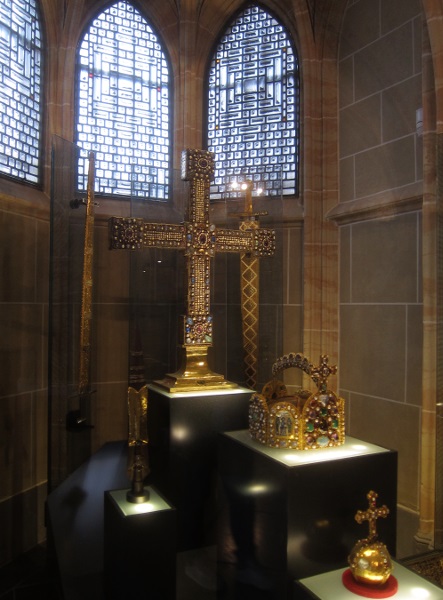
| At the core of Aachen Cathedral lies the octagonal Palatine Chapel, built under Charlemagne around 800 AD. Holy Roman Emperors were crowned there, on the Throne Of Charlemagne, for more than 500 years, using the imperial regalia now kept in Vienna (previously Nuremberg). The chapel takes its form from San Vitale in Ravenna and reuses some Roman columns that may have come from Ravenna or Rome. The gothic choir, with its 25m windows, was added in the late 1300s as a shrine for the relics of Charlemagne, contained in a gilded casket. | ||
 |
 |
 |
 |
 |
 |
 |
 |
 |
 |
 |
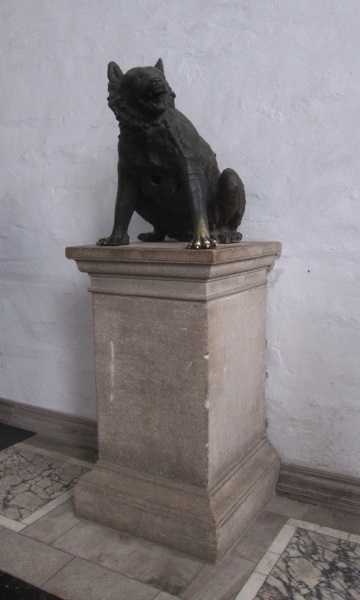 |
| Inside the cathedral behind the central Wolf Door is a bronze statue said to be a she-wolf, although it is in fact a bear dating from the Roman period. One legend says that the devil offered to pay for the completion of the cathedral in exchange for the first living being that entered it. The city's aldermen set out to trick the devil by making sure the first creature to enter the cathedral was a wolf. This wolf was then commemorated by the statue and the wolf's head on the bronze doors of the cathedral. | ||
 |
 |
 |
 |
 |
 |
 |
 |
 |
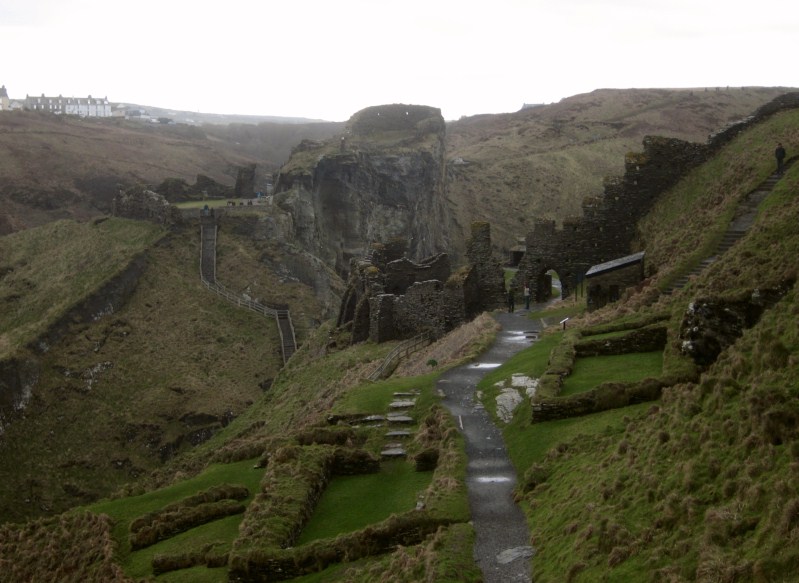
| Richard Of Cornwall was the son of King John (of England) and the builder of Tintagel Castle. His connection to Aachen comes from his election (and coronation) as King Of The Romans, though he never became the Holy Roman Emperor. | ||
 |
 |
 |
 |
 |
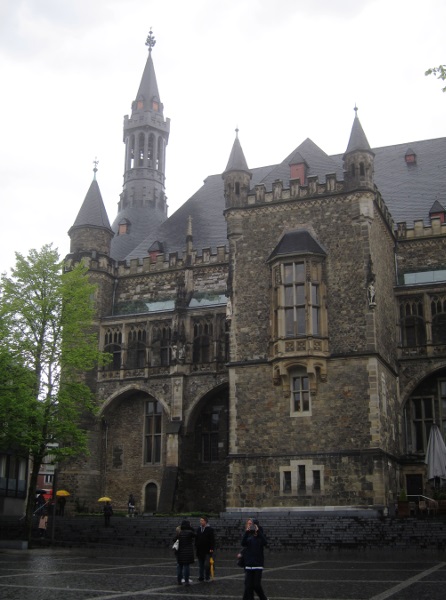 |
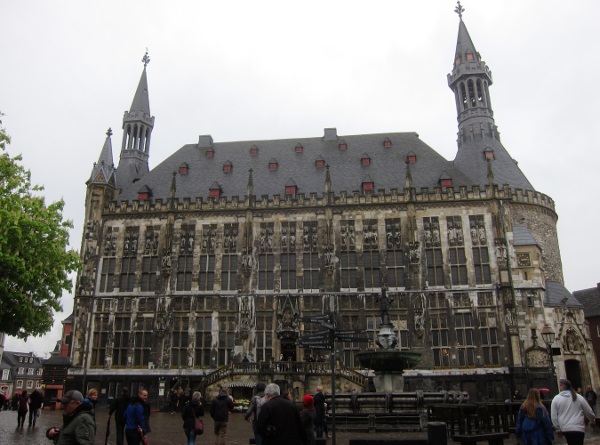
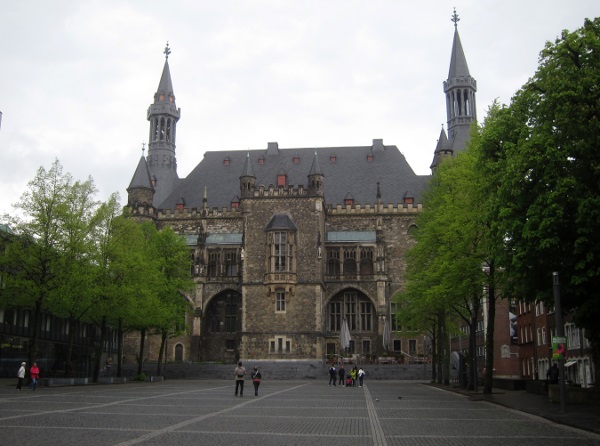
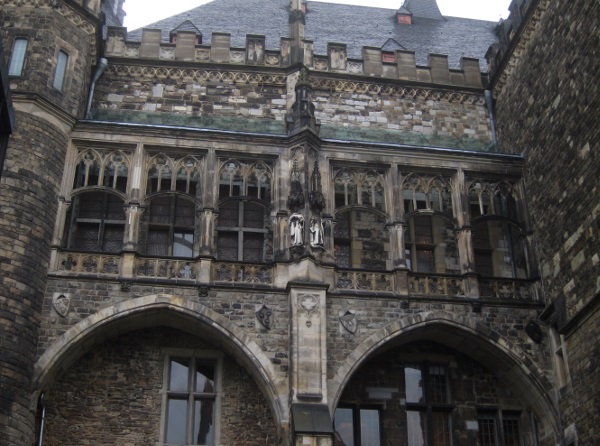
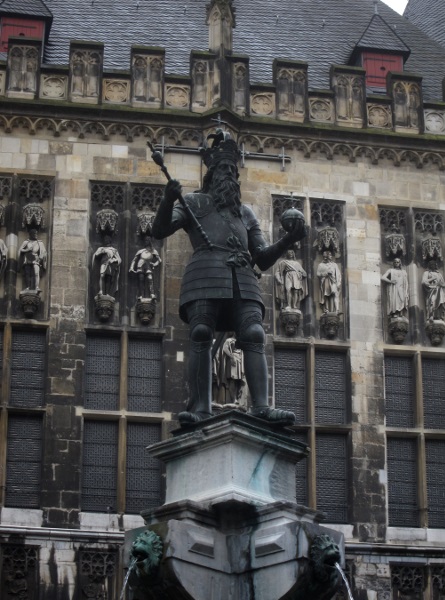
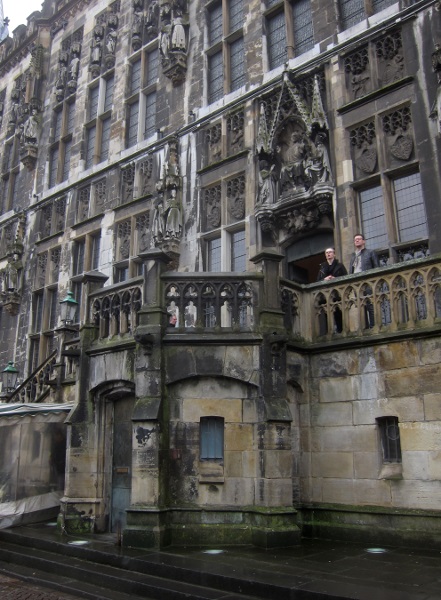
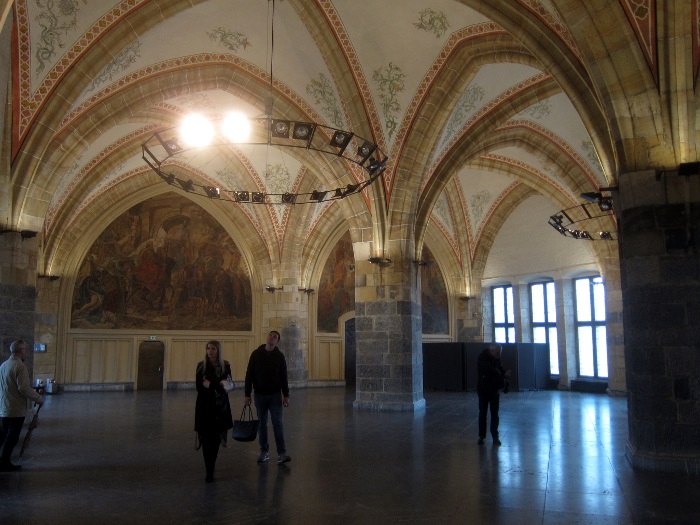
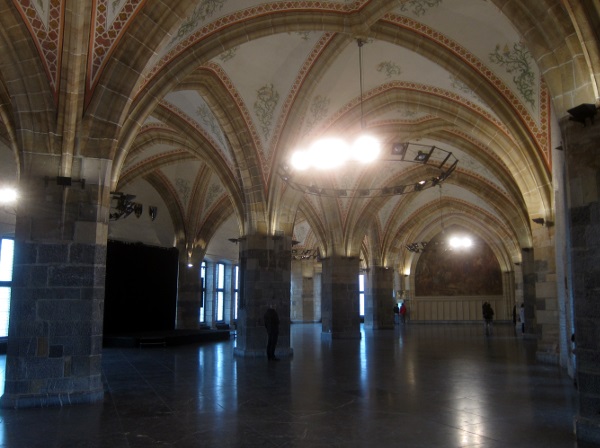
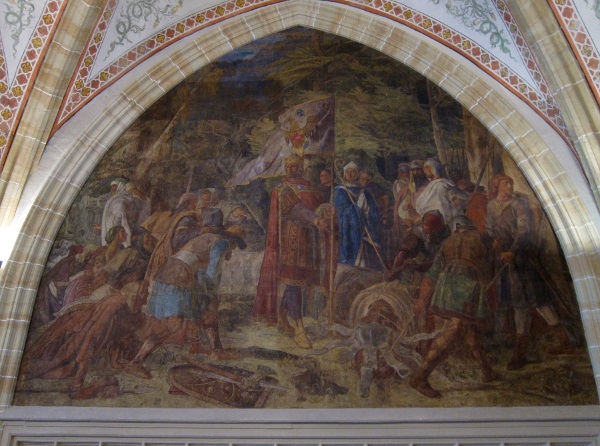
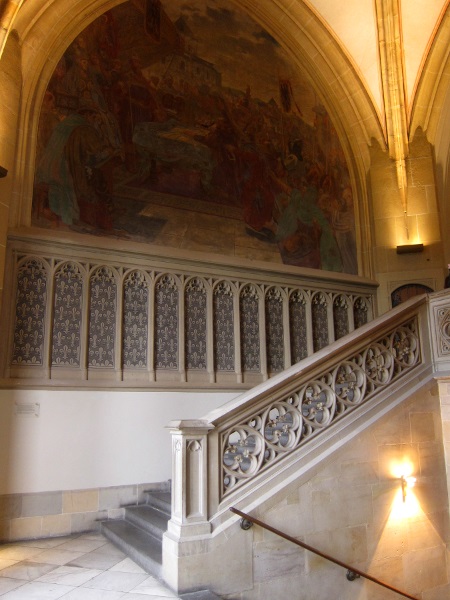
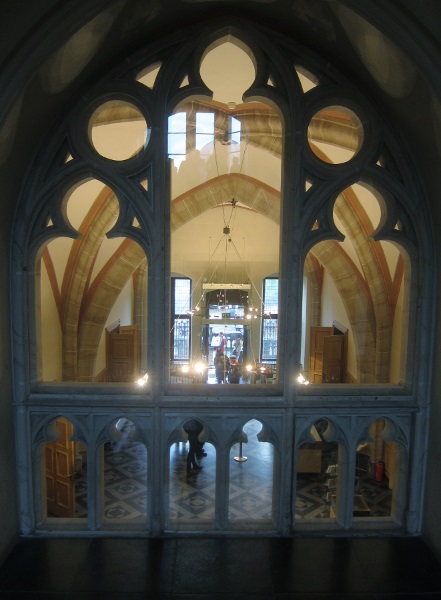
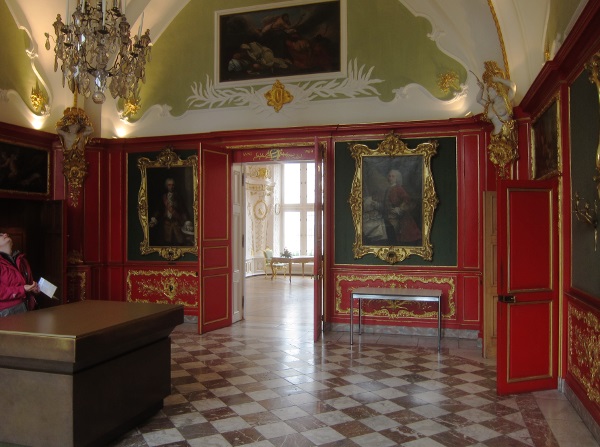
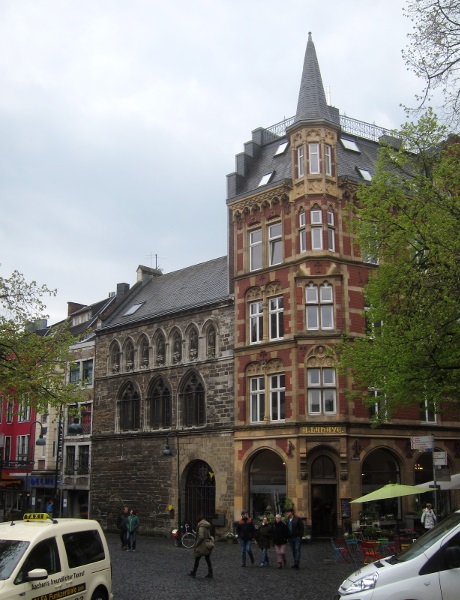
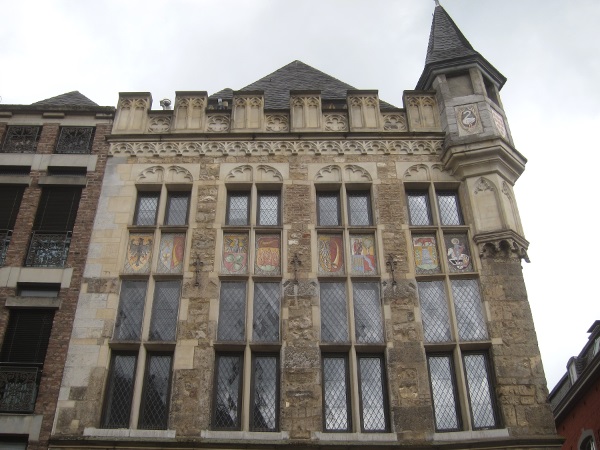
| Repeatedly damaged in the trials of history, the town hall (c. 1330) sits over the ruins of Charlemagne's palace (of which the Palatine Chapel was a part). | ||
 |
 |
 |
 |
 |
 |
 |
 |
 |
 |
 |
 |
 |
 |
 |
 |
 |
 |
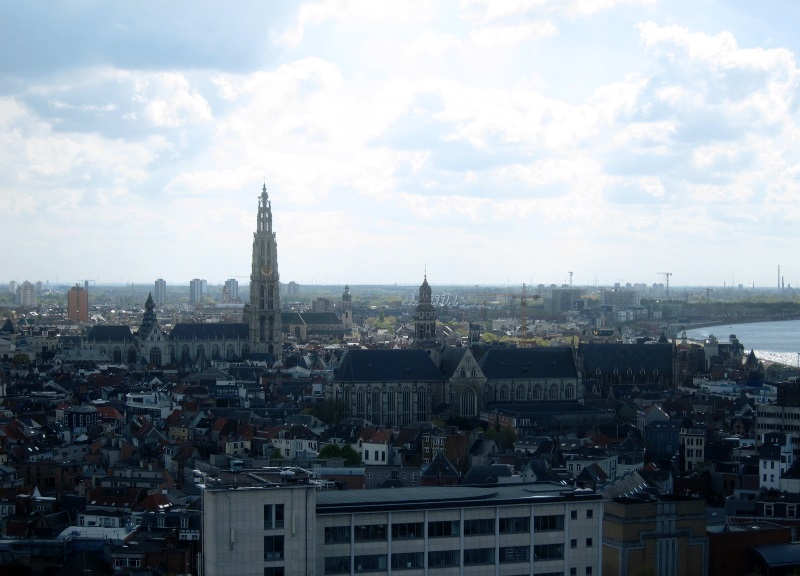
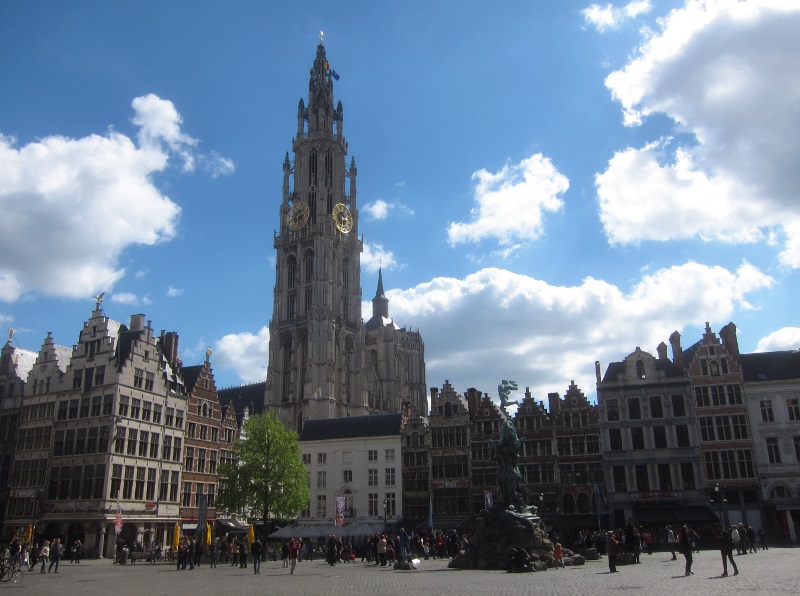
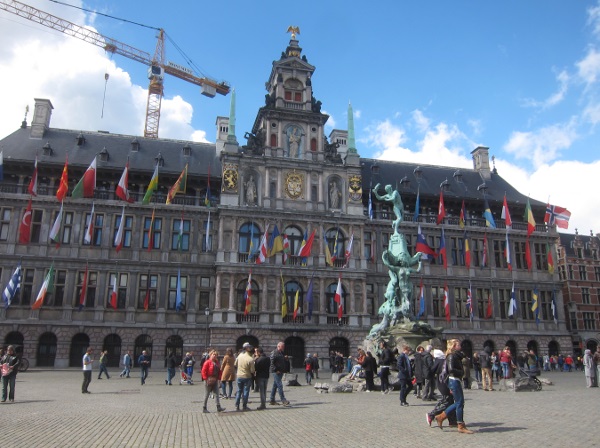
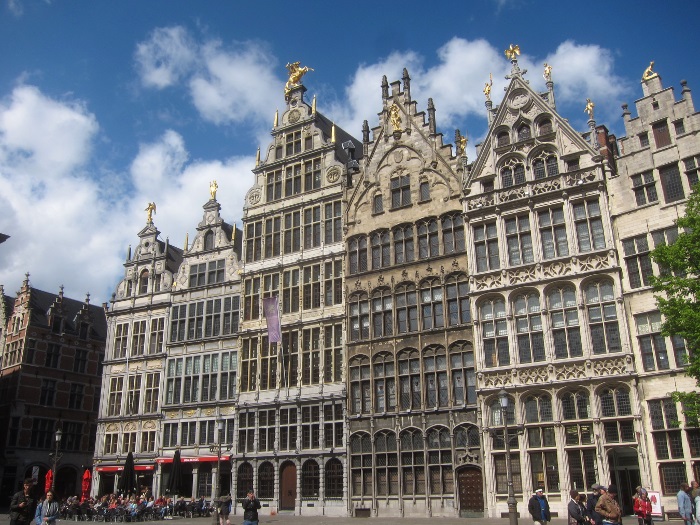
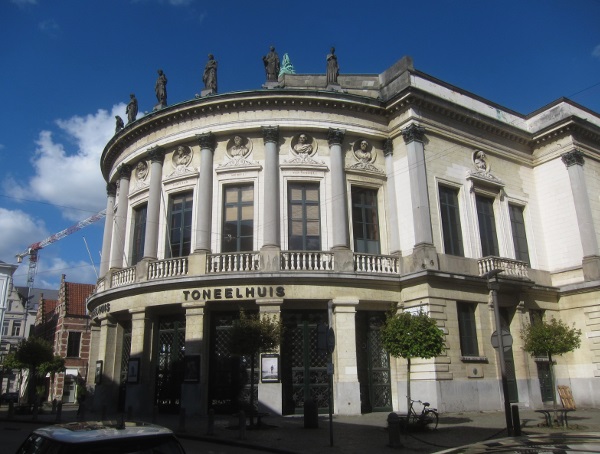
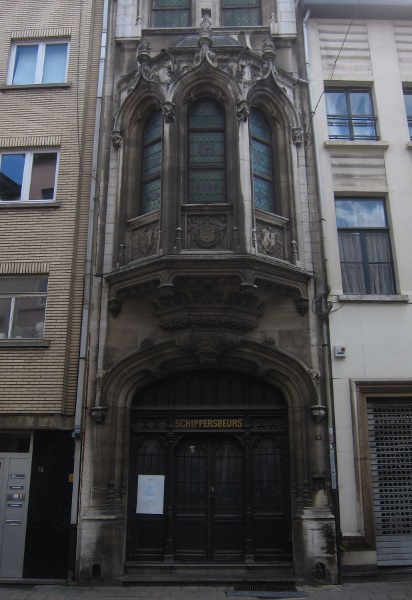
Antwerp is surprisingly full of treasures, and perhaps it would be better known were it not drenched with rain coming off the Channel.
 |
||
 |
 |
|
 |
 |
|
 |
 |
 |
 |
 |
 |
 |
 |
 |
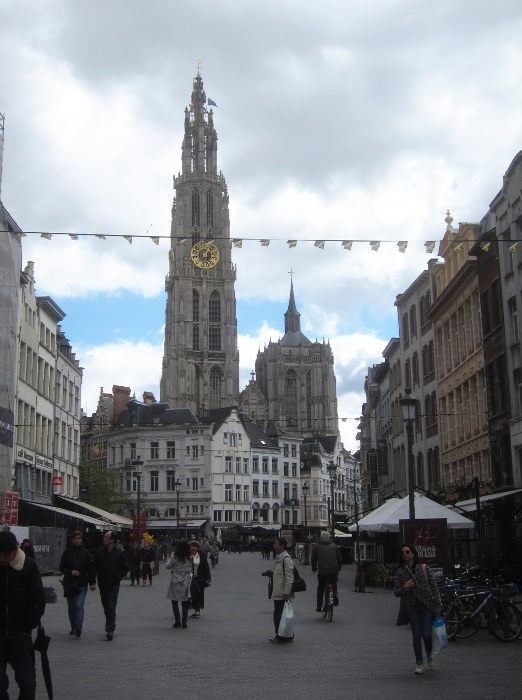
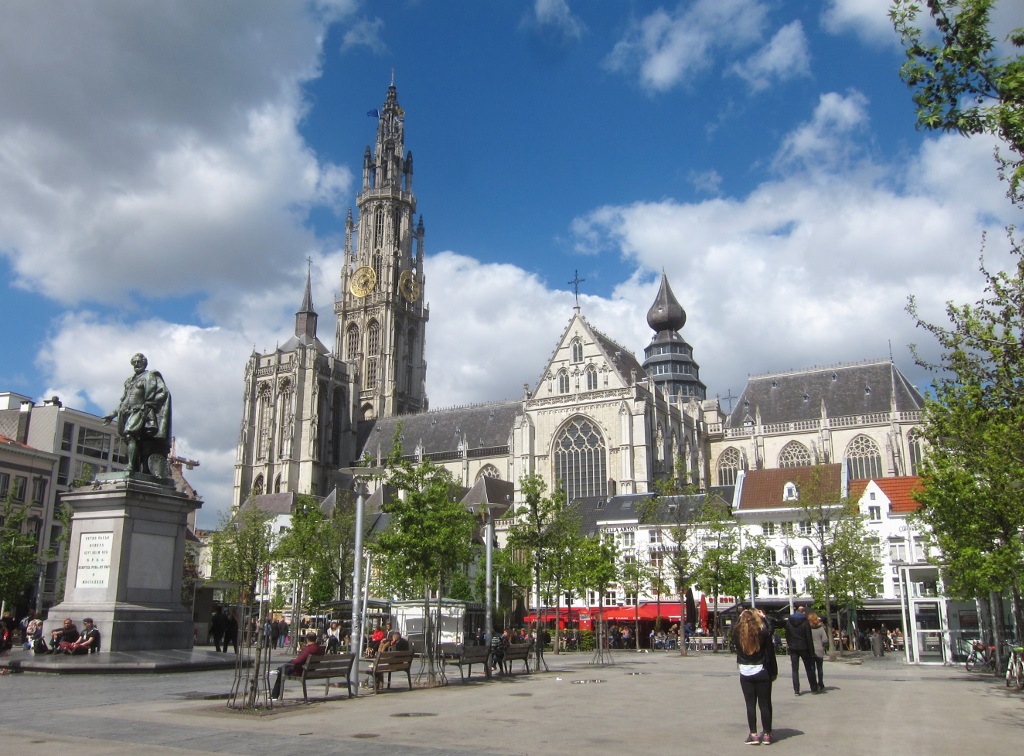
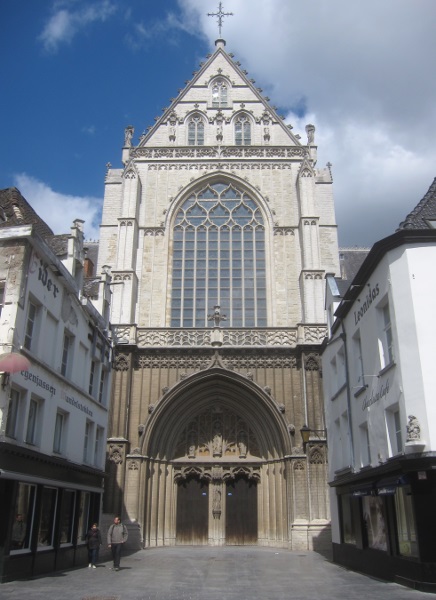
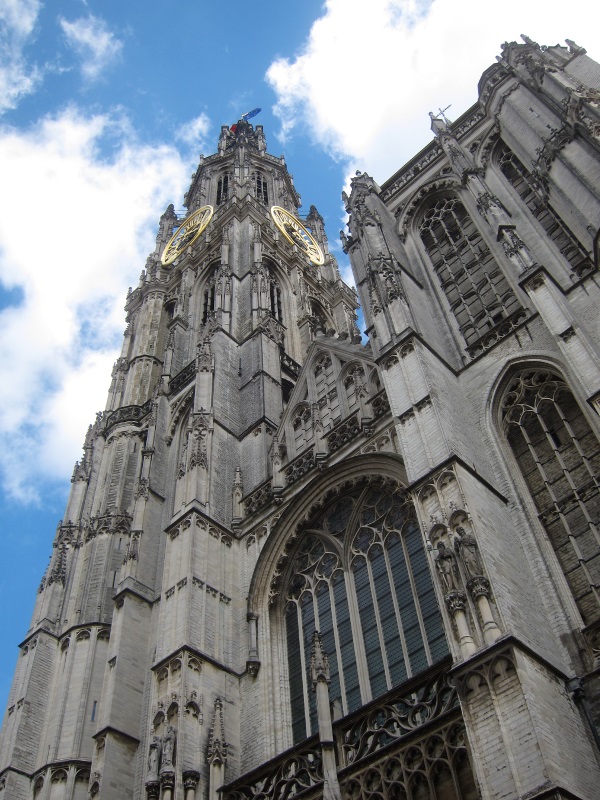
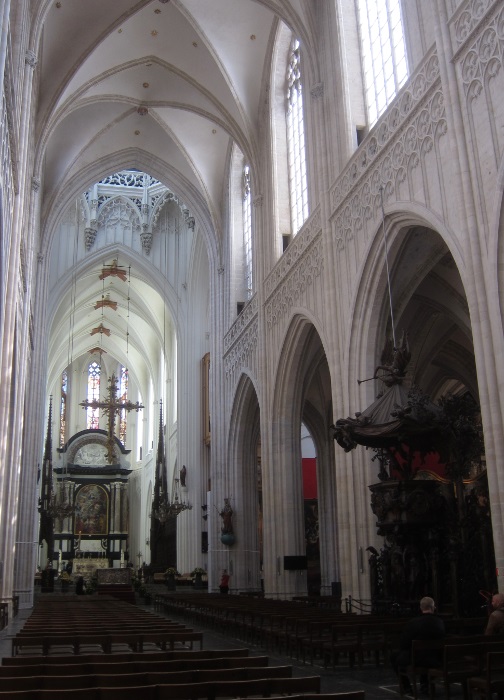
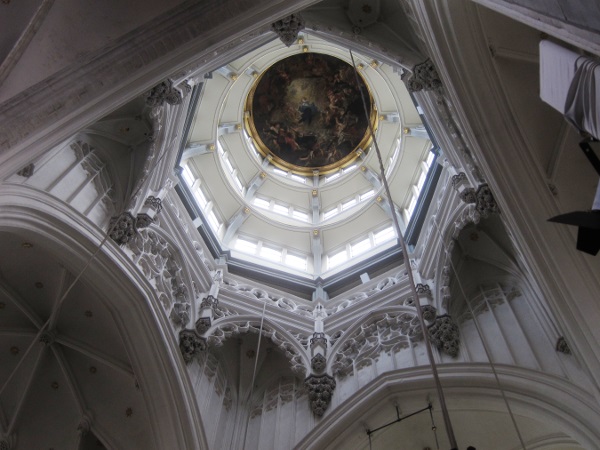
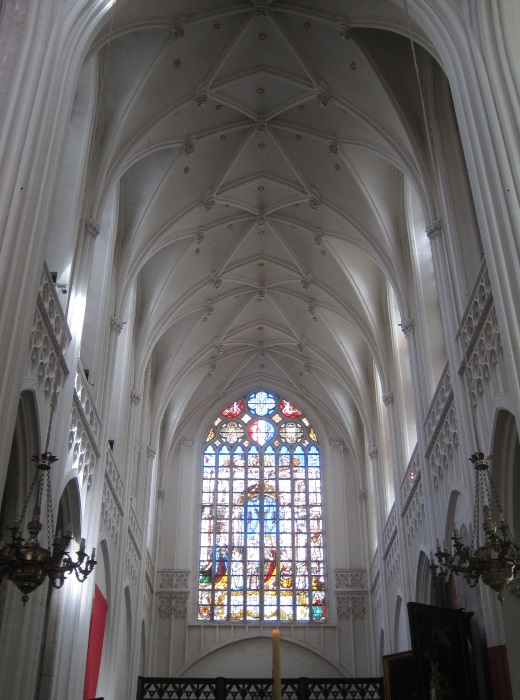
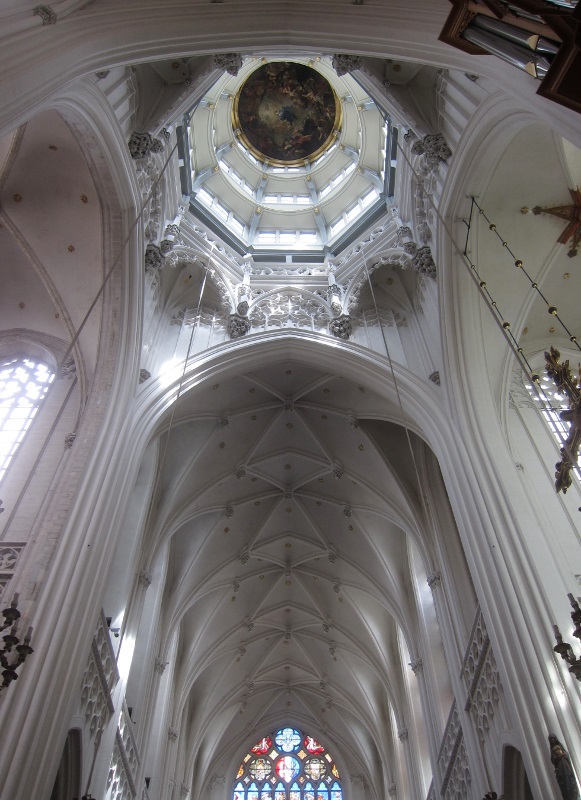
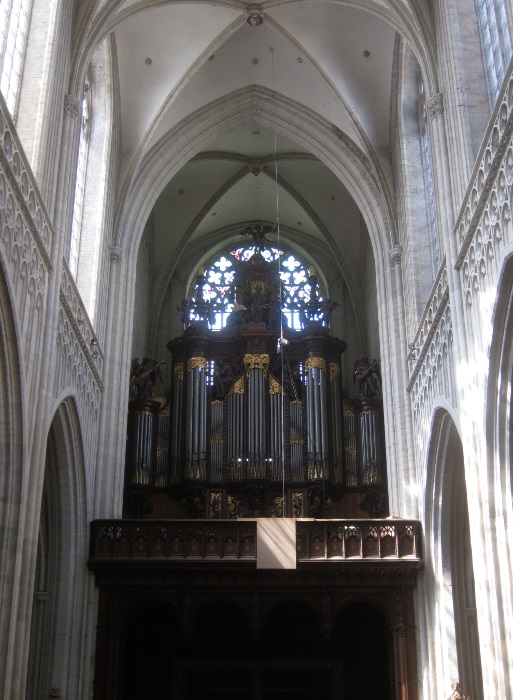
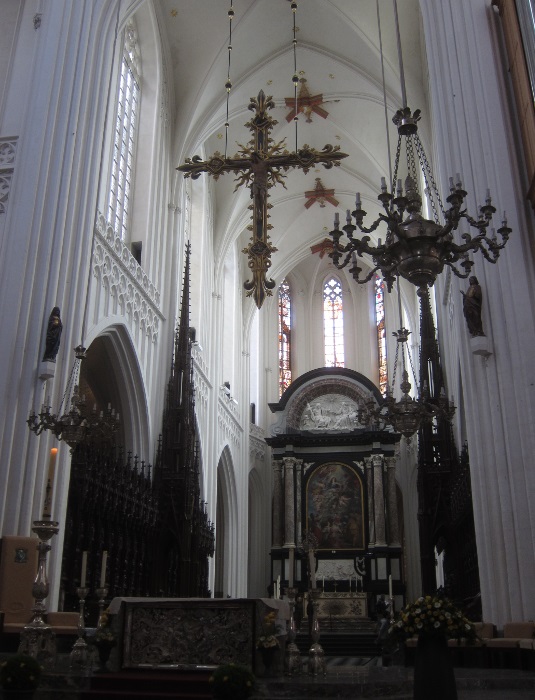
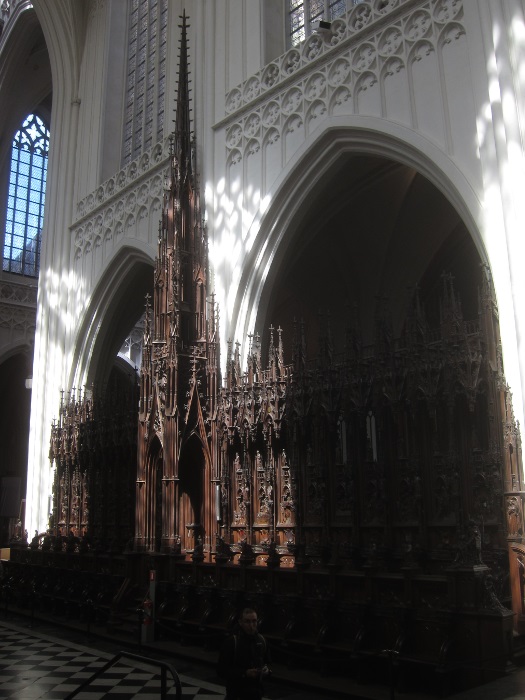
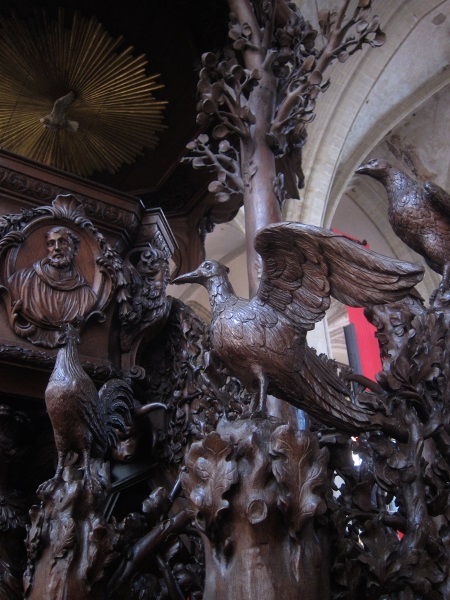
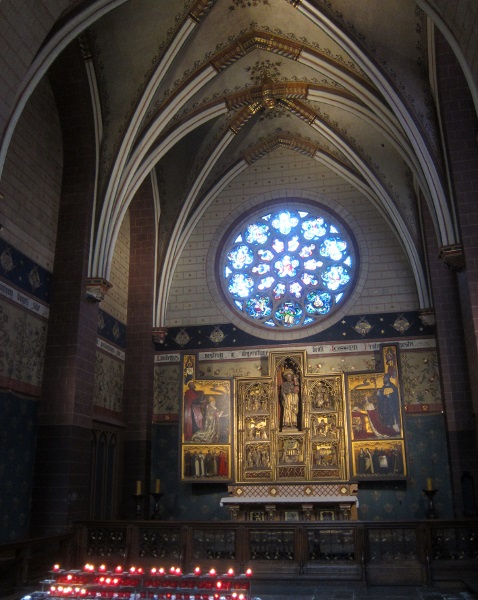
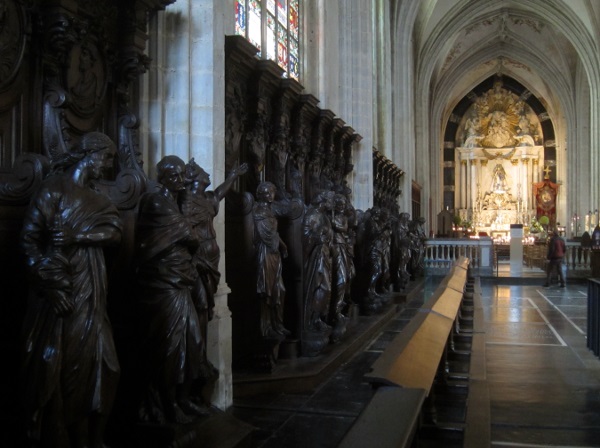
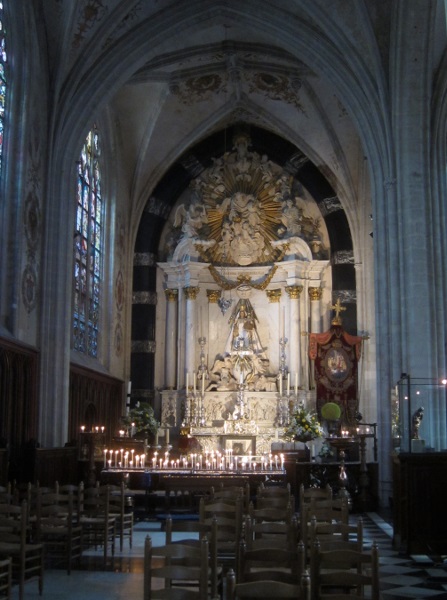
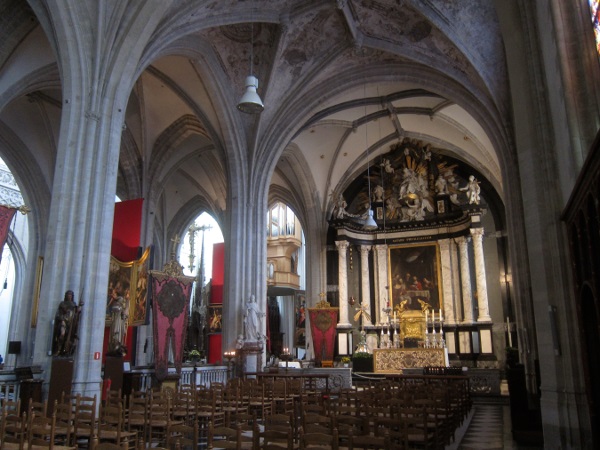
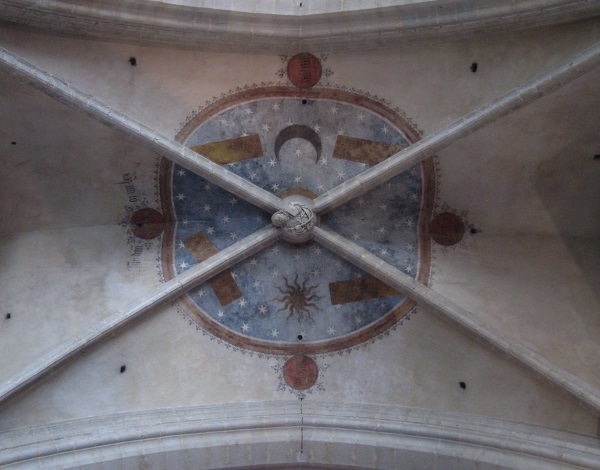
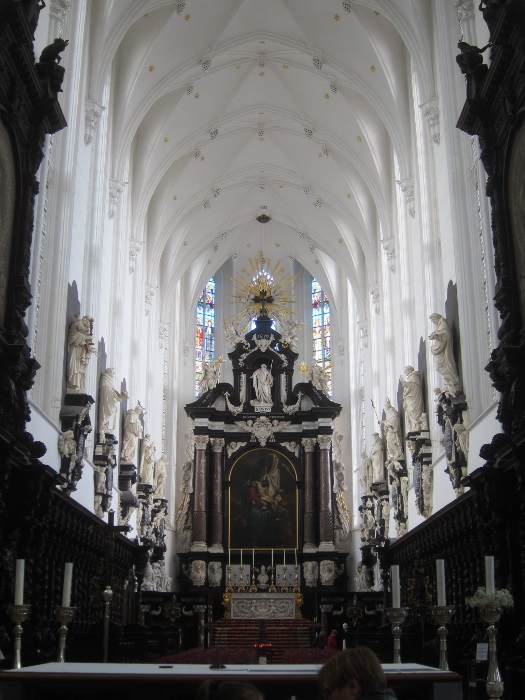
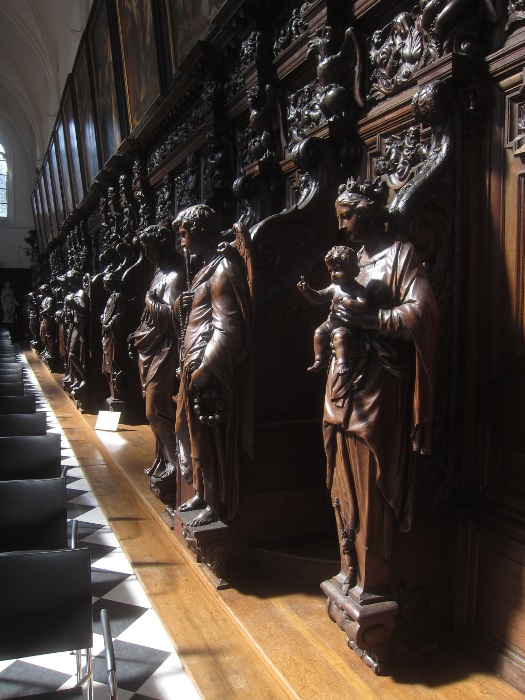
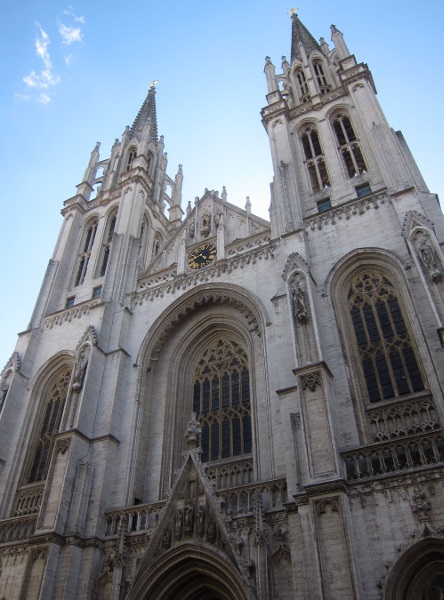
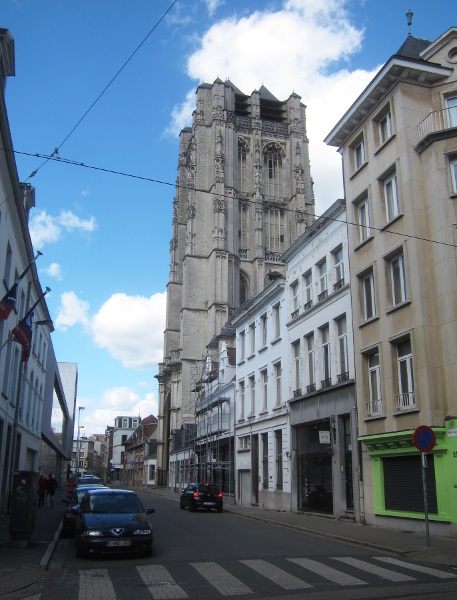
| Most of the extant cathedral dates from the 1400s, with the towers being completed by 1520. The later work was designed by Everaet Spoorwater, Herman & Dominicus De Waghemakere and Matheus II & Rombout II Keldermans. The Keldermans family also worked at Mechelen (below), Ghent and Brussels. | ||
 |
 |
 |
 |
 |
 |
 |
 |
 |
 |
 |
 |
 |
 |
 |
 |
 |
 |
 |
 |
 |
 |
 |
 |
 |
 |
 |
 |
 |
 |
 |
 |
 |
 |
 |
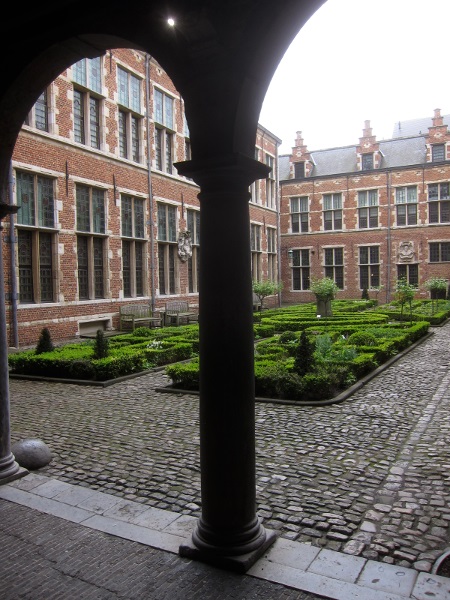 |
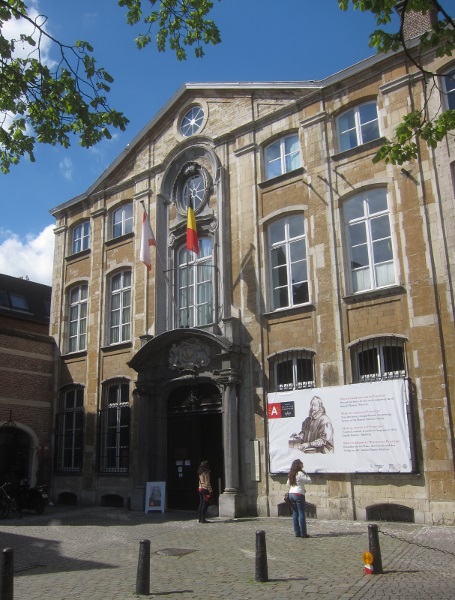
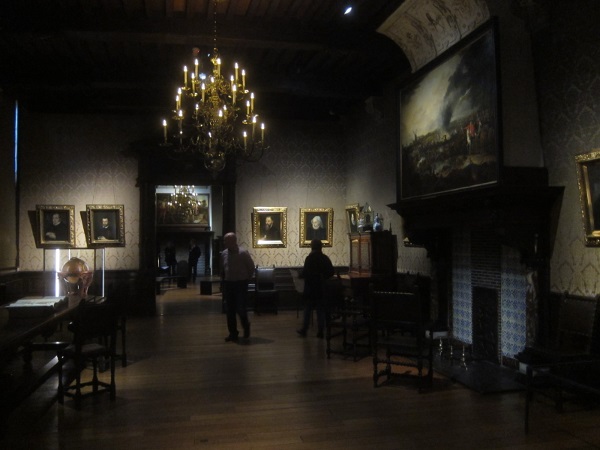
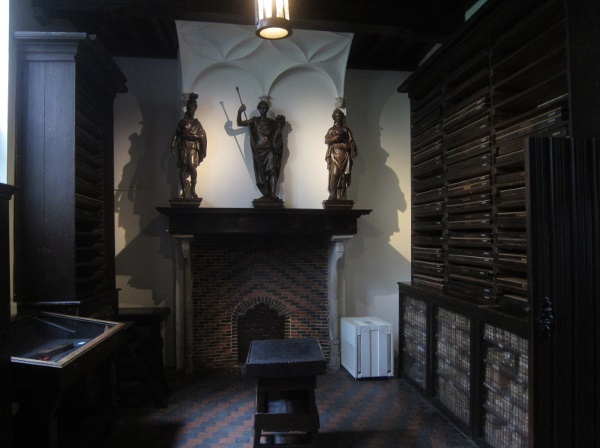
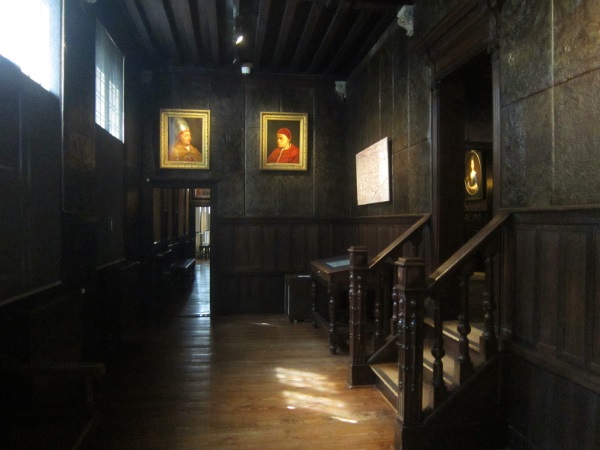
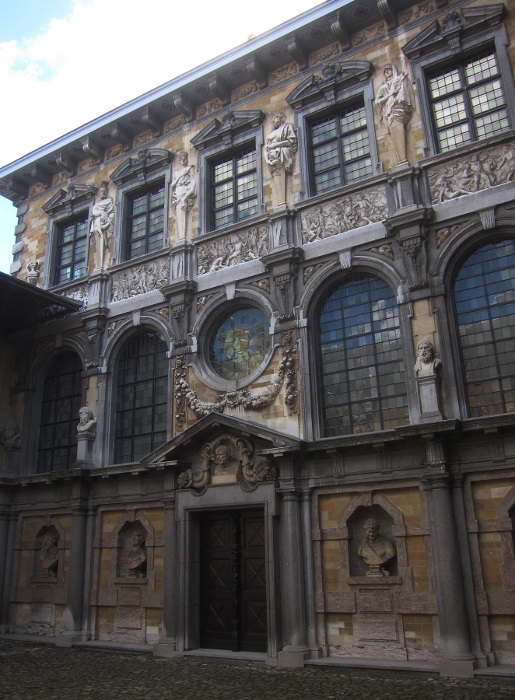
| The former Plantin Press is heaven for a bibliophile: printing presses, cases of metal type, pretty buildings and countless beautiful old books. It was established by Christophe Plantin in 1555 and continued publishing until 1867, when it became a museum. | ||
 |
 |
 |
 |
 |
 |
 |
 |
 |
 |
 |
 |
 |
 |
 |
 |
 |
 |
 |
 |
 |
 |
 |
 |
 |
 |
 |
 |
 |
 |
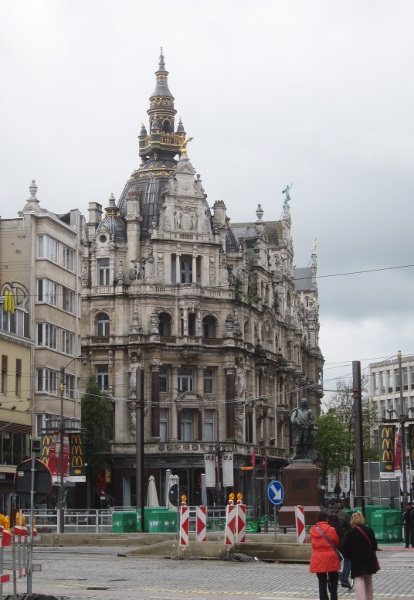
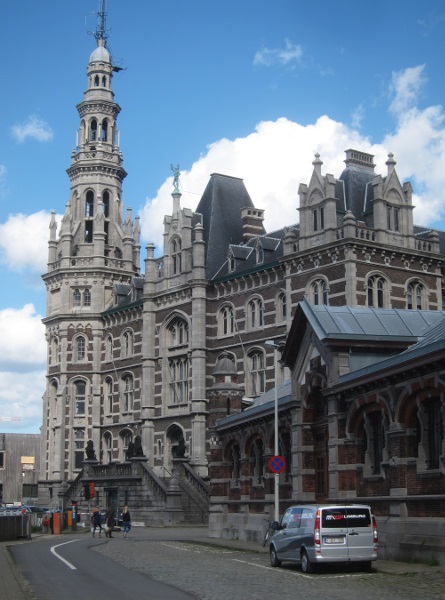
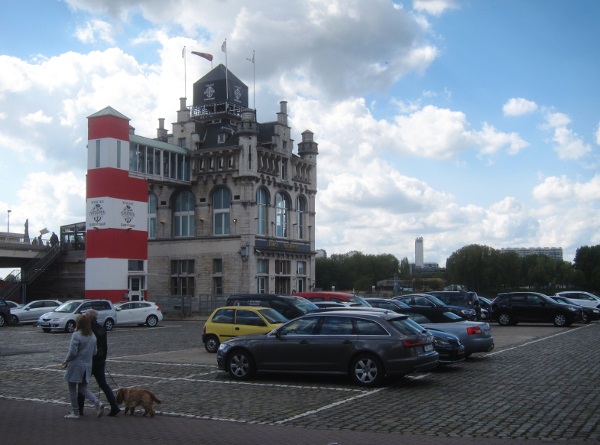
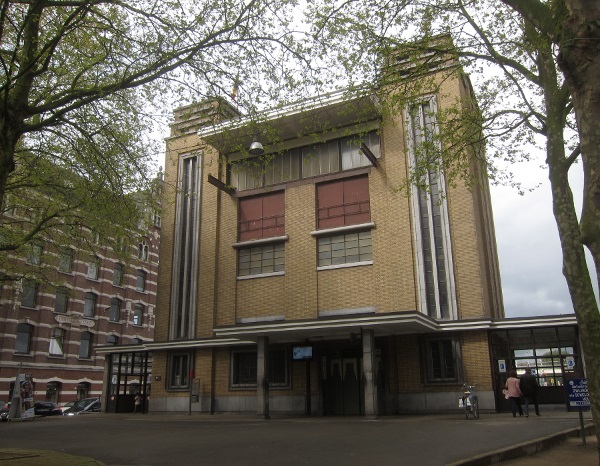
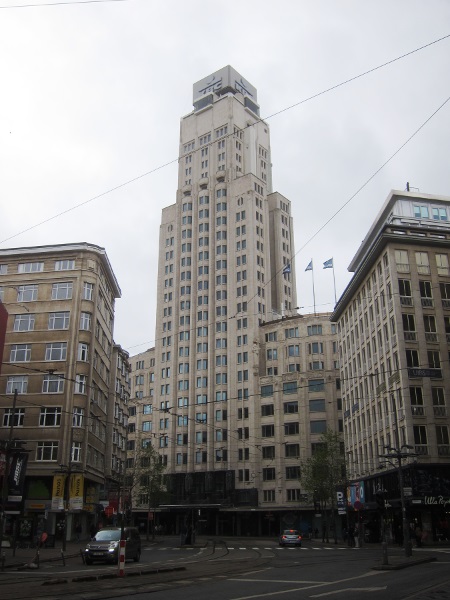
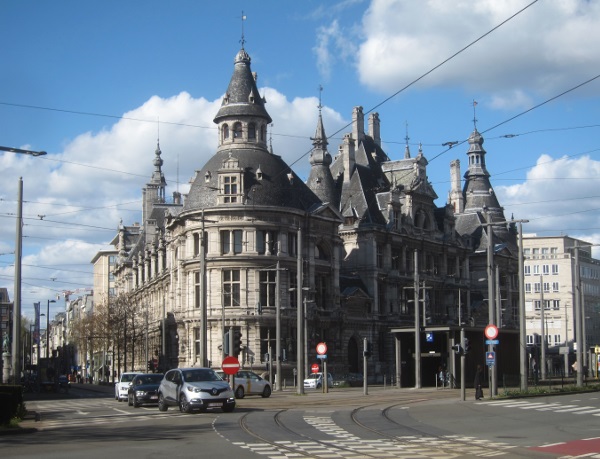
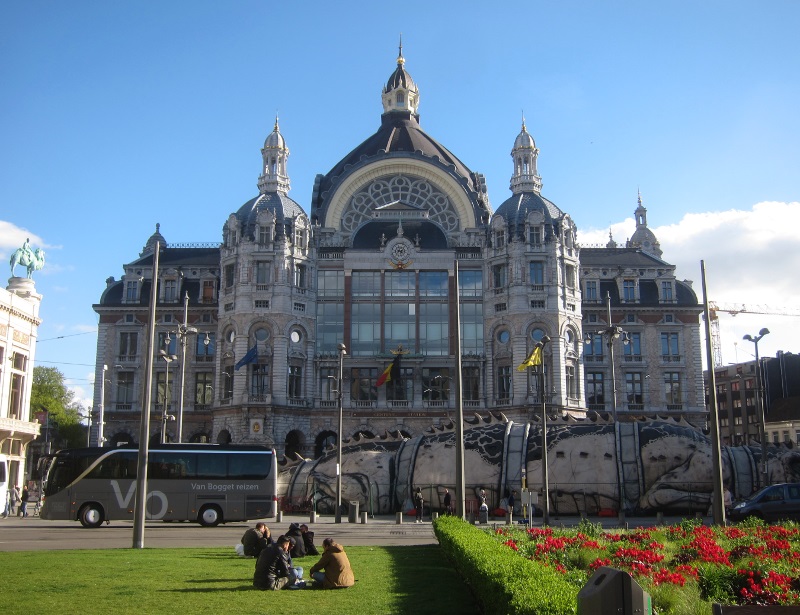
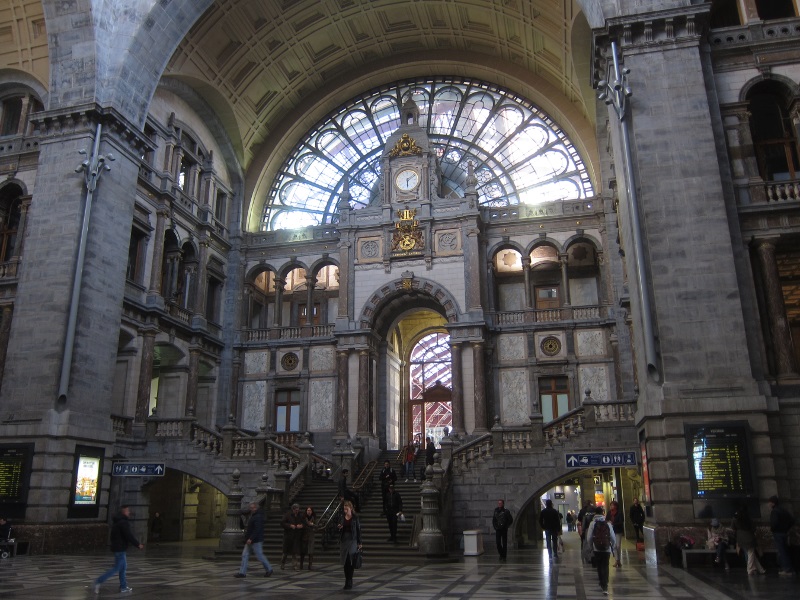
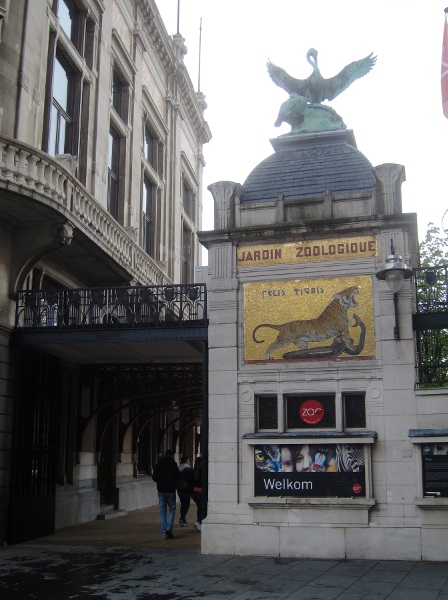
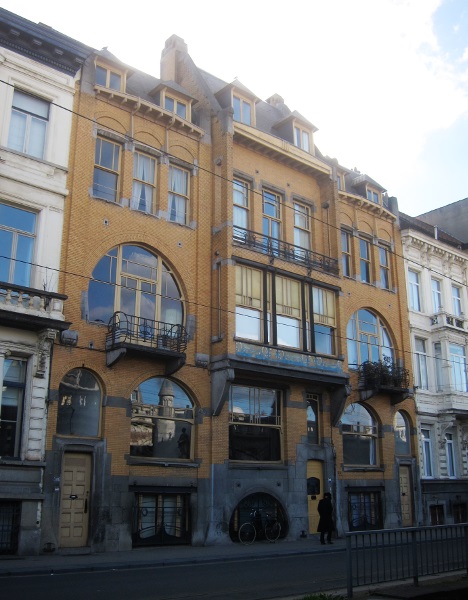
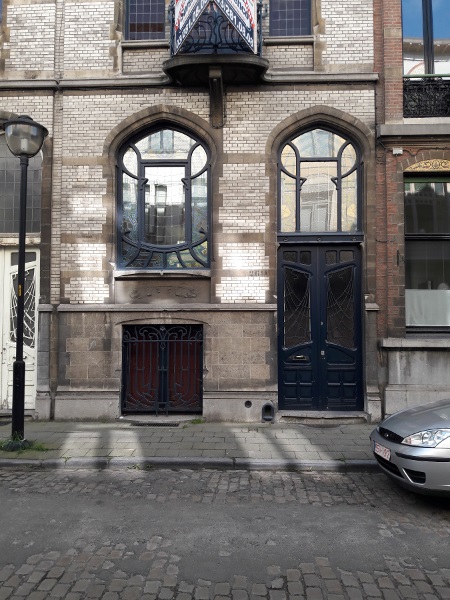
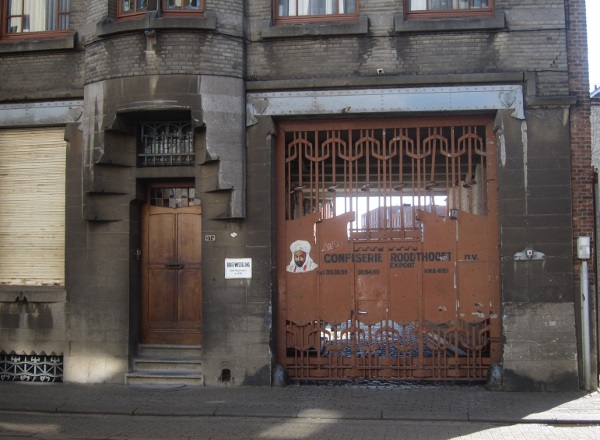
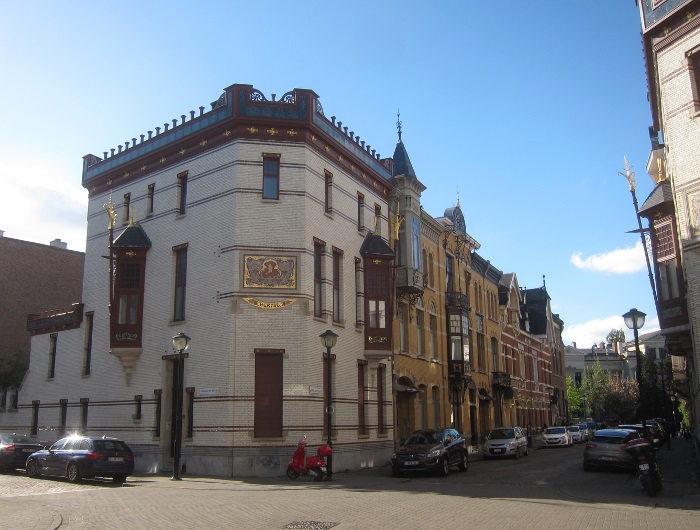
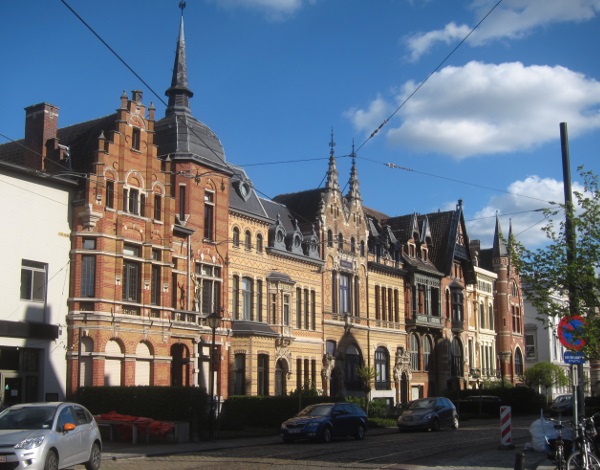
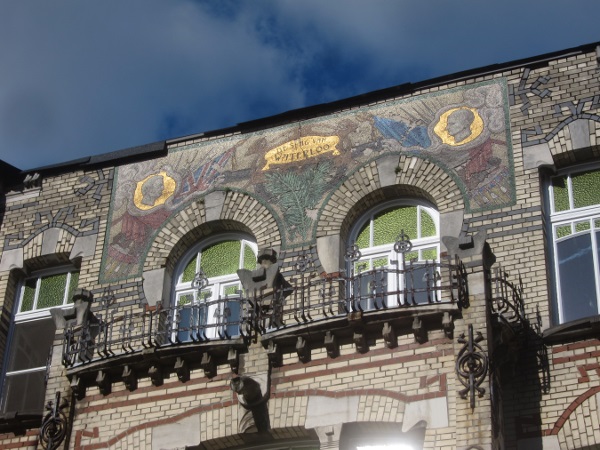
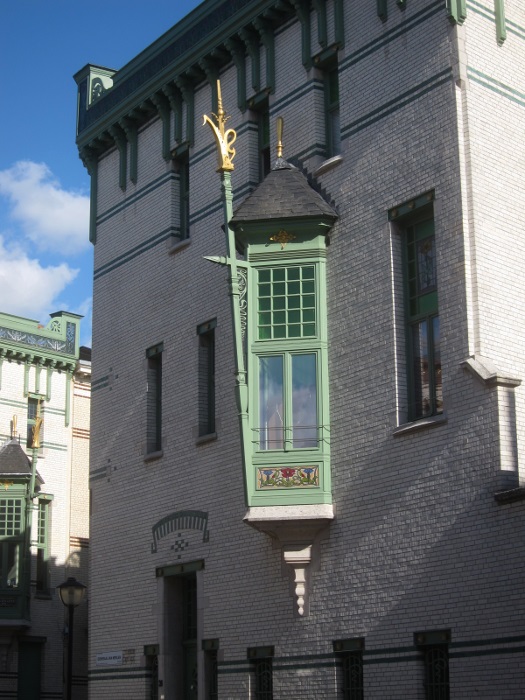
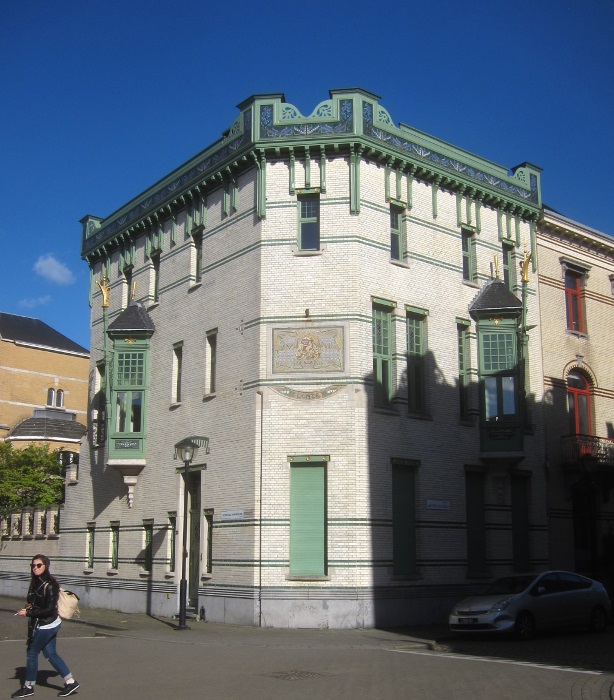
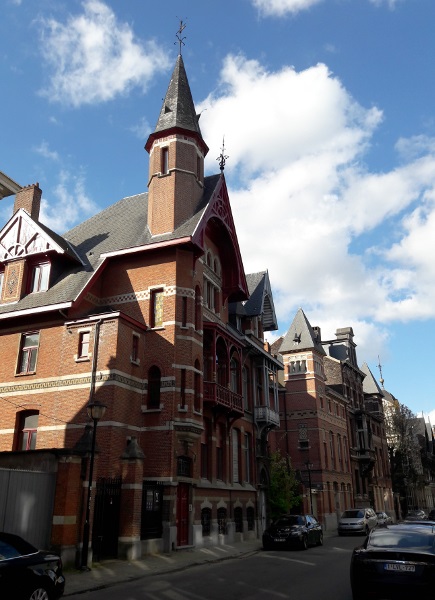
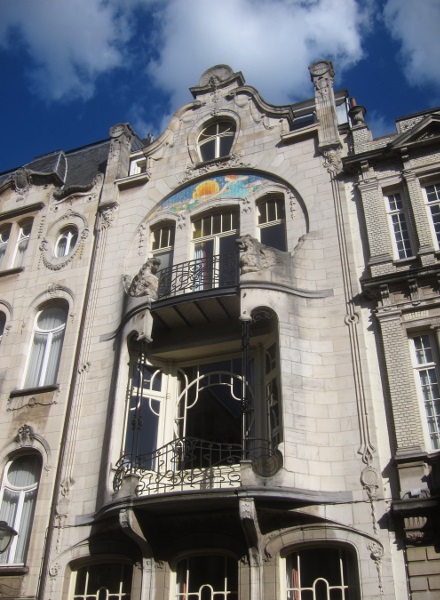
| If one follows the railway viaduct from Central Station - one of the greatest stations in the world - it leads to an area called Zurenborg, filled with dozens of wonderful art nouveau houses. | ||
 |
 |
 |
 |
 |
 |
 |
 |
 |
 |
 |
 |
 |
 |
 |
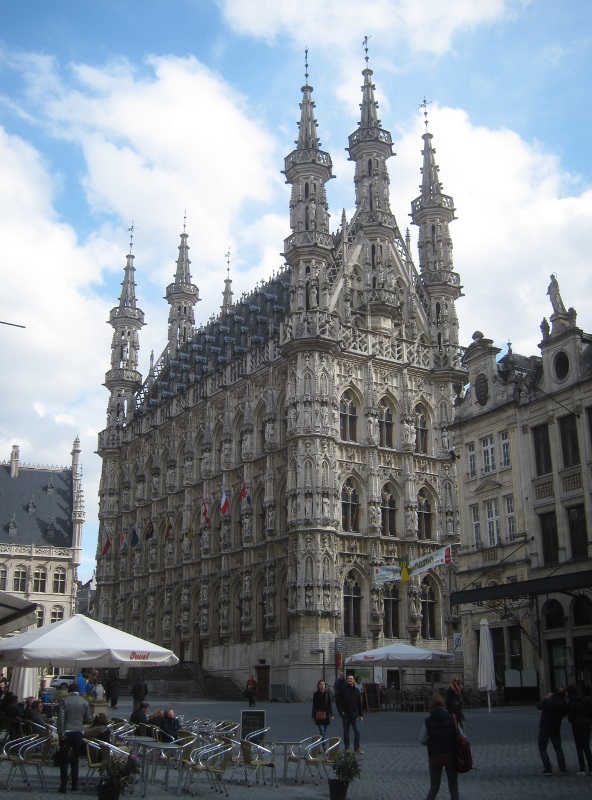
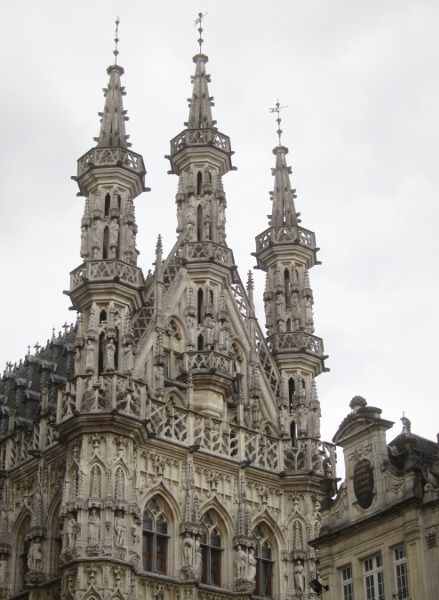
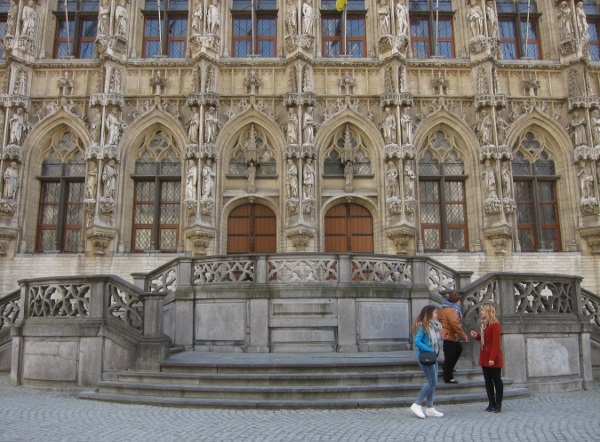
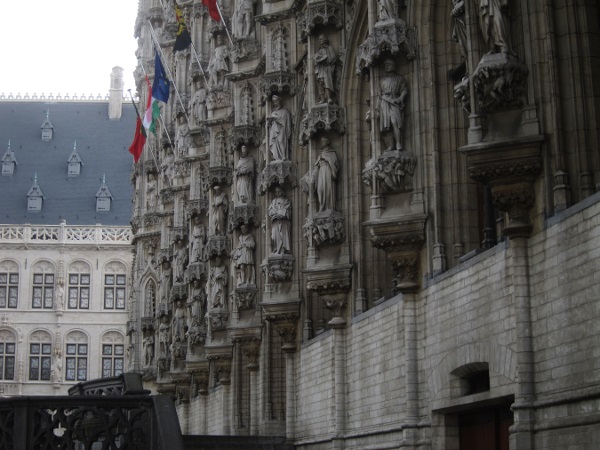
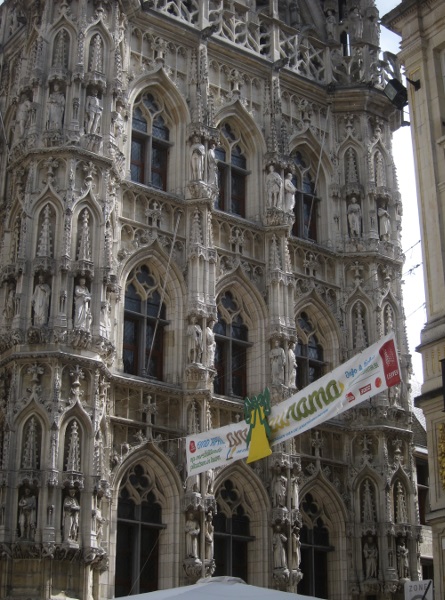
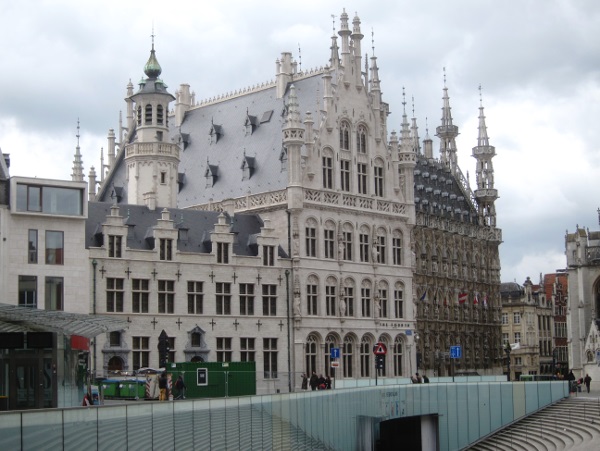
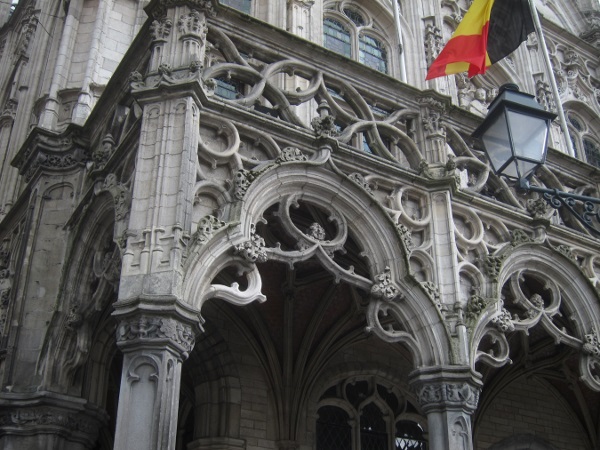
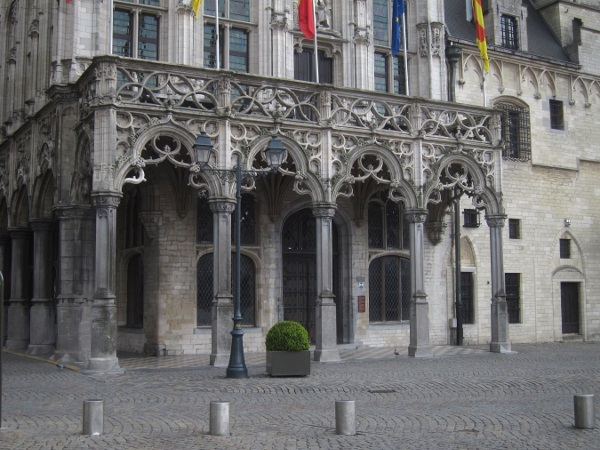
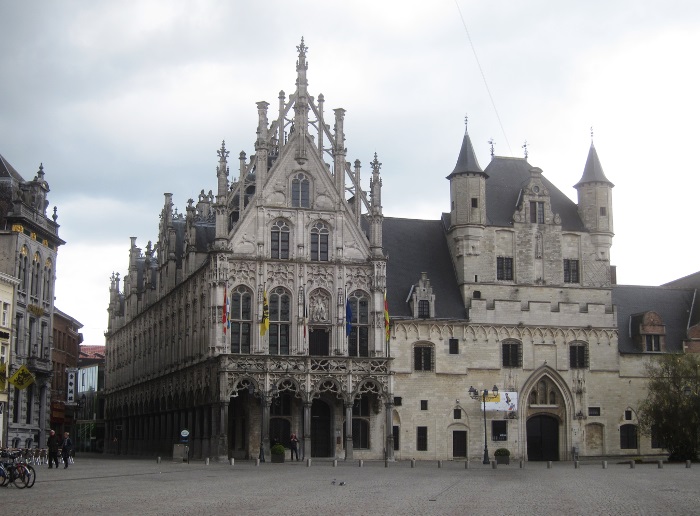
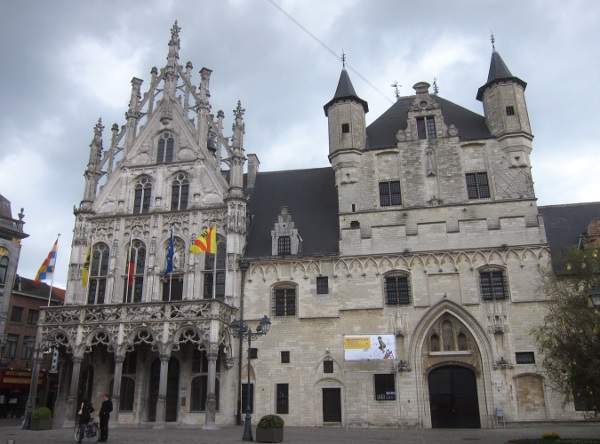
Leuven (Louvain) has possibly the best of the great medieval town halls; a least on a par with Bruges and Brussels.
 |
 |
 |
 |
 |
 |
 |
 |
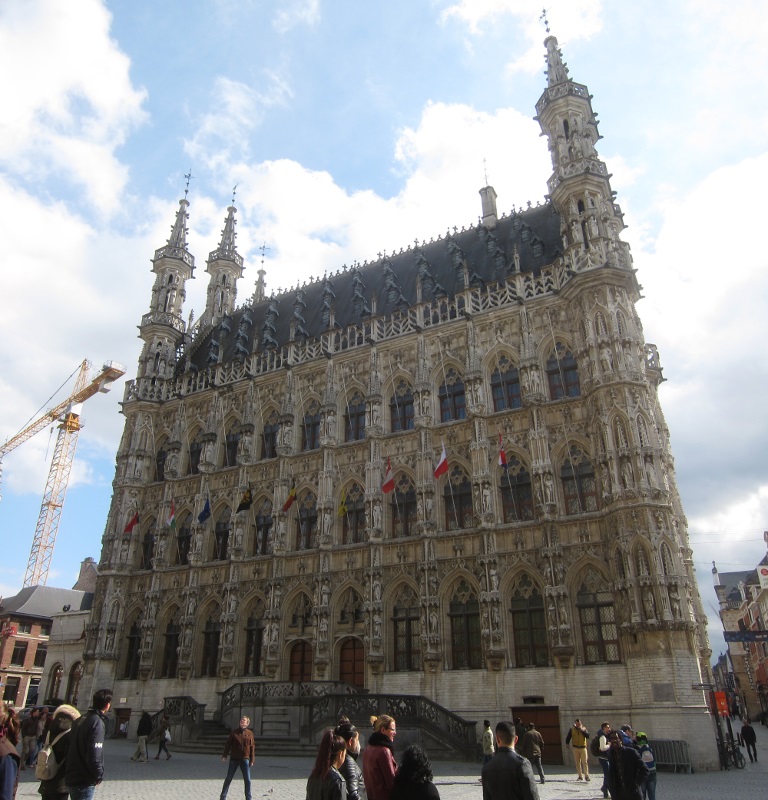 |
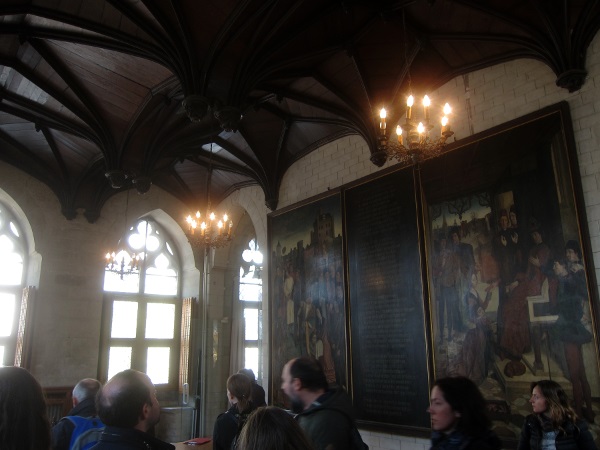
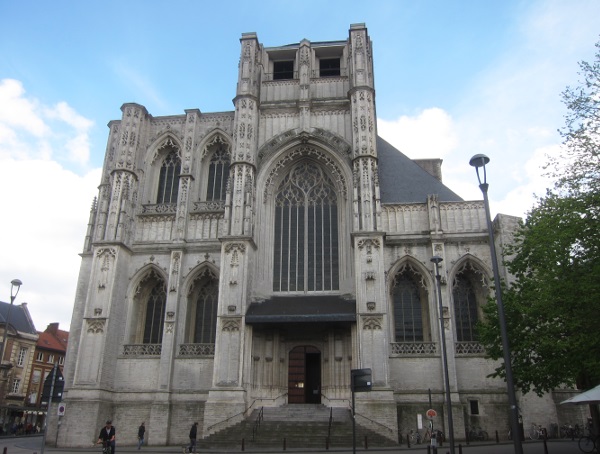
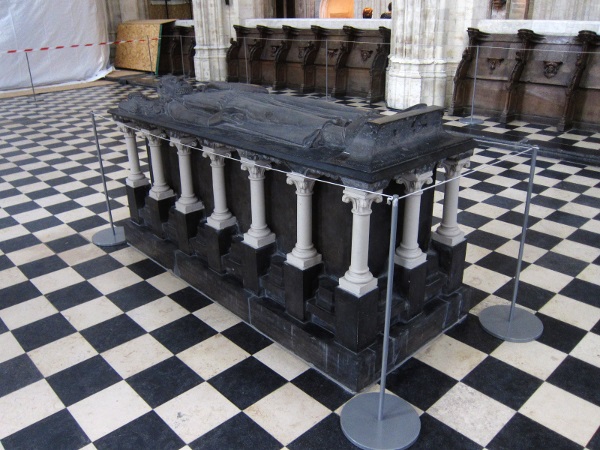
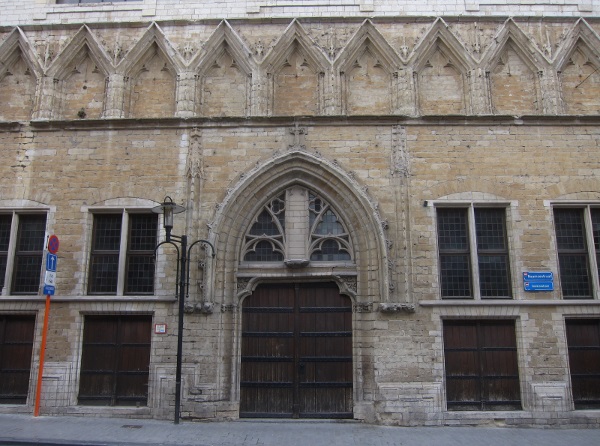
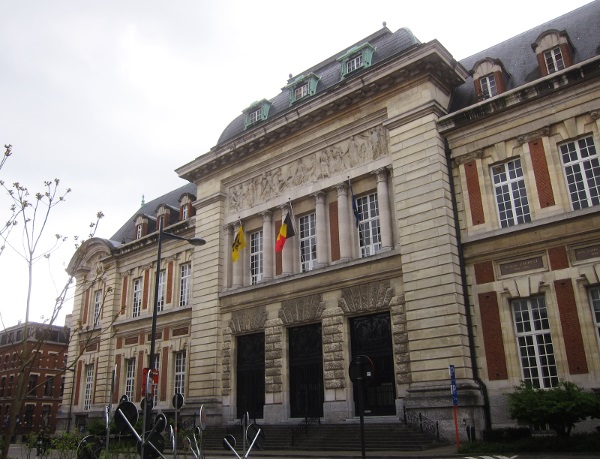
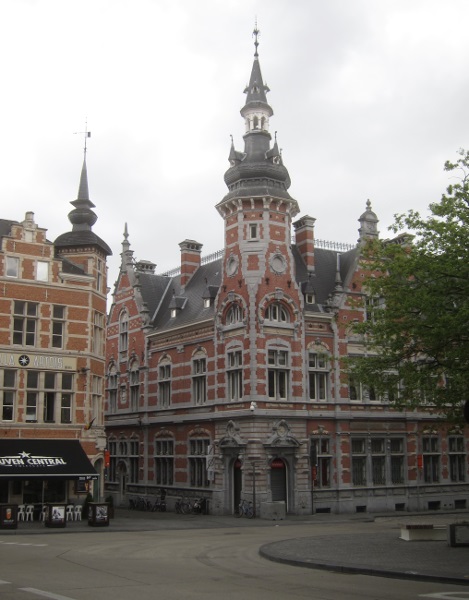
| Leuven Town Hall (begun in 1439) was largely built by Matheus De Layens, who had studied under one of the Keldermans. He also designed the Round Table building and parts of St. Peter's Church. | ||
 |
 |
 |
 |
 |
 |
 |
 |
 |
 |
 |
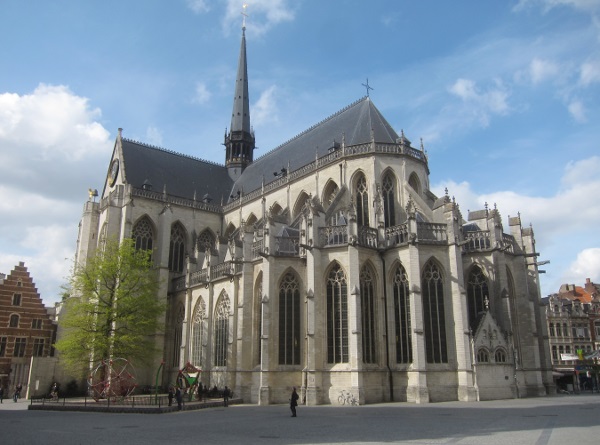 |
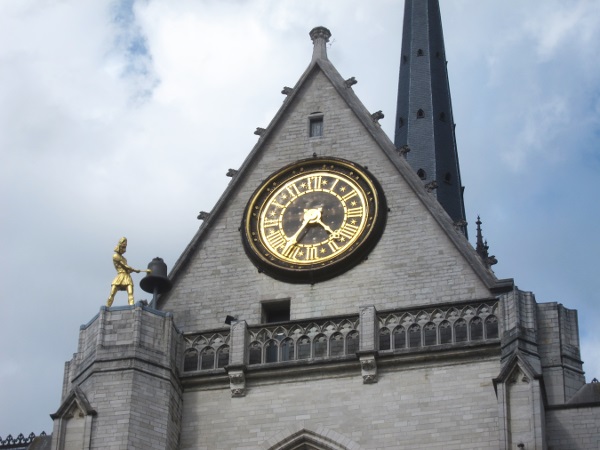
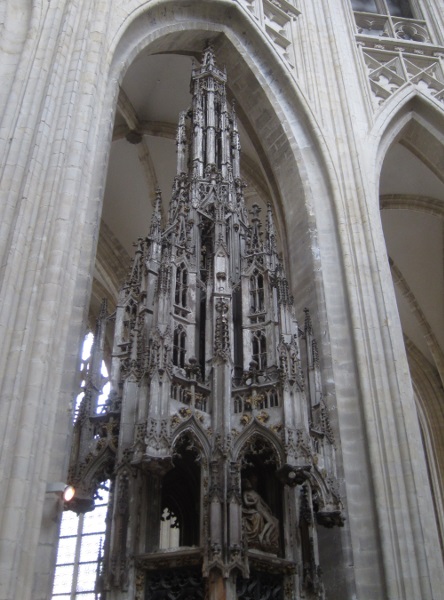
| Like Mechelen Cathedral (below), St. Peter's is incomplete. Joost Matsys designed a vast triple-spired façade in 1505 which would have made it the tallest church tower in the world - just 3m taller than the Mechelen design. | ||
 |
 |
 |
 |
 |
 |
 |
 |
 |
 |
 |
 |
 |
 |
 |
 |
 |
 |
 |
 |
 |
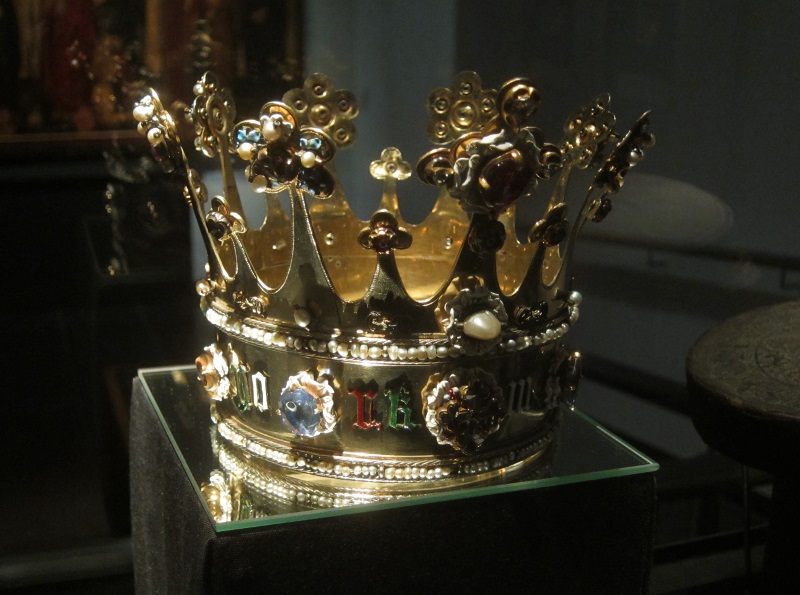
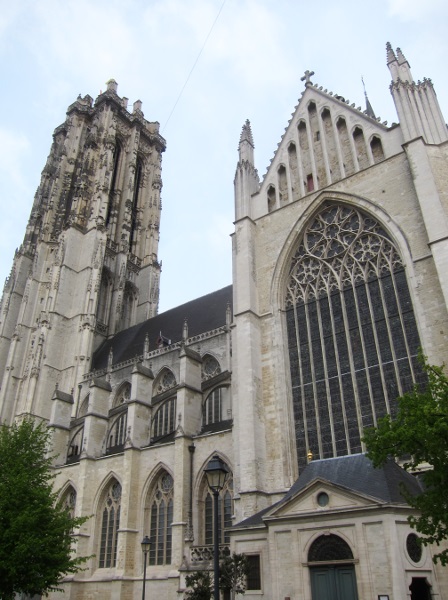
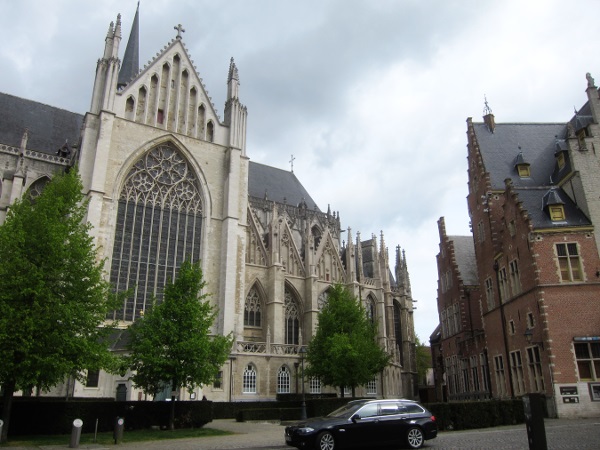
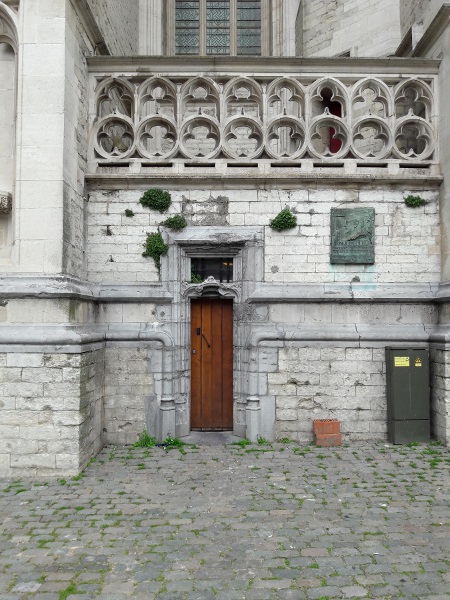
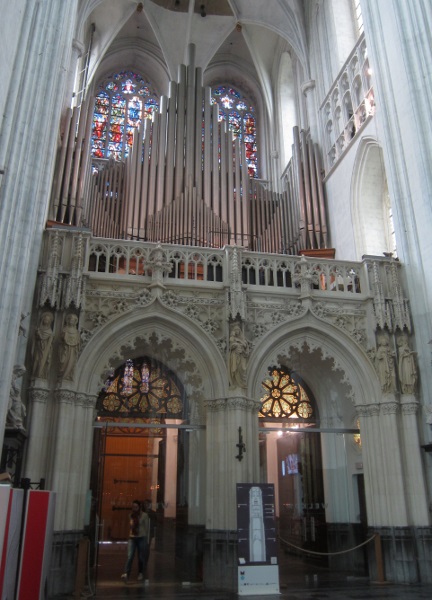
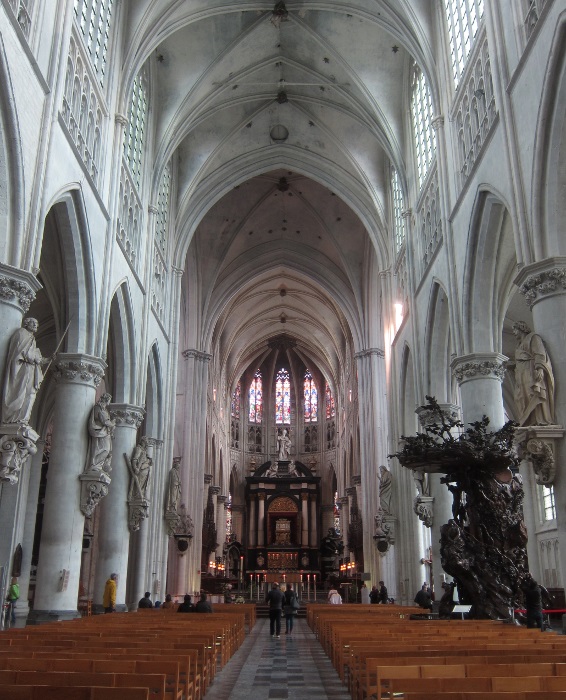
Mechelen (Malines) was the residence of Margaret Of York, the third wife of Charles The Bold (buried in Bruges). Her crown now resides in Aachen (above). Like many small Belgian cities, Mechelen is completely dominated by its cathedral.
 |
||
 |
 |
 |
 |
 |
 |
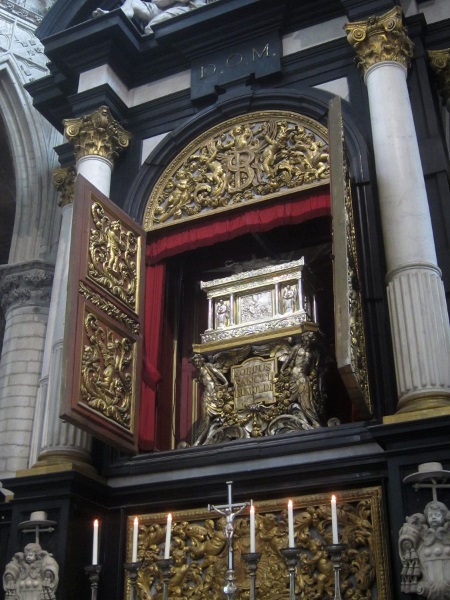
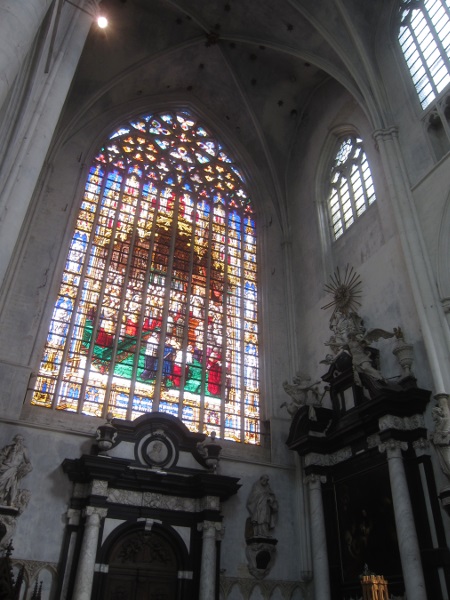
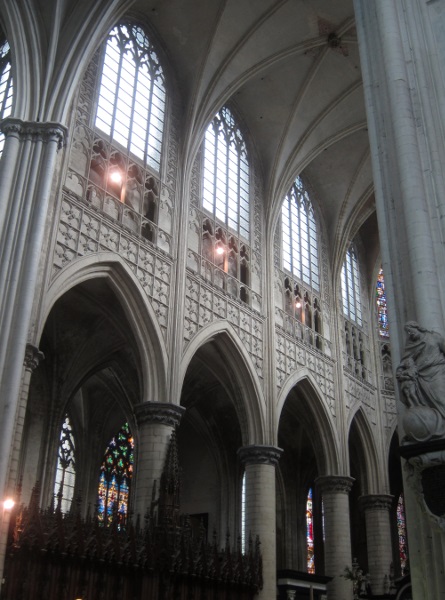
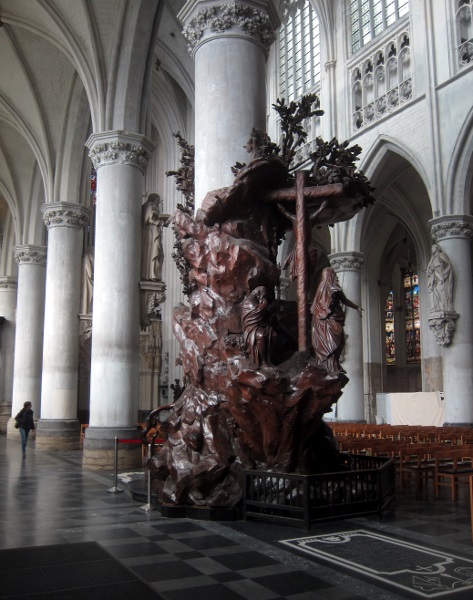
| The incomplete tower of Mechelen Cathedral was designed by one of the Keldermans and called the "eighth wonder of the world" by Vauban. Had it been completed as designed, it would have been 40% higher, making it the tallest church tower in the world (notwithstanding competition from Leuven). | ||
 |
 |
 |
 |
 |
 |
 |
 |
 |
 |
 |
 |
 |
 |
 |
 |
 |
 |
 |
 |
 |
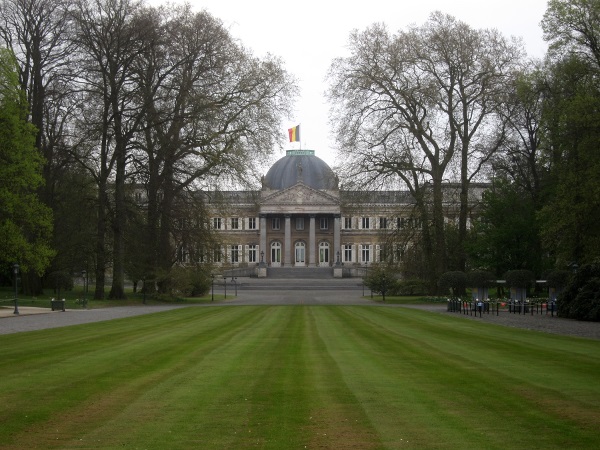
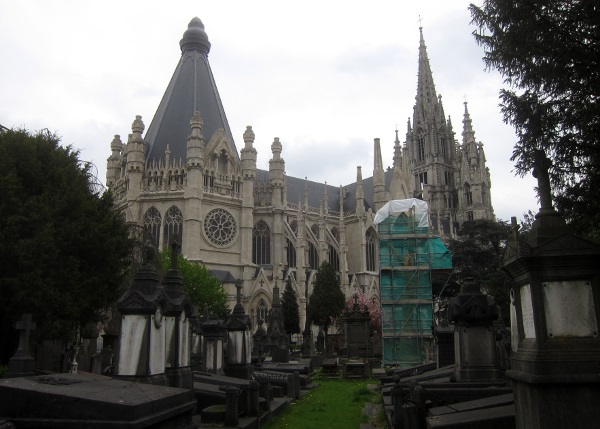
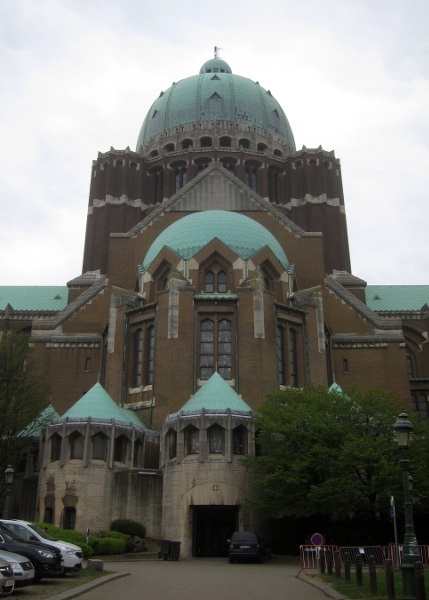
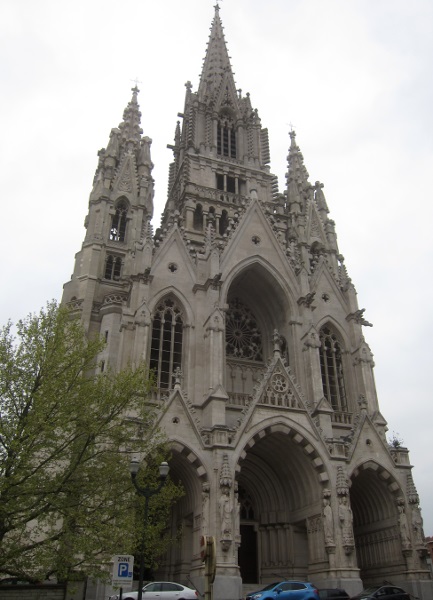
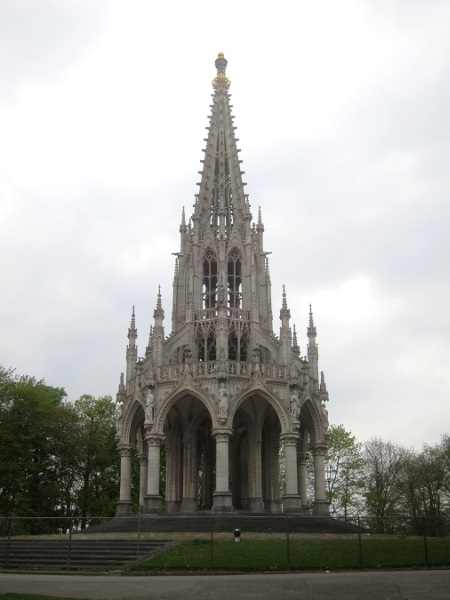
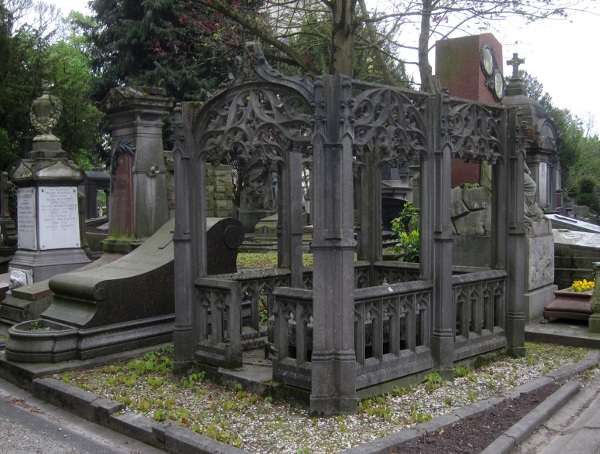
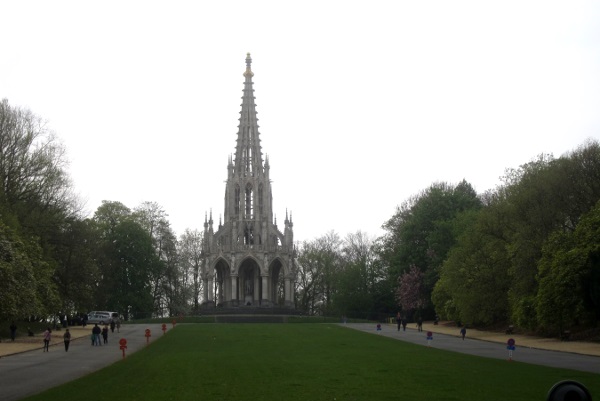
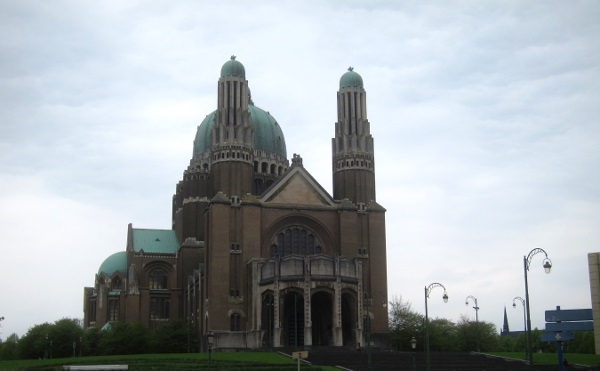
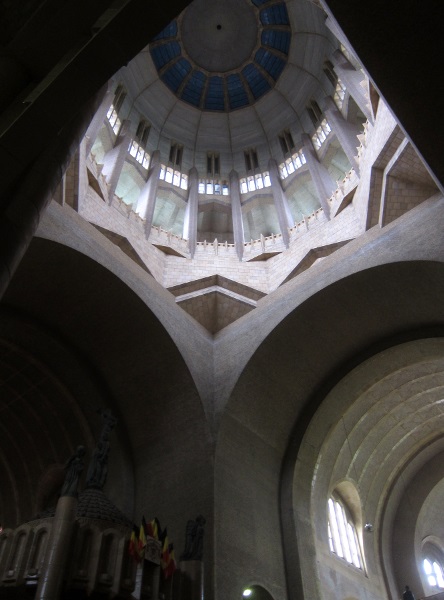
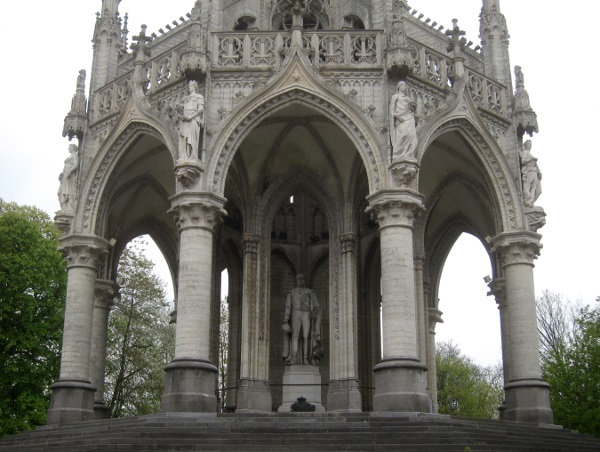
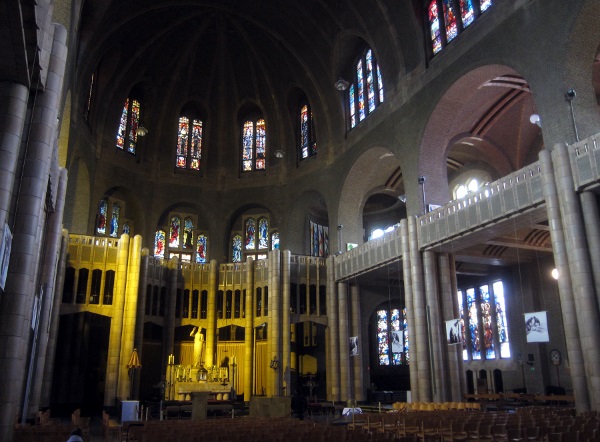
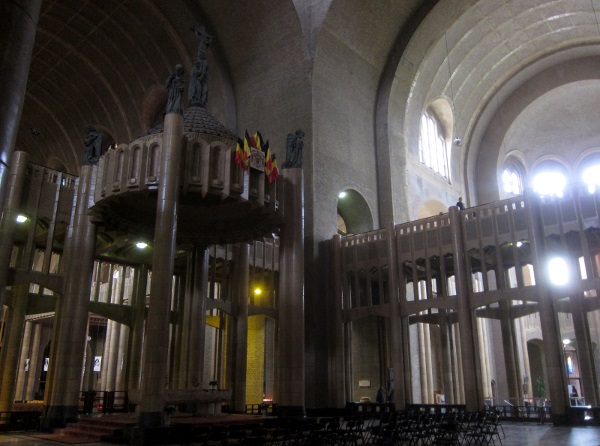
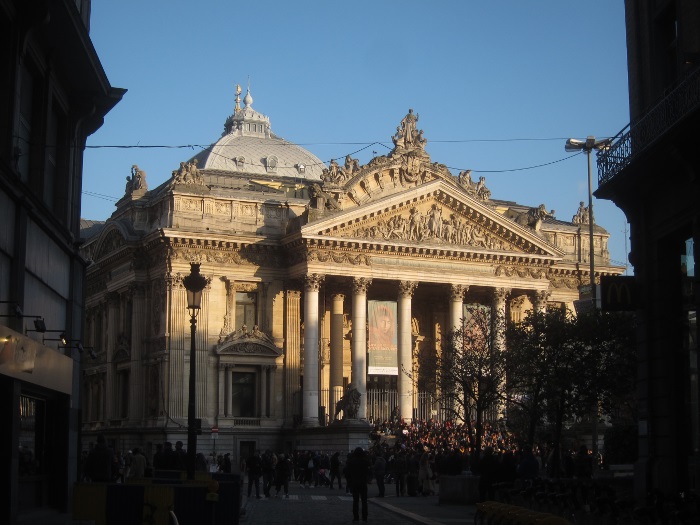
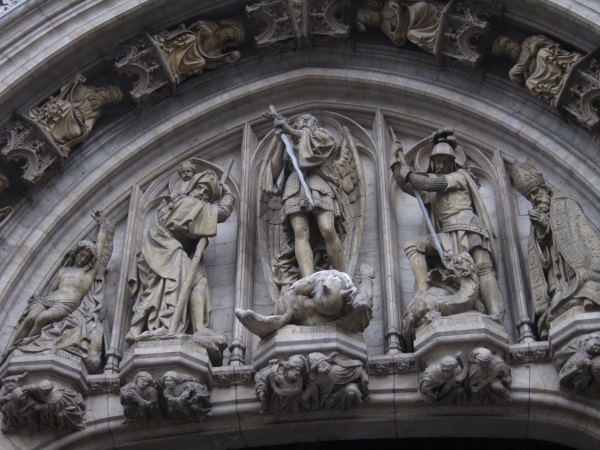
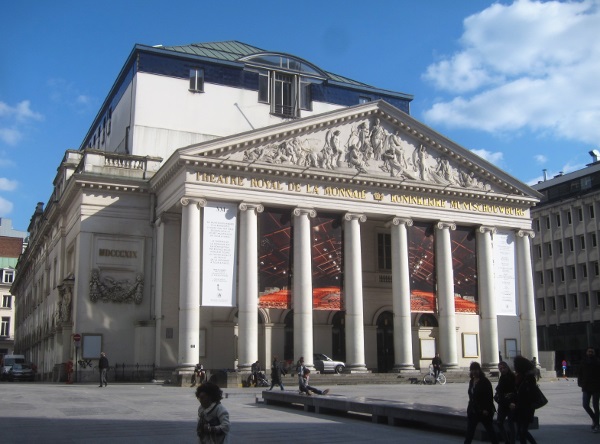
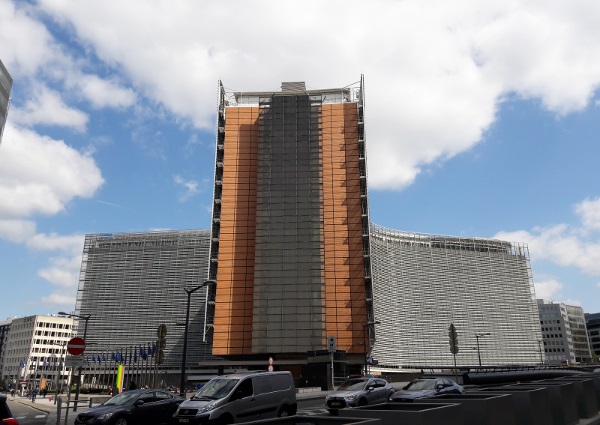
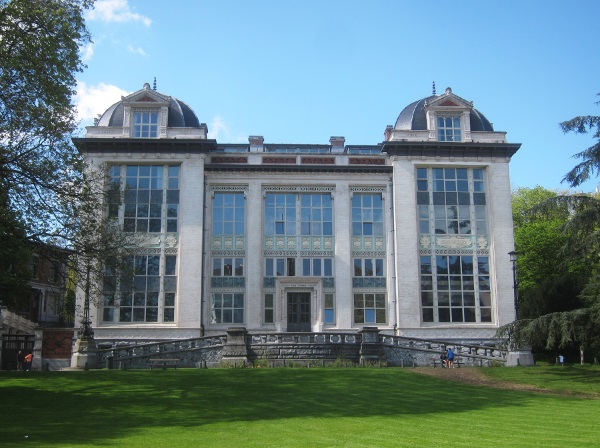
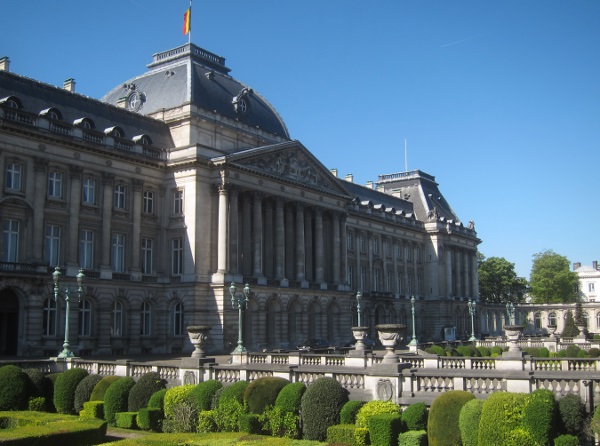
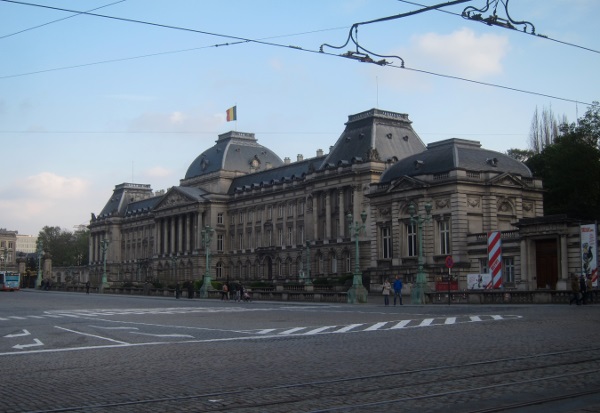
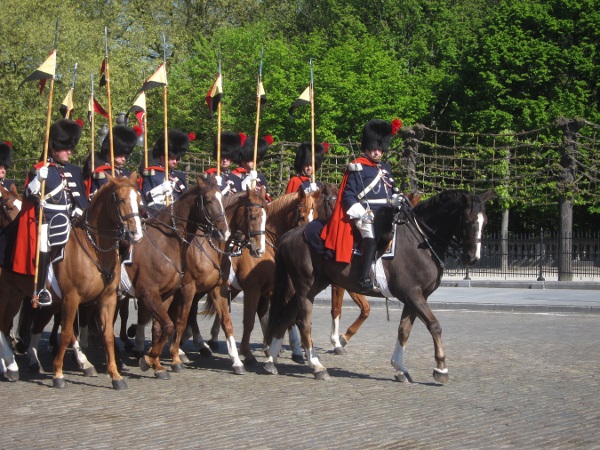
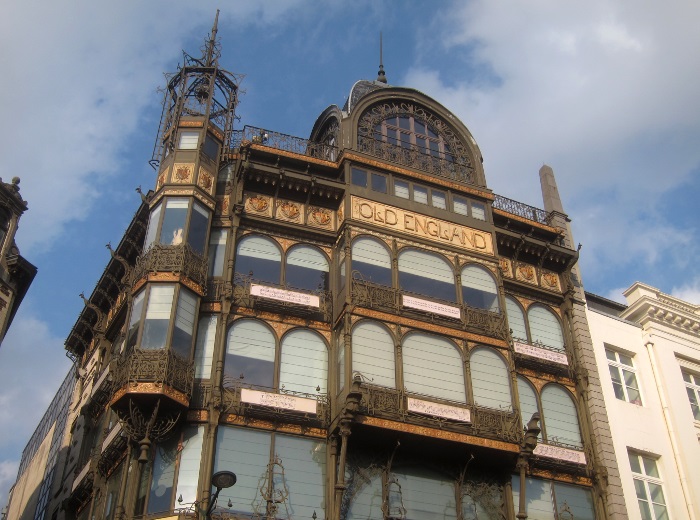
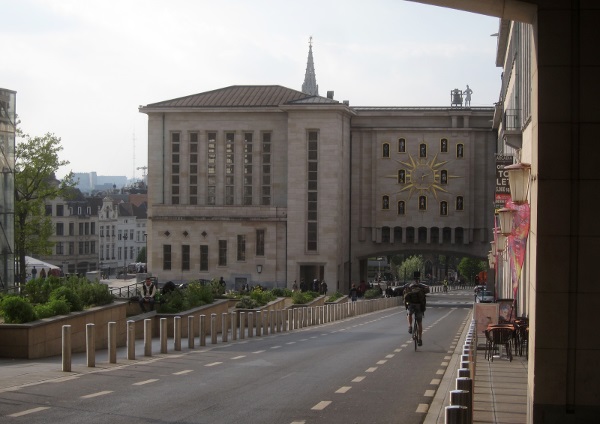
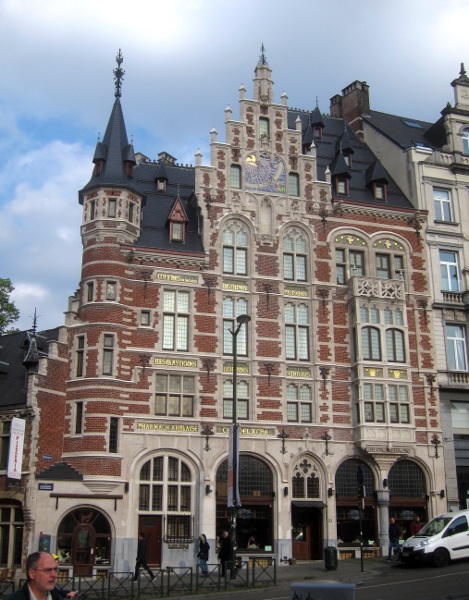
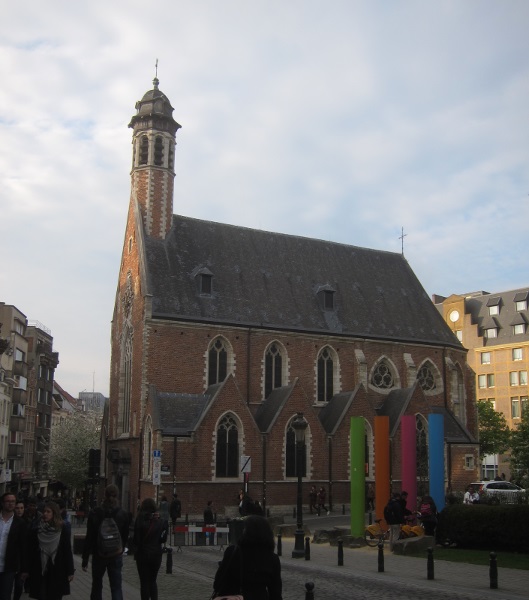
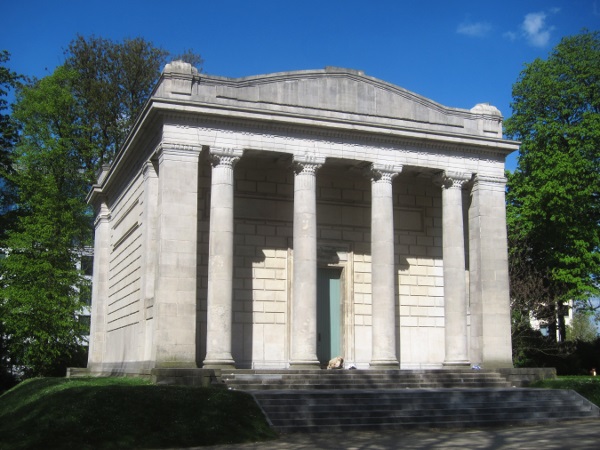
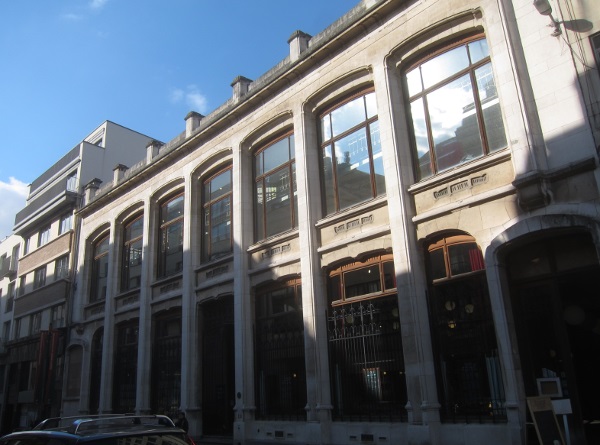
Brussels was my base for this trip (see previous visits).
 |
 |
 |
 |
 |
 |
 |
 |
 |
 |
 |
 |
 |
 |
 |
 |
 |
 |
 |
 |
 |
 |
 |
 |
 |
 |
 |
 |
 |
 |
 |
 |
 |
 |
 |
 |
 |
 |
 |
 |
 |
 |
 |
 |
 |
 |
 |
 |
 |
 |
 |
 |
 |
 |
 |
 |
 |